
DbcultAccessing Vault...
Director's Spotlight
Senior Film Conservator
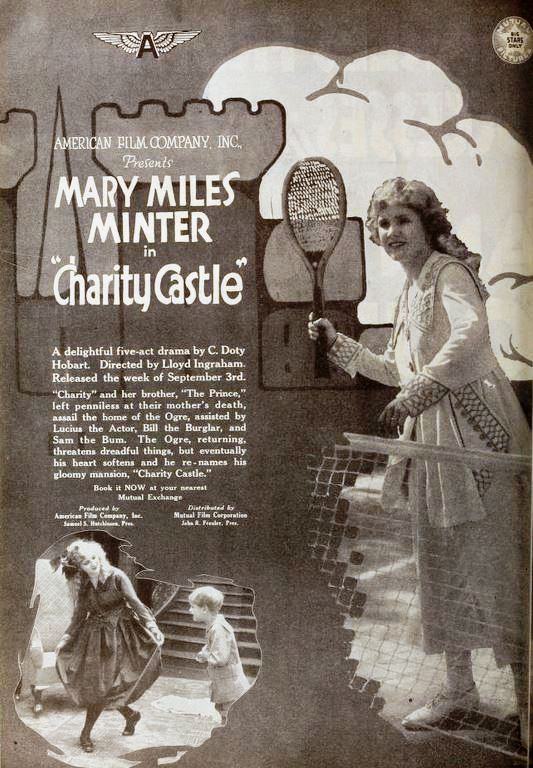
Director's Spotlight: United States
A Deep Dive into the 1917 Vision of Lloyd Ingraham
Under the meticulous guidance of Lloyd Ingraham, Charity Castle became the complex thematic architecture established by Lloyd Ingraham. Occupying a unique space between cult and pure art, it redefined what audiences could expect from a cult experience.
In Charity Castle, Lloyd Ingraham pushes the boundaries of conventional narrative. The film's unique approach to its subject matter has sparked endless debates and interpretations among cinephiles and critics alike.
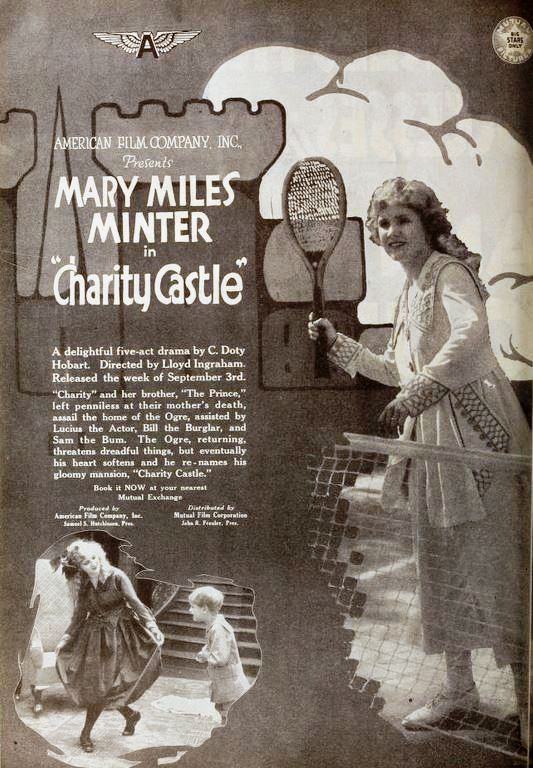
While deeply rooted in United States, Charity Castle has achieved a global reach, influencing directors from various backgrounds. Its ability to translate cult tropes into a universal cinematic language is why it remains a cult staple decades after its 1917 release.
| Cinematography | Deep Focus |
| Soundtrack | Orchestral |
| Editing | Invisible |
| Art Direction | Kitsch |
Visualizing the convergence of Lloyd Ingraham's style and the core cult narrative.
Charity and her young brother are taken in by Merlin Durand, the son of a penurious millionaire, when their mother, a poor cleaning woman, dies. Charity is a strong believer in the world of fairy tales, and calls Merlin "The Prince". Merlin's cheapskate father cuts off his allowance until he gets a job and earns a salary, then leaves home for a "water cure". His servants immediately take a vacation, leaving the house empty, so Charity and Merlin hide there until Merlin can find a job. Charity begins to call the mansion "Charity Castle". They soon wind up involved with a strange cast of characters, including a burglar and an unemployed Shakespearean actor.
Decades after its release, Charity Castle remains a vital piece of the cinematic puzzle. Its influence can be seen in countless modern works, solidifying Lloyd Ingraham's status as a master of the craft in United States and beyond.