
DbcultAccessing Vault...
Director's Spotlight
Senior Film Conservator
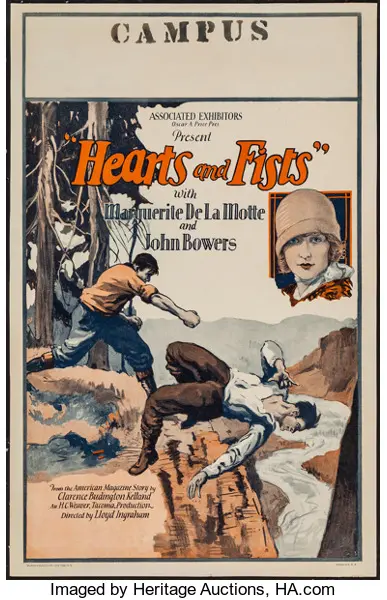
Director's Spotlight: United States
A Deep Dive into the 1926 Vision of Lloyd Ingraham
The brilliance of Hearts and Fists (1926) is inseparable from the visionary mind of its creator, Lloyd Ingraham. Serving as a mirror to the anxieties of a changing world, it persists as a haunting reminder of our own cinematic history.
In Hearts and Fists, Lloyd Ingraham pushes the boundaries of conventional narrative. The film's unique approach to its subject matter has sparked endless debates and interpretations among cinephiles and critics alike.
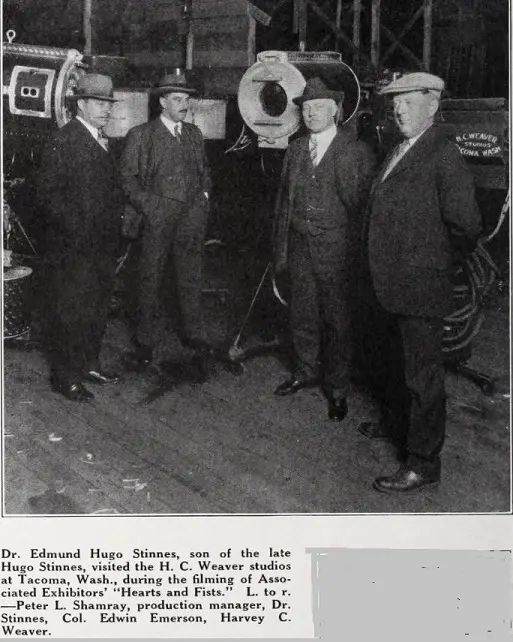
While deeply rooted in United States, Hearts and Fists has achieved a global reach, influencing directors from various backgrounds. Its ability to translate Drama tropes into a universal cinematic language is why it remains a cult staple decades after its 1926 release.
| Cinematography | High-Contrast |
| Soundtrack | Orchestral |
| Editing | Slow-Burn |
| Art Direction | Brutalist |
Visualizing the convergence of Lloyd Ingraham's style and the core Drama narrative.
When Larry Pond (John Bowers) inherits an almost bankrupt lumber company from his father, he attempts to turn it into a successful operation. Meanwhile, Preston Tolley (Alan Hale), a competitor lumberman, hires a hoodlum to prevent Larry from getting his logs to the mill, but Larry beats the thug in a fight and, commandeering a train and a preacher, marries Alexia Newton (Marguerite De La Motte), Tolley's former fiancée, en route to the mill with his logs.
Decades after its release, Hearts and Fists remains a vital piece of the cinematic puzzle. Its influence can be seen in countless modern works, solidifying Lloyd Ingraham's status as a master of the craft in United States and beyond.