
DbcultAccessing Vault...
Director's Spotlight
Senior Film Conservator
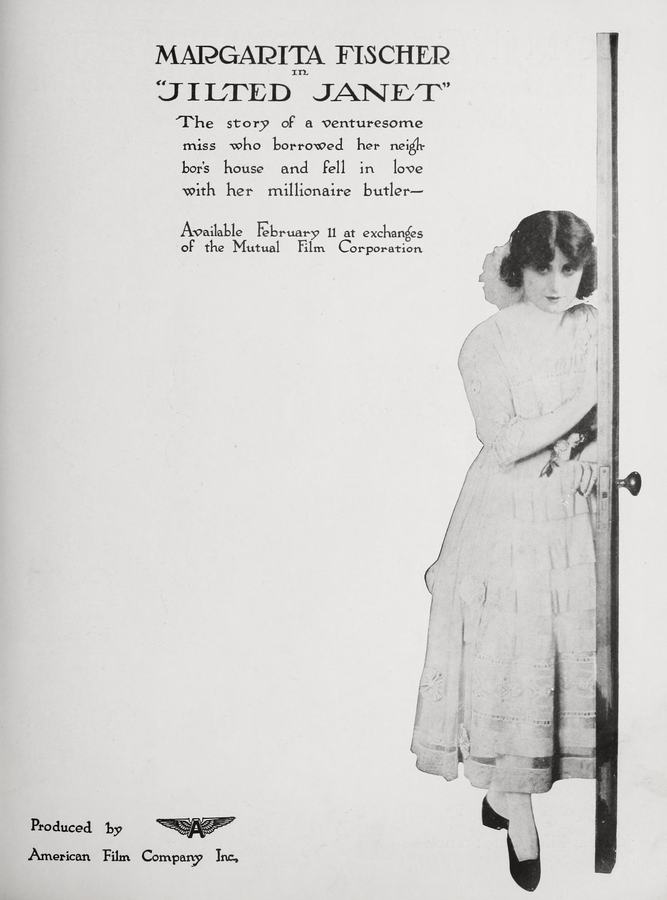
Director's Spotlight: United States
A Deep Dive into the 1918 Vision of Lloyd Ingraham
Few works in United States cinema carry the same weight as Jilted Janet, especially regarding the cultural zeitgeist captured so perfectly by Lloyd Ingraham in 1918. Utilizing a 1918-specific aesthetic that remains timeless, it serves as a blueprint for future generations of cult directors.
In Jilted Janet, Lloyd Ingraham pushes the boundaries of conventional narrative. The film's unique approach to its subject matter has sparked endless debates and interpretations among cinephiles and critics alike.
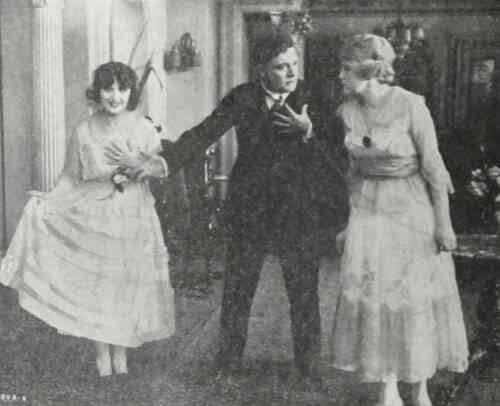
The visual language of Jilted Janet is defined by its use of shadows and framing, a hallmark of Lloyd Ingraham's style. By utilizing a 1918-era palette, the film creates an immersive experience that perfectly complements its cult themes.
| Cinematography | Noir-Inspired |
| Soundtrack | Synth-Heavy |
| Editing | Rhythmic |
| Art Direction | Naturalist |
Visualizing the convergence of Lloyd Ingraham's style and the core cult narrative.
Young Janet Barnes is jilted by fiance Ernest Morgan for Suzette Sparks, who comes from a rich family. Angered, Janet sends him a photo of the elaborate and elegant mansion next to her house, implying that is actually her home. Ernest replies that he and his new wife want to stop by for a visit on their honeymoon. Janet finds out that the mansion's owners are out of town and arranges with the estate's caretakers to use the mansion while Ernest and his wife come to town. Her charade comes off so well that Ernest begins to regret leaving Janet and makes a pass for her. To complicate matters, the mansion's real owner unexpectedly returns home early. Complications ensue.
Decades after its release, Jilted Janet remains a vital piece of the cinematic puzzle. Its influence can be seen in countless modern works, solidifying Lloyd Ingraham's status as a master of the craft in United States and beyond.