
DbcultAccessing Vault...
Director's Spotlight
Senior Film Conservator
Director's Spotlight: United States
A Deep Dive into the 1916 Vision of Lloyd Ingraham
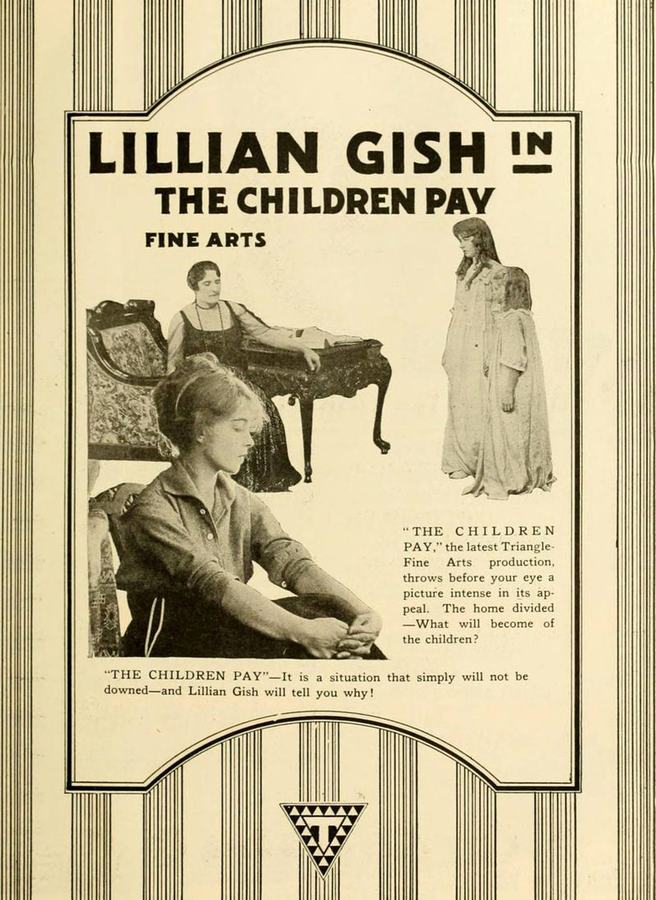
The thematic gravity of The Children Pay (1916) is rooted in the artistic risks taken by Lloyd Ingraham that eventually paid off. Defining a new era of United States artistic expression, it demands to be seen by anyone who cares about the art of film.
In The Children Pay, Lloyd Ingraham pushes the boundaries of conventional narrative. The film's unique approach to its subject matter has sparked endless debates and interpretations among cinephiles and critics alike.
To fully appreciate The Children Pay, one must consider the cinematic climate of 1916. During this period, United States was undergoing significant artistic shifts, and Lloyd Ingraham was at the forefront of this cult movement, often challenging established norms.
| Cinematography | Handheld |
| Soundtrack | Experimental |
| Editing | Invisible |
| Art Direction | Kitsch |
Visualizing the convergence of Lloyd Ingraham's style and the core cult narrative.
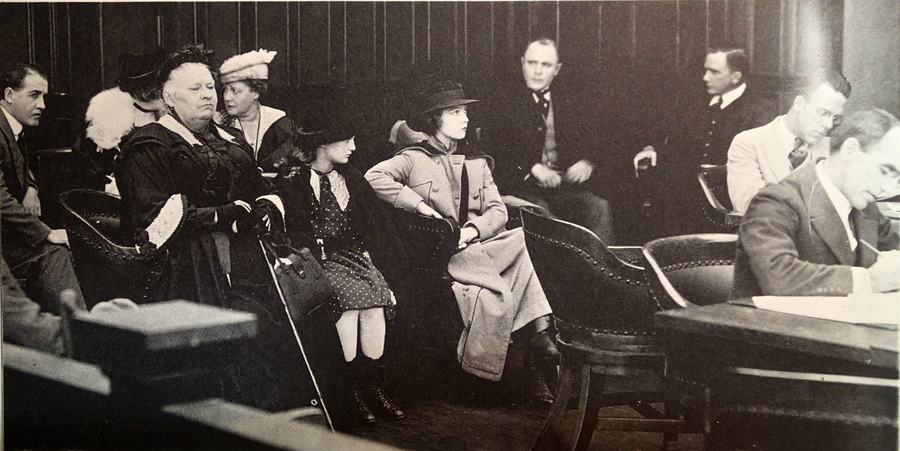
As part of a divorce settlement, Theodore Ainsley gets custody of his older daughter Millicent, and his wife Elinor gets their younger daughter Jean. The two girls, normally inseparable, can't bear to be away from each other and run away together, but are soon caught by the authorities. Another custody hearing ensues, during which the girls' attorney Horace Craig makes an unusual, and somewhat shocking, proposal.
Decades after its release, The Children Pay remains a vital piece of the cinematic puzzle. Its influence can be seen in countless modern works, solidifying Lloyd Ingraham's status as a master of the craft in United States and beyond.