
DbcultAccessing Vault...
Director's Spotlight
Senior Film Conservator
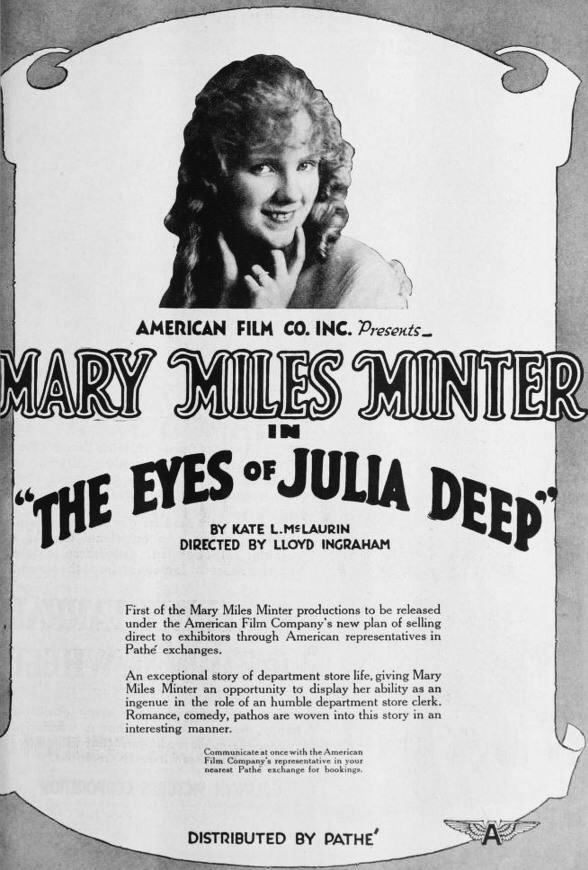
Director's Spotlight: United States
A Deep Dive into the 1918 Vision of Lloyd Ingraham
Few works in United States cinema carry the same weight as The Eyes of Julia Deep, especially regarding the cultural zeitgeist captured so perfectly by Lloyd Ingraham in 1918. Utilizing a 1918-specific aesthetic that remains timeless, it serves as a blueprint for future generations of cult directors.
In The Eyes of Julia Deep, Lloyd Ingraham pushes the boundaries of conventional narrative. The film's unique approach to its subject matter has sparked endless debates and interpretations among cinephiles and critics alike.
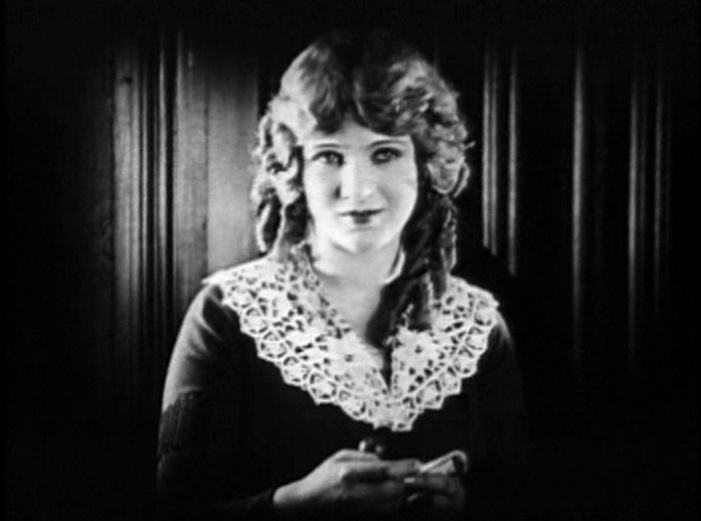
To fully appreciate The Eyes of Julia Deep, one must consider the cinematic climate of 1918. During this period, United States was undergoing significant artistic shifts, and Lloyd Ingraham was at the forefront of this cult movement, often challenging established norms.
| Cinematography | Noir-Inspired |
| Soundtrack | Diegetic |
| Editing | Rhythmic |
| Art Direction | Naturalist |
Visualizing the convergence of Lloyd Ingraham's style and the core cult narrative.
Julia Deep works at the exchange desk of Timothy Black's department store by day, but her evenings are spent in the library of Terry Hartridge, a fellow resident in Mrs. Turner's boardinghouse. Terry has never seen Julia, since he is too busy squandering his inheritance on easy living and showgirl Lottie Driscoll, but the two meet when Terry, having learned that he has spent his last cent, enters the room with a gun. Julia prevents him from shooting himself and they become fast friends. Black gives Terry a job, and the young man adopts a renewed and more sober interest in life. Lottie later reappears but Terry convinces Julia that the actress means nothing to him, and the young couple pool their resources and settle down.
Decades after its release, The Eyes of Julia Deep remains a vital piece of the cinematic puzzle. Its influence can be seen in countless modern works, solidifying Lloyd Ingraham's status as a master of the craft in United States and beyond.