
DbcultAccessing Vault...
Director's Spotlight
Senior Film Conservator
Director's Spotlight: United States
A Deep Dive into the 1924 Vision of Lloyd Ingraham
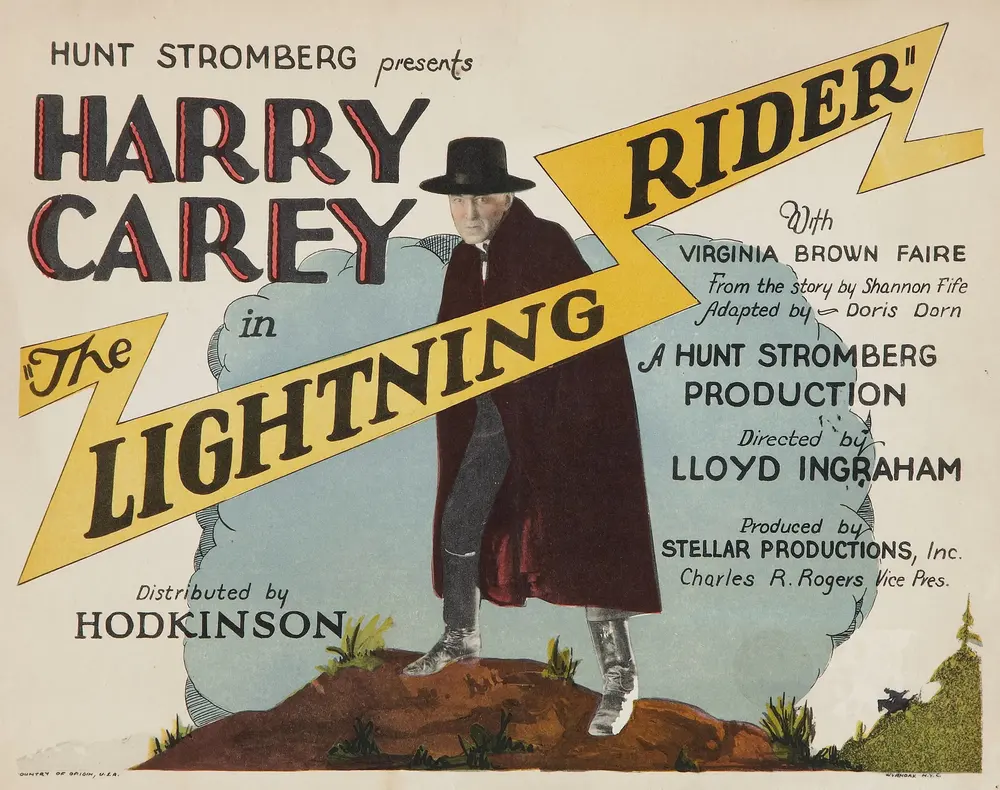
Deciphering the layers of The Lightning Rider (1924) reveals a monumental shift in Crime filmmaking spearheaded by Lloyd Ingraham. With its avant-garde structure and atmospheric tension, offering layers of thematic complexity that demand repeated viewing.
In The Lightning Rider, Lloyd Ingraham pushes the boundaries of conventional narrative. The film's unique approach to its subject matter has sparked endless debates and interpretations among cinephiles and critics alike.
The visual language of The Lightning Rider is defined by its use of shadows and framing, a hallmark of Lloyd Ingraham's style. By utilizing a 1924-era palette, the film creates an immersive experience that perfectly complements its Crime themes.
| Cinematography | Deep Focus |
| Soundtrack | Orchestral |
| Editing | Slow-Burn |
| Art Direction | Brutalist |
Visualizing the convergence of Lloyd Ingraham's style and the core Crime narrative.
A bandit known as The Black Mask is terrorizing the countryside around the California border town of Caliboro. When word spreads that the Mask's gang will hit town, the town priest turns over the church's money to the local sheriff for safekeeping. The gang attacks the town and tries to take the money, but Deputy Phil Morgan stops it. Unfortunately, the sheriff is killed in the process. Morgan disguises himself as the Black Mask in order to find the gang's hideout, but is captured by the local townspeople who think he is the real Black Mask. Complications ensue.
Decades after its release, The Lightning Rider remains a vital piece of the cinematic puzzle. Its influence can be seen in countless modern works, solidifying Lloyd Ingraham's status as a master of the craft in United States and beyond.