
DbcultAccessing Vault...
Director's Spotlight
Senior Film Conservator
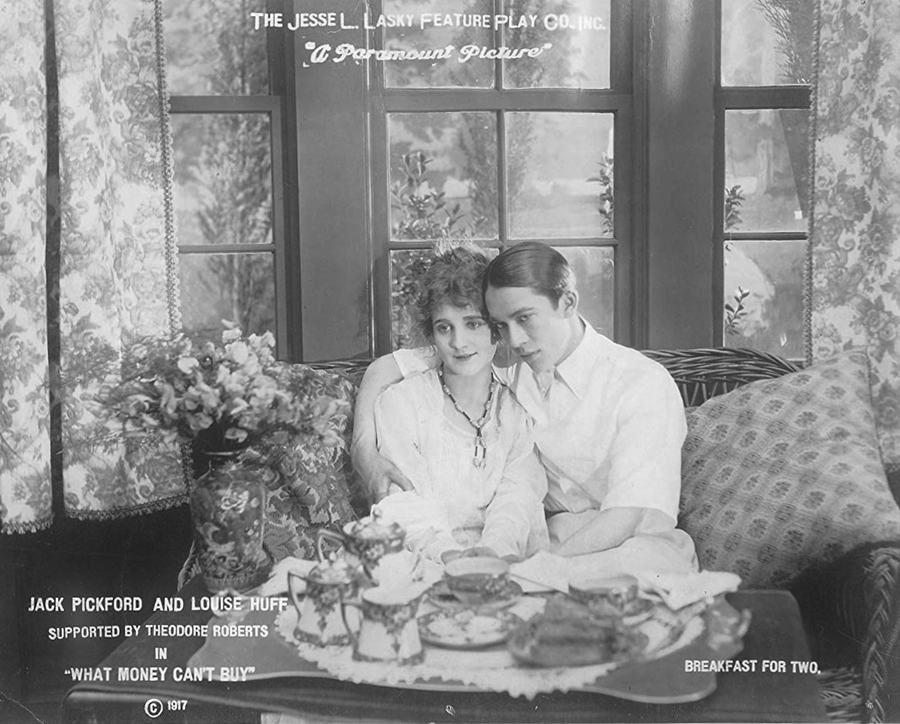
Director's Spotlight: United States
A Deep Dive into the 1917 Vision of Lou Tellegen
Exploring the cult underpinnings of What Money Can't Buy leads us to the uncompromising vision of Lou Tellegen that defines this cult masterpiece. Melding the raw energy of United States with a global cult appeal, it echoes the profound changes occurring in United States during that era.
In What Money Can't Buy, Lou Tellegen pushes the boundaries of conventional narrative. The film's unique approach to its subject matter has sparked endless debates and interpretations among cinephiles and critics alike.
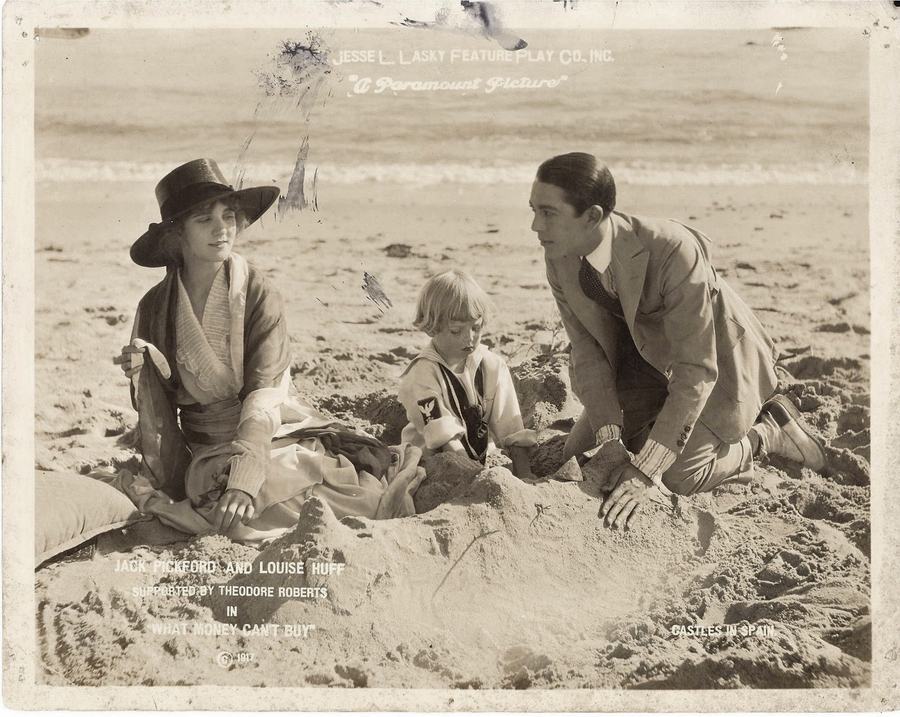
The visual language of What Money Can't Buy is defined by its use of shadows and framing, a hallmark of Lou Tellegen's style. By utilizing a 1917-era palette, the film creates an immersive experience that perfectly complements its cult themes.
| Cinematography | Static |
| Soundtrack | Orchestral |
| Editing | Slow-Burn |
| Art Direction | Brutalist |
Visualizing the convergence of Lou Tellegen's style and the core cult narrative.
Wealthy American financier Madison Hale is bidding against Govrian Texler, the financial advisor to the King of Maritizia for the concession to run a transcontinental railway through the country. When Hale's son Dick completes his college education, he decides to visit Maritizia, the birthplace of his great-grandfather. There he meets Princess Irenia and they fall in love, arousing the jealousy of Ferdinand Vaslof, Texler's nephew, who is also in love with the princess. Ferdinand has Dick imprisoned on false charges, and when Hale, Sr. arrives to look after his business affairs, the princess proposes that he kidnap her and her brother and hold them as willing hostages for Dick's safety. Hale then enters the Council Chamber, secures the loan with which Texler had held the king in his power, and forces him to sign an order for Dick's release. After all the prisoners are released, the nobility of Dick's great-grandfather is established and he and the Princess receive their fathers' blessings.
Decades after its release, What Money Can't Buy remains a vital piece of the cinematic puzzle. Its influence can be seen in countless modern works, solidifying Lou Tellegen's status as a master of the craft in United States and beyond.