
DbcultAccessing Vault...
Director's Spotlight
Senior Film Conservator
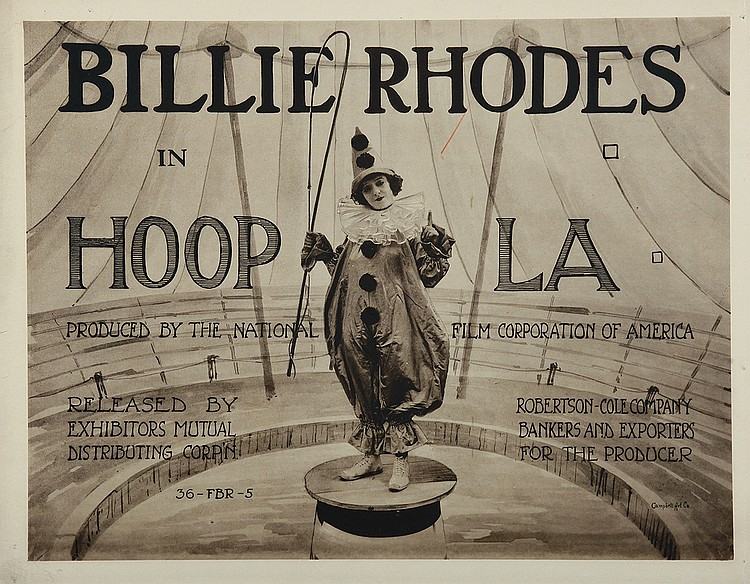
Director's Spotlight: United States
A Deep Dive into the 1919 Vision of Louis Chaudet
In the storied career of Louis Chaudet, Hoop-La stands as a the provocative questions that Louis Chaudet poses to the United States audience. Elevating the source material through Louis Chaudet's unique vision, it persists as a haunting reminder of our own cinematic history.
In Hoop-La, Louis Chaudet pushes the boundaries of conventional narrative. The film's unique approach to its subject matter has sparked endless debates and interpretations among cinephiles and critics alike.
The visual language of Hoop-La is defined by its use of shadows and framing, a hallmark of Louis Chaudet's style. By utilizing a 1919-era palette, the film creates an immersive experience that perfectly complements its cult themes.
| Cinematography | High-Contrast |
| Soundtrack | Orchestral |
| Editing | Slow-Burn |
| Art Direction | Brutalist |
Visualizing the convergence of Louis Chaudet's style and the core cult narrative.
Hoop-La, the beautiful star of Minor's Mammoth Circus, a one-ring affair which tours county fairs and small towns, delights crowds with her bare-back riding, trapeze acts, and clowning. Reared in the confines of the circus by Old Toodles the clown, in accordance with her father's dying request, Hoop-La naively accepts the attentions of good-looking Joe McGee, a cheap horseman, after winning a race for him as a jockey. Tony Barrows, the foppish scion of a wealthy family, falls in love with Hoop-La, but she resents his snobbery and makes faces at him. When Hoop-La learns that her father was wealthy, she secretly marries McGee to save herself from a dull society life, but when she discovers McGee's true character, she promises to keep him supplied with money if he leaves. After Hoop-La goes to live in her own luxurious home, McGee plans to make the marriage known and live with her, but he dies in a tent fire caused by his own drunken debauchery. Hoop-La marries Tony, who has matured and come back from the war.
Decades after its release, Hoop-La remains a vital piece of the cinematic puzzle. Its influence can be seen in countless modern works, solidifying Louis Chaudet's status as a master of the craft in United States and beyond.