
DbcultAccessing Vault...
Director's Spotlight
Senior Film Conservator
Director's Spotlight: United States
A Deep Dive into the 1917 Vision of Louis Chaudet
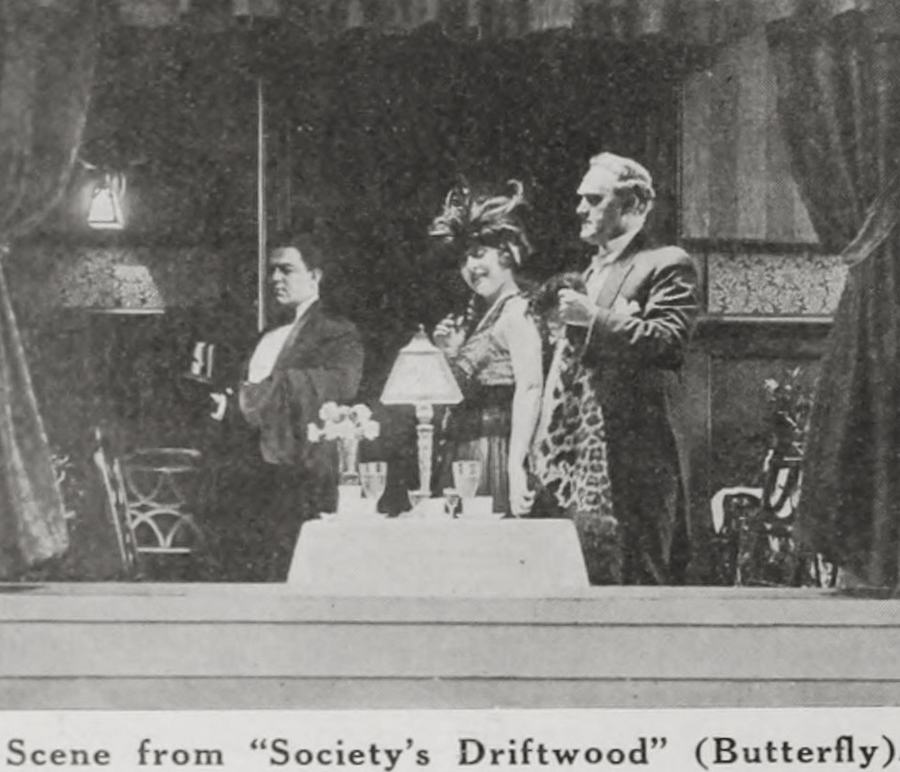
As we revisit the 1917 masterpiece Society's Driftwood, we are struck by the meticulous attention to detail that Louis Chaudet applied to every frame. Anchored by a narrative that is both personal and universal, it bridges the gap between traditional cult and contemporary vision.
In Society's Driftwood, Louis Chaudet pushes the boundaries of conventional narrative. The film's unique approach to its subject matter has sparked endless debates and interpretations among cinephiles and critics alike.
While deeply rooted in United States, Society's Driftwood has achieved a global reach, influencing directors from various backgrounds. Its ability to translate cult tropes into a universal cinematic language is why it remains a cult staple decades after its 1917 release.
| Cinematography | Handheld |
| Soundtrack | Synth-Heavy |
| Editing | Rhythmic |
| Art Direction | Naturalist |
Visualizing the convergence of Louis Chaudet's style and the core cult narrative.
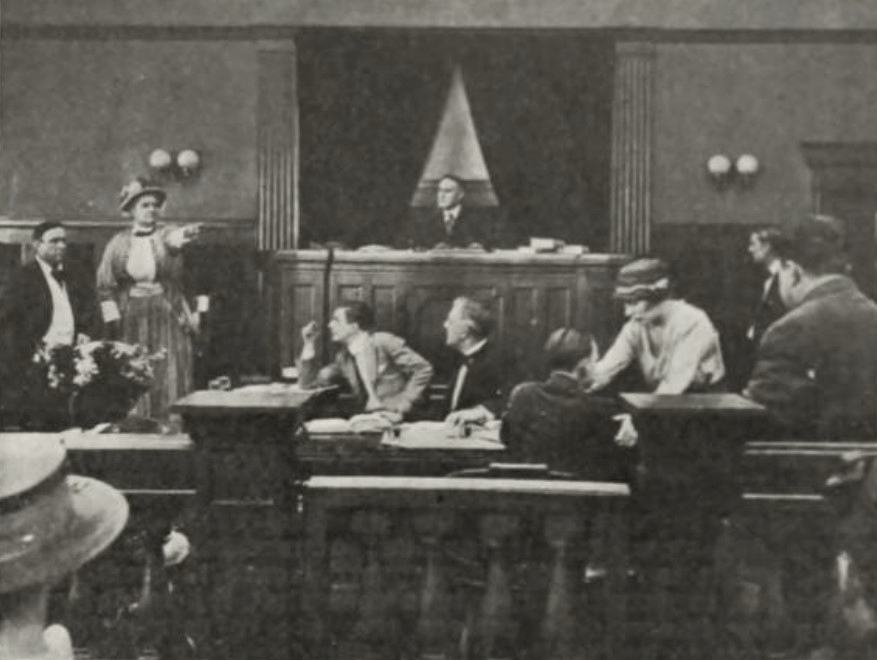
Judge Grant sentences Paul Rogers to jail on circumstantial evidence, Paul's sister Lena swears revenge. A few years later, Judge Grant becomes a corporation attorney for a large firm. In collusion with the owners, Grant embezzles the firm's profits, thus forcing the value of the stock down and creating favorable conditions for a takeover. Lena, on the pretext of making an investment, meets the judge, who falls in love with her. Lena uses his infatuation to discover that the judge himself stole the money. Meanwhile, Lena has fallen in love with Tison Grant, a newspaper reporter and the judge's brother, and after they are married, she informs Tison of his brother's treachery. Tison threatens to give the story to the papers, but before he can, Paul is released from jail, kills the judge, and is wounded in the scuffle. Lena takes the blame for the killing but is freed from suspicion when Paul confesses before he dies.
Decades after its release, Society's Driftwood remains a vital piece of the cinematic puzzle. Its influence can be seen in countless modern works, solidifying Louis Chaudet's status as a master of the craft in United States and beyond.