
DbcultAccessing Vault...
Director's Spotlight
Senior Film Conservator
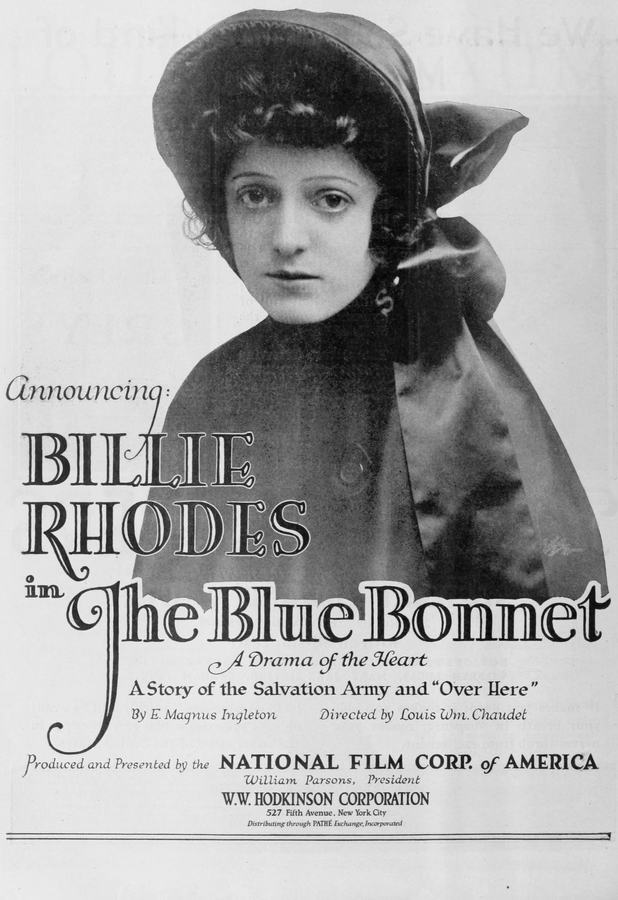
Director's Spotlight: United States
A Deep Dive into the 1919 Vision of Louis Chaudet
The 1919 release of The Blue Bonnet marked a significant moment for the enduring legacy of Louis Chaudet's artistic contribution to the genre. By challenging the status quo of 1919 cinema, it has cemented its place in the global cult cinema archive.
In The Blue Bonnet, Louis Chaudet pushes the boundaries of conventional narrative. The film's unique approach to its subject matter has sparked endless debates and interpretations among cinephiles and critics alike.
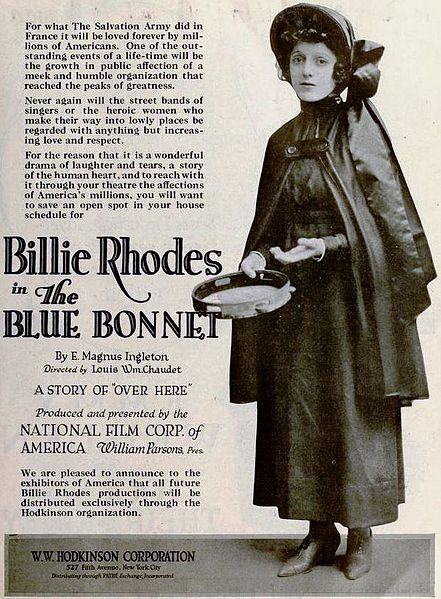
The visual language of The Blue Bonnet is defined by its use of shadows and framing, a hallmark of Louis Chaudet's style. By utilizing a 1919-era palette, the film creates an immersive experience that perfectly complements its cult themes.
| Cinematography | Deep Focus |
| Soundtrack | Synth-Heavy |
| Editing | Disjunctive |
| Art Direction | Baroque |
Visualizing the convergence of Louis Chaudet's style and the core cult narrative.
As an infant, Ruth Drake was stolen from her father by her vengeful mother, and then abandoned. She was adopted and raised by a pawnbroker, and as a young woman joins the Salvation Army in order to help the kinds of people she has seen--and was--growing up. When war breaks out in Europe, she volunteers to go to France, and there meets a young man who has had an affair with a prominent actress. When Ruth and the man return to the US, the actress is outraged that her former boyfriend is now seeing Ruth, and sets up a scheme to frame Ruth for a robbery. However, during the trial certain facts come out that shock everyone.
Decades after its release, The Blue Bonnet remains a vital piece of the cinematic puzzle. Its influence can be seen in countless modern works, solidifying Louis Chaudet's status as a master of the craft in United States and beyond.