
DbcultAccessing Vault...
Director's Spotlight
Senior Film Conservator
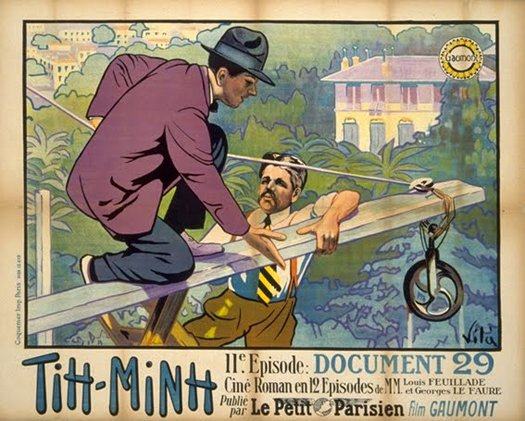
Director's Spotlight: France
A Deep Dive into the 1918 Vision of Louis Feuillade
The enduring fascination with Tih Minh is a testament to the artistic risks taken by Louis Feuillade that eventually paid off. Challenging the viewer to find meaning in the cult shadows, it reminds us of the fragility and beauty of the 1918s.
In Tih Minh, Louis Feuillade pushes the boundaries of conventional narrative. The film's unique approach to its subject matter has sparked endless debates and interpretations among cinephiles and critics alike.
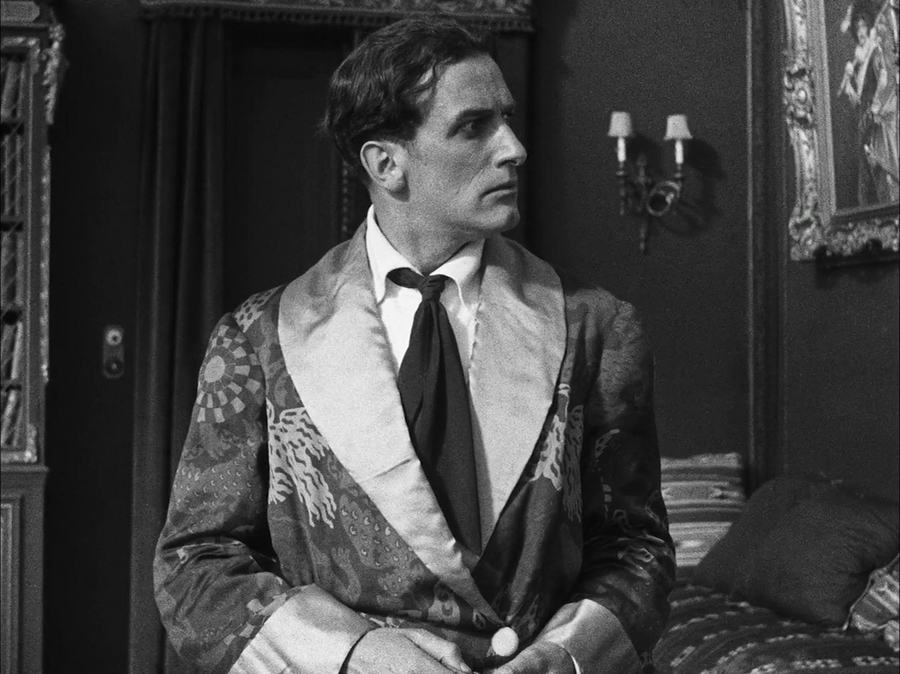
To fully appreciate Tih Minh, one must consider the cinematic climate of 1918. During this period, France was undergoing significant artistic shifts, and Louis Feuillade was at the forefront of this cult movement, often challenging established norms.
| Cinematography | Static |
| Soundtrack | Experimental |
| Editing | Invisible |
| Art Direction | Kitsch |
Visualizing the convergence of Louis Feuillade's style and the core cult narrative.
Jacques d'Athys, a French adventurer, returns to his home in Nice after an expedition to Indochina where he has picked up a Eurasian fiancée and a book that, unbeknownst to him, contains a coded message revealing the whereabouts of both secret treasures and sensitive government intelligence. This makes him the target of foreign spies, including a Marquise of mysterious Latin origin, a Hindu hypnotist and an evil German doctor, who will stop at nothing to obtain the book.
Decades after its release, Tih Minh remains a vital piece of the cinematic puzzle. Its influence can be seen in countless modern works, solidifying Louis Feuillade's status as a master of the craft in France and beyond.