
DbcultAccessing Vault...
Director's Spotlight
Senior Film Conservator
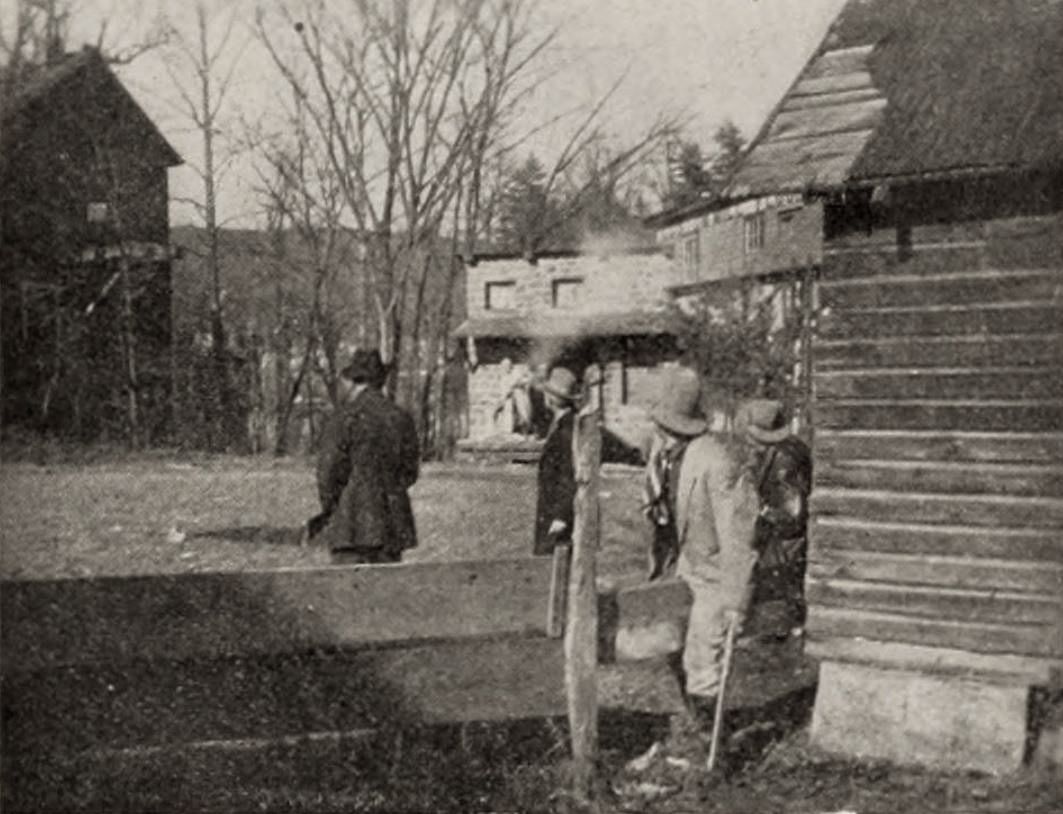
Director's Spotlight: United States
A Deep Dive into the 1916 Vision of Louis J. Gasnier
Exploring the cult underpinnings of Hazel Kirke leads us to the stylistic boundaries pushed by Louis J. Gasnier during the production. Through a lens of existential fatalism and cult tropes, it continues to spark endless debates among critics and cinephiles alike.
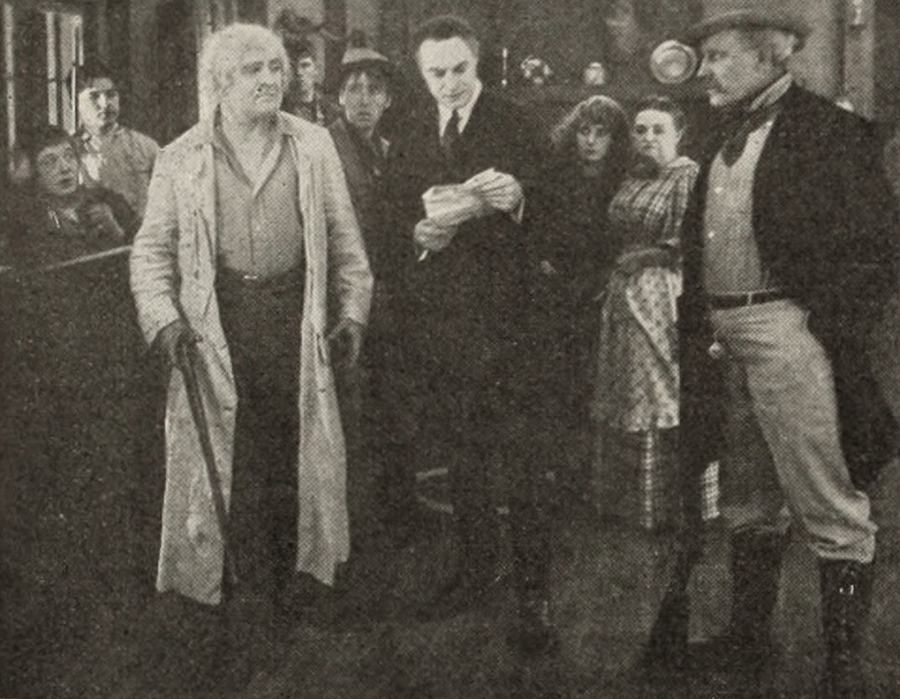
In Hazel Kirke, Louis J. Gasnier pushes the boundaries of conventional narrative. The film's unique approach to its subject matter has sparked endless debates and interpretations among cinephiles and critics alike.
| Cinematography | Static |
| Soundtrack | Diegetic |
| Editing | Rhythmic |
| Art Direction | Naturalist |
Visualizing the convergence of Louis J. Gasnier's style and the core cult narrative.
Hazel Kirke, daughter of Dunstan Kirke, a miller, is sent off to be educated by Squire Rooney, who has promised to marry her upon her return. All this in repayment for a small sum which Rodney advanced to save the old mill from the auction block. Five years later, near the end of her school years, she meets Arthur Carringford. At home again, she renews her promise to Rodney. Some days later, Arthur on a hunting trip, meets with an accident near the mill, and is confined there for some weeks, during which time a new friendship springs up between the two. Some time later, when Rodney and Dunstan see Hazel and Arthur embracing, Dunstan denounces them and sends them away. Arthur's mother, to save the family fortune, wishes Arthur to marry Maude, her ward, who is loved by Pittacus Greene, and whose fortune was squandered by the elder Carringford before his death. She sends Pittacus and Arthur's valet to dissuade Arthur from marrying Hazel, and they arrive as the two are coming away. At a nearby village, the valet, thinking the ceremony is to be a fake, goes to a saloon for a "minister." He then notifies Mrs. Carringford by letter. A few weeks later that lady arrives during Arthur's absence and tells Hazel that she has been duped. The girl, distracted, runs away and upon Arthur's return the panic-stricken mother tells of the plot and passes away from a heart attack. After a day or two's search for Hazel, Arthur rides toward home, stopping at a small church. The parson proves to be the one who married them and he tells of his good work in the slums of nearby towns disguised as a "tough." The two ride off to the mill hoping to meet Hazel. Unknown to the young people, Dunstan's terrible denunciation of them has left him sightless and it is before Hazel's blinded father that the two are reunited with parental blessing, only after Arthur has rescued Hazel from the icy millpond waters into which she had thrown herself.
Decades after its release, Hazel Kirke remains a vital piece of the cinematic puzzle. Its influence can be seen in countless modern works, solidifying Louis J. Gasnier's status as a master of the craft in United States and beyond.