
DbcultAccessing Vault...
Director's Spotlight
Senior Film Conservator
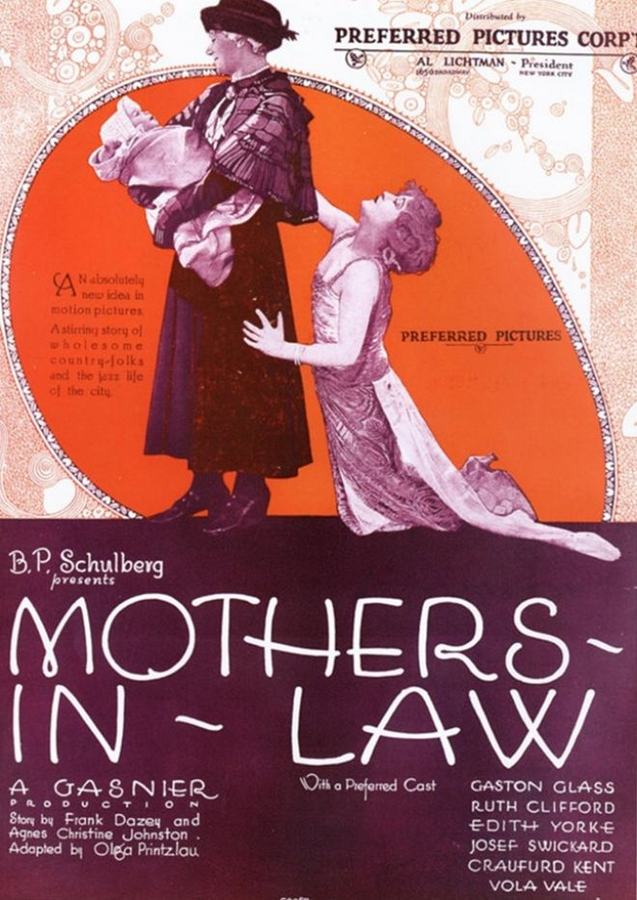
Director's Spotlight: United States
A Deep Dive into the 1923 Vision of Louis J. Gasnier
Exploring the Drama underpinnings of Mothers-in-Law leads us to the uncompromising vision of Louis J. Gasnier that defines this Drama masterpiece. Melding the raw energy of United States with a global Drama appeal, it echoes the profound changes occurring in United States during that era.
In Mothers-in-Law, Louis J. Gasnier pushes the boundaries of conventional narrative. The film's unique approach to its subject matter has sparked endless debates and interpretations among cinephiles and critics alike.
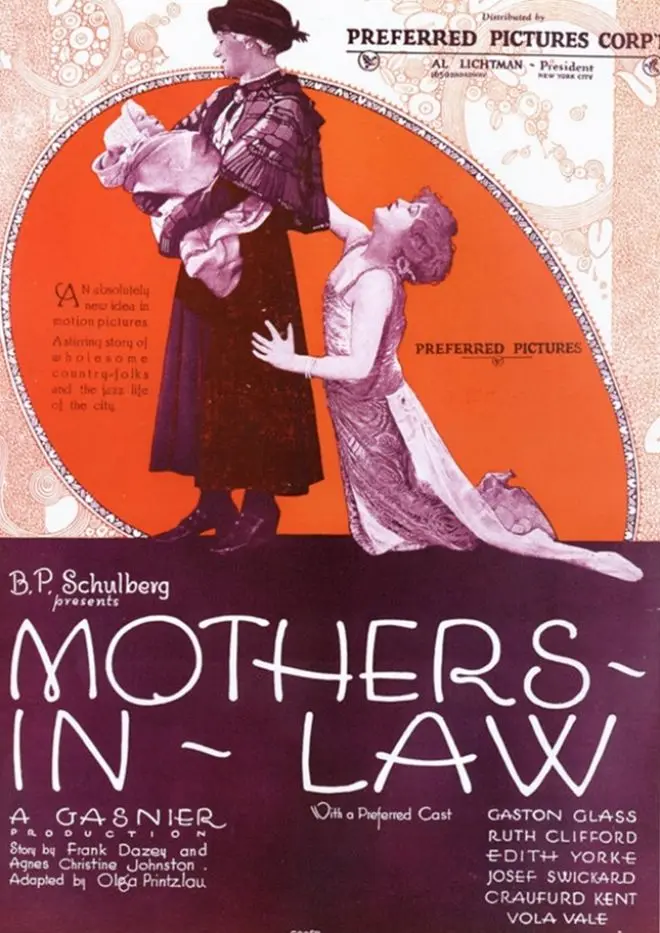
While deeply rooted in United States, Mothers-in-Law has achieved a global reach, influencing directors from various backgrounds. Its ability to translate Drama tropes into a universal cinematic language is why it remains a cult staple decades after its 1923 release.
| Cinematography | Static |
| Soundtrack | Synth-Heavy |
| Editing | Rhythmic |
| Art Direction | Naturalist |
Visualizing the convergence of Louis J. Gasnier's style and the core Drama narrative.
Farmer's son David Wingate marries city girl Vianna Courtleigh over his parents' objections. Her father gives him a job with the company; a baby is born to the young couple; but their happiness is marred by David's desire for a quiet domestic life in opposition to Vianna's love of excitement. David's mother comes to live with them when her husband dies. She observes their unhappiness and, after deciding that Vianna is at fault, determines to teach her a lesson. She kidnaps the baby, threatening to keep him until Vianna reforms. Eventually Vianna sees the folly of her ways and seeks forgiveness from David.
Decades after its release, Mothers-in-Law remains a vital piece of the cinematic puzzle. Its influence can be seen in countless modern works, solidifying Louis J. Gasnier's status as a master of the craft in United States and beyond.