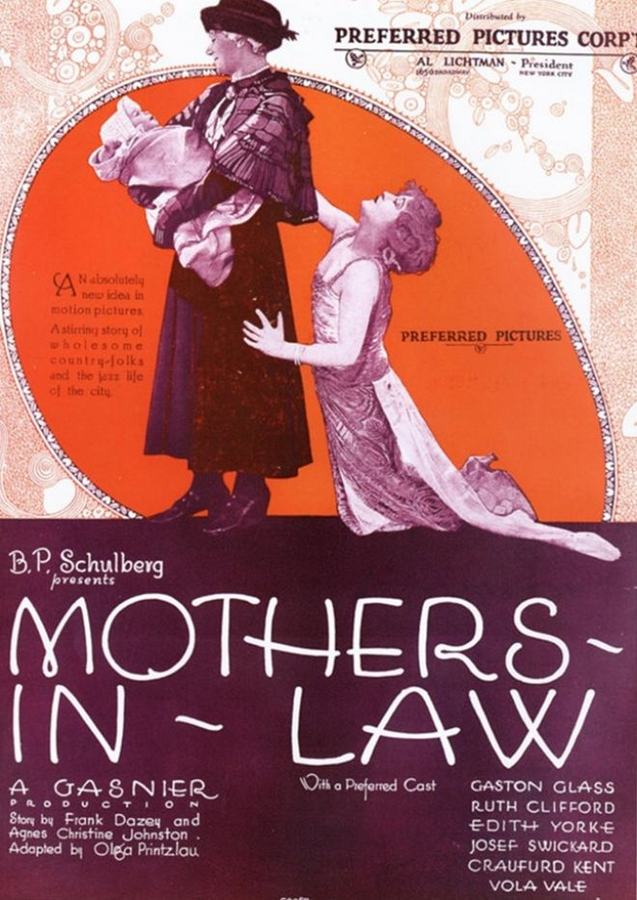
Farmer's son David Wingate marries city girl Vianna Courtleigh over his parents' objections. Her father gives him a job with the company; a baby is born to the young couple; but their happiness is marred by David's desire for a quiet domestic life in opposition to Vianna's love of excitement.
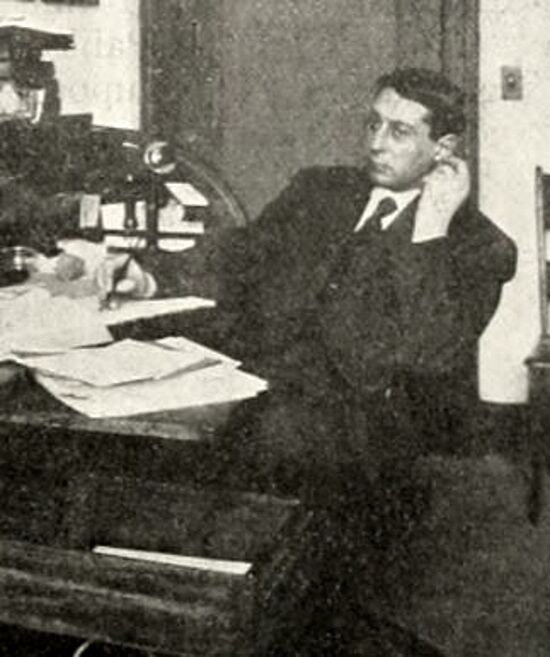
Stepping back into the cinematic annals of 1923, one encounters Mothers-in-Law, a silent film that, despite its somewhat prosaic title, delves with surprising acuity into the perennial tensions that can ripple through a marriage, particularly when external forces—and internal desires—pull at its very fabr...
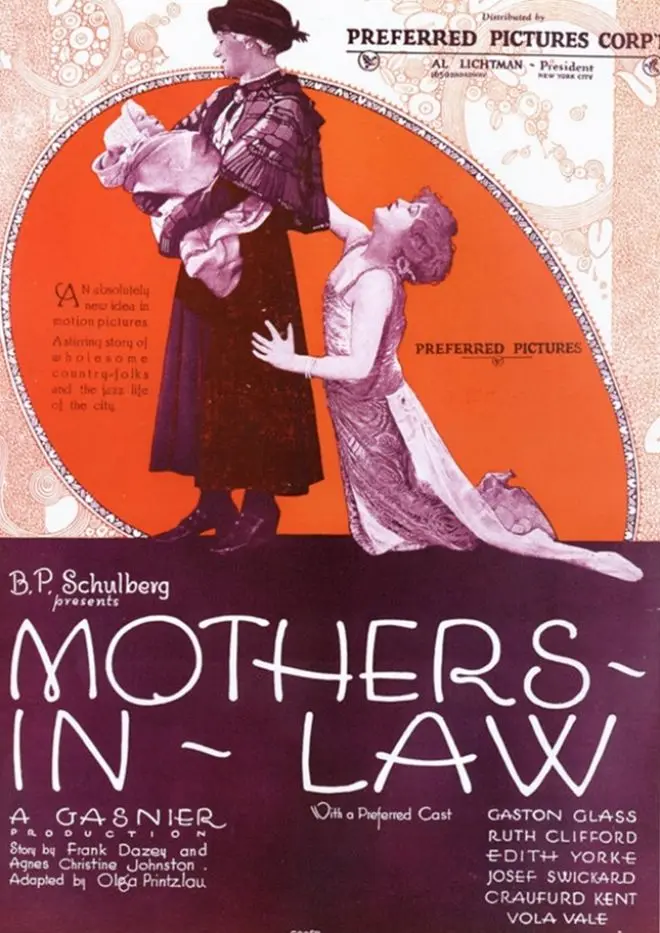
production_art
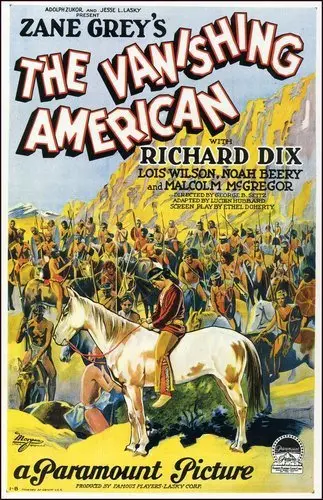
Comparing the cinematic DNA and archive impact of two defining moments in cult history.
Louis J. Gasnier
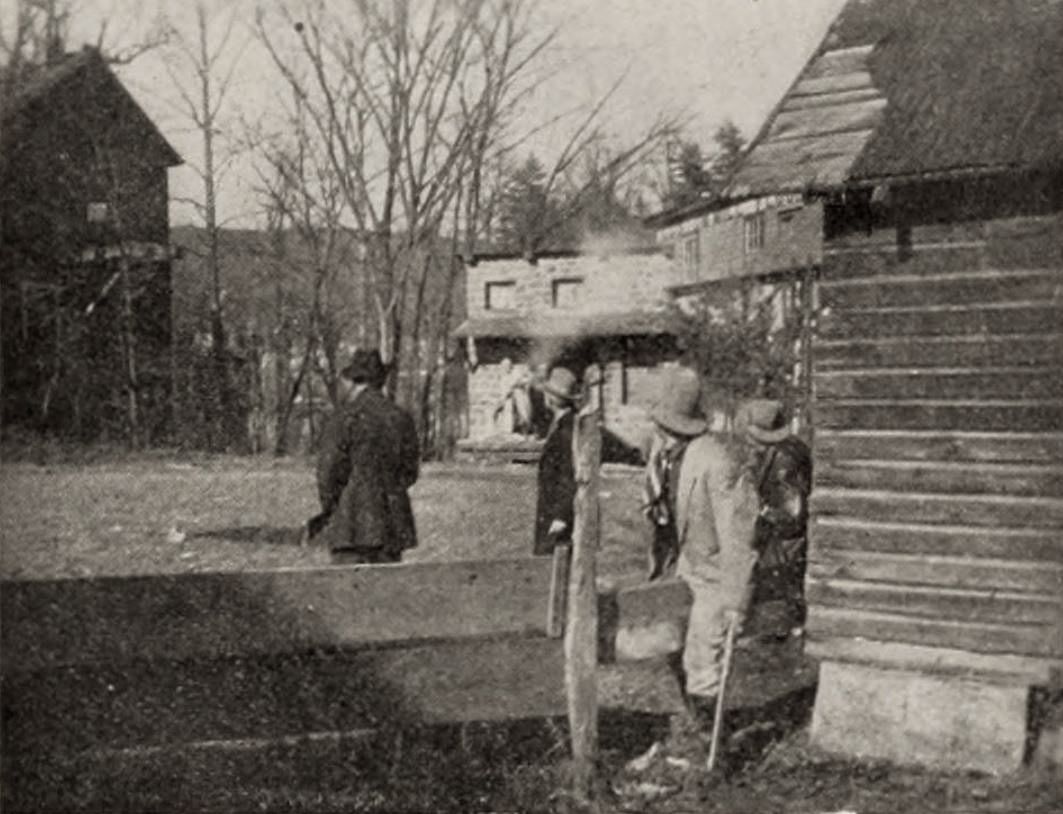
Louis J. Gasnier
Community
Log in to comment.
" Stepping back into the cinematic annals of 1923, one encounters Mothers-in-Law, a silent film that, despite its somewhat prosaic title, delves with surprising acuity into the perennial tensions that can ripple through a marriage, particularly when external forces—and internal desires—pull at its very fabric. This is not merely a quaint relic of a bygone era; it's a narrative that, through its stark portrayal of character and conflict, speaks to enduring human predicaments. The film..."
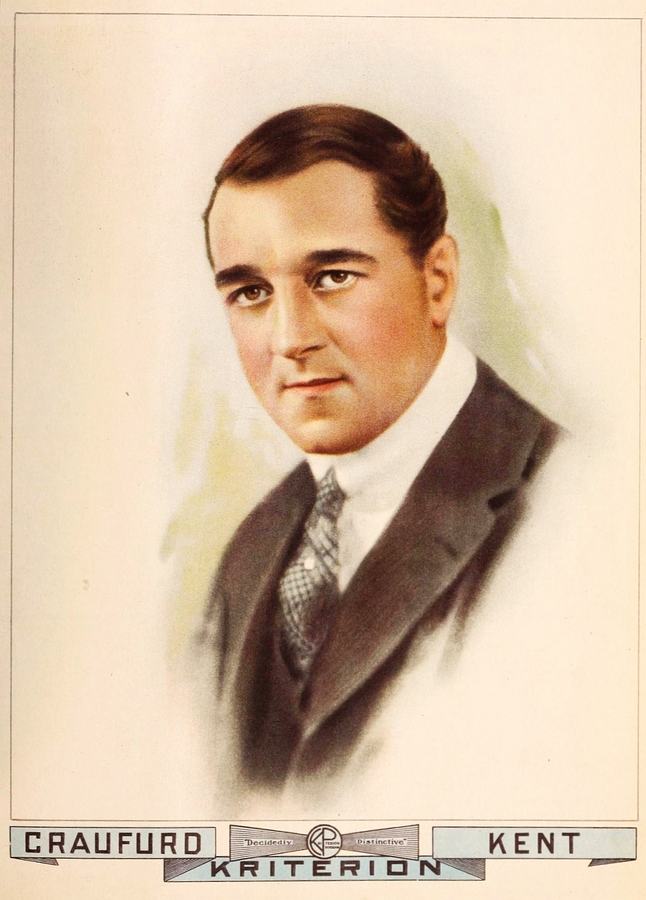
Crauford Kent
Olga Printzlau, Frank Mitchell Dazey, Agnes Christine Johnston
United States
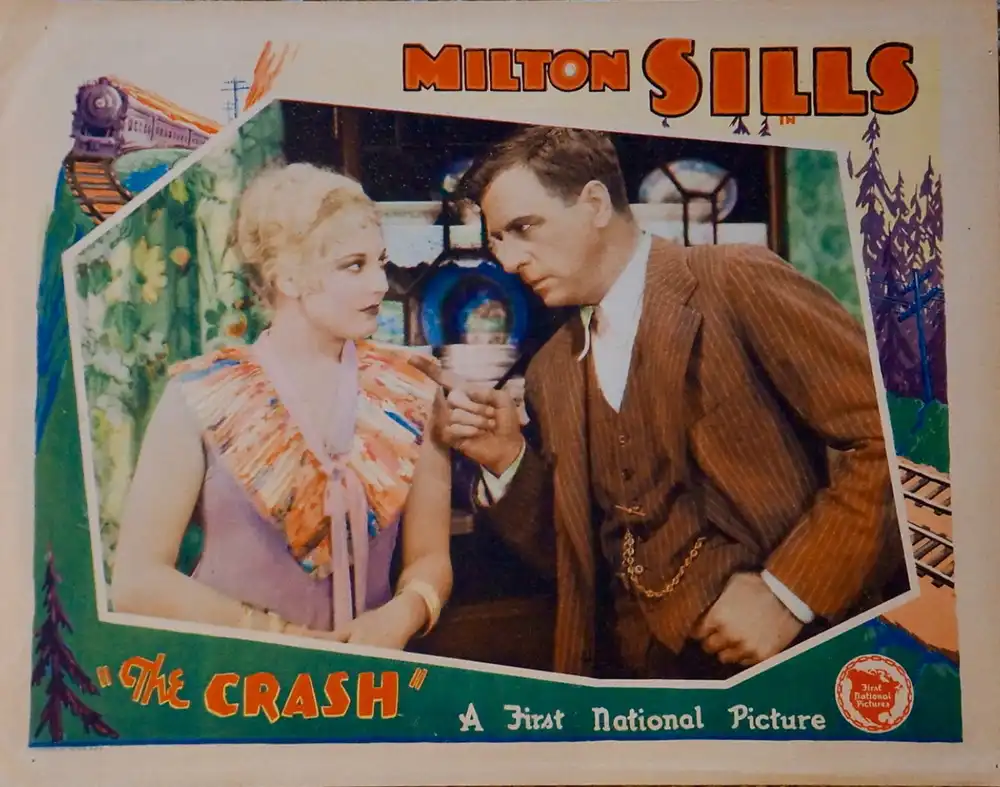
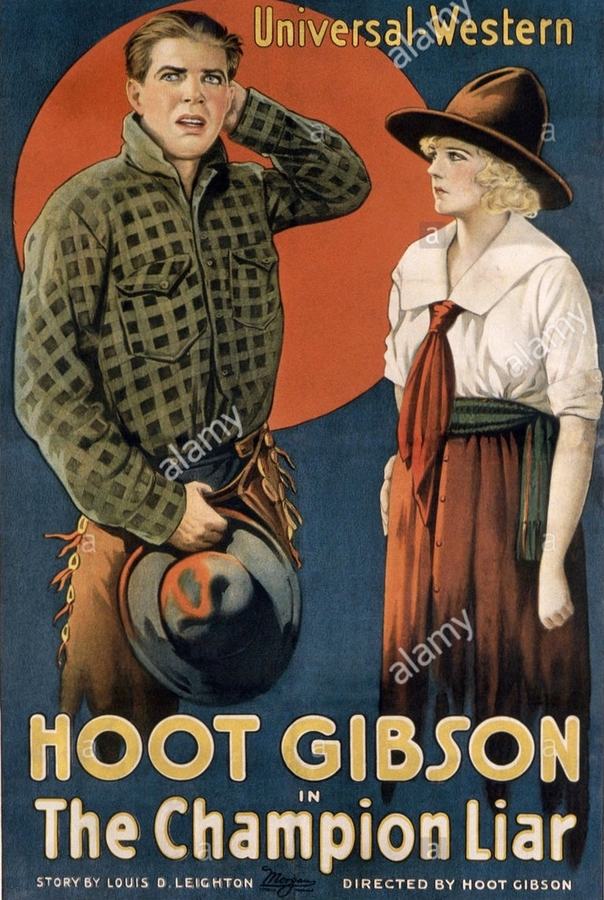
Deep dive into the cult classic
Discover similar cinematic experiences
A Directorial Spotlight on Louis J. Gasnier