
DbcultAccessing Vault...
Director's Spotlight
Senior Film Conservator
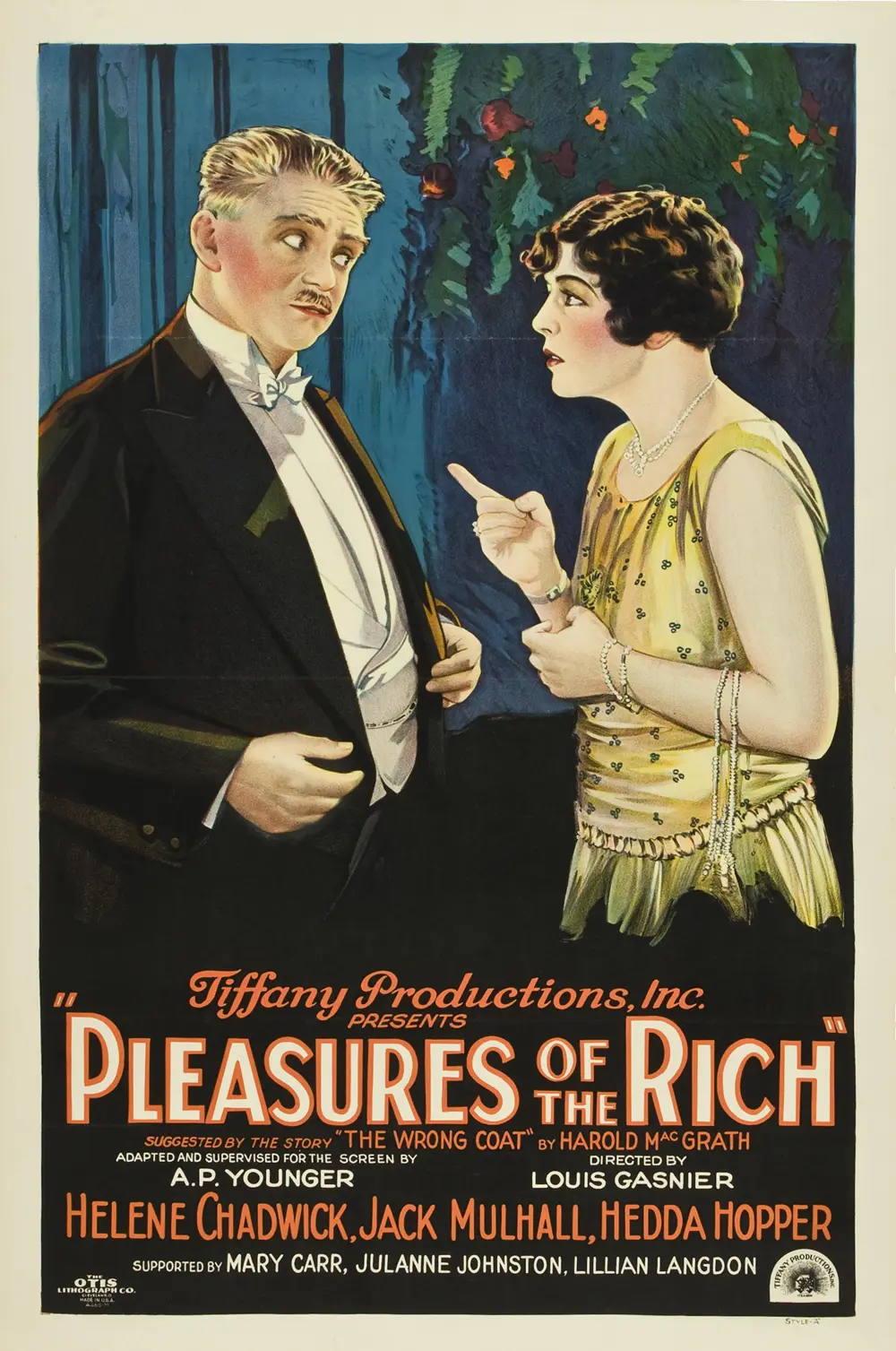
Director's Spotlight: United States
A Deep Dive into the 1926 Vision of Louis J. Gasnier
The evocative power of Pleasures of the Rich stems from the unique collaboration between the bold experimentation that has become synonymous with Louis J. Gasnier. Framed by the hauntingly beautiful landscapes of the production, it echoes the profound changes occurring in United States during that era.
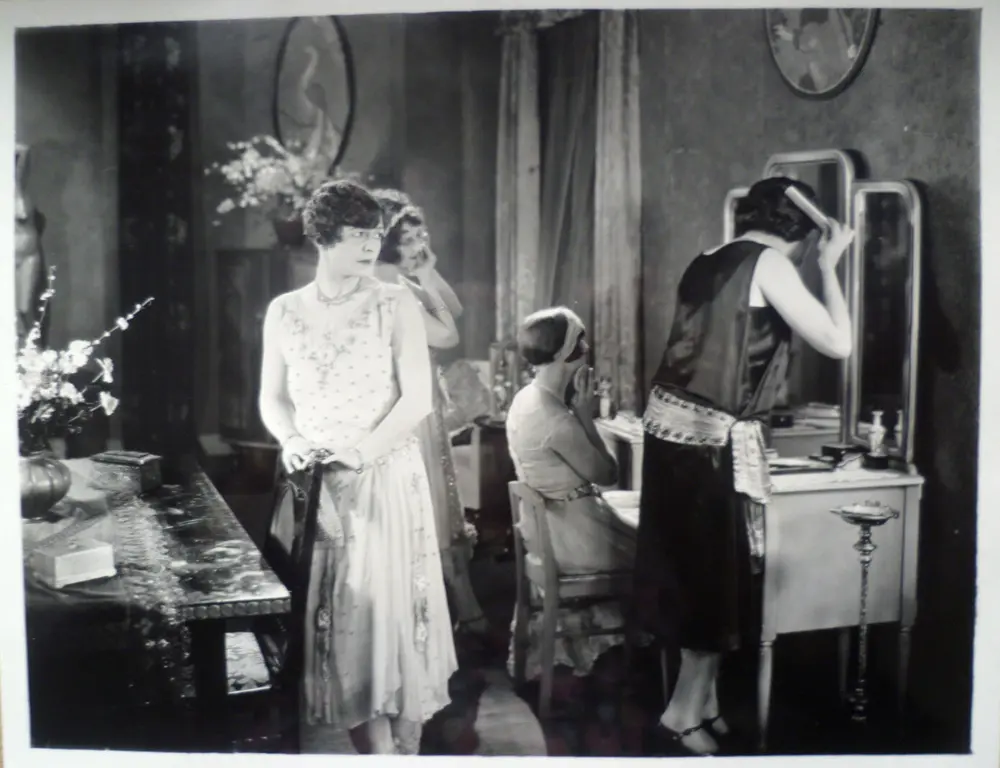
In Pleasures of the Rich, Louis J. Gasnier pushes the boundaries of conventional narrative. The film's unique approach to its subject matter has sparked endless debates and interpretations among cinephiles and critics alike.
| Cinematography | Handheld |
| Soundtrack | Synth-Heavy |
| Editing | Disjunctive |
| Art Direction | Baroque |
Visualizing the convergence of Louis J. Gasnier's style and the core Drama narrative.
Henry Wilson, a wealthy grocer who started with a pushcart and worked his way up to 40 trucks, although married becomes interested in divorcee Mona Vincent, who is trying to win Frank Clayton, a wealthy scion with whom Wilson's daughter Mary is in love. Mona promises Mary to give up Wilson if Mary will give her Clayton. Mary agrees, but then tries to drown herself, distressed by the loss. Wilson learns that Mona has made a fool of him and returns to his wife. Mary is rescued and marries Clayton.
Decades after its release, Pleasures of the Rich remains a vital piece of the cinematic puzzle. Its influence can be seen in countless modern works, solidifying Louis J. Gasnier's status as a master of the craft in United States and beyond.