
DbcultAccessing Vault...
Director's Spotlight
Senior Film Conservator
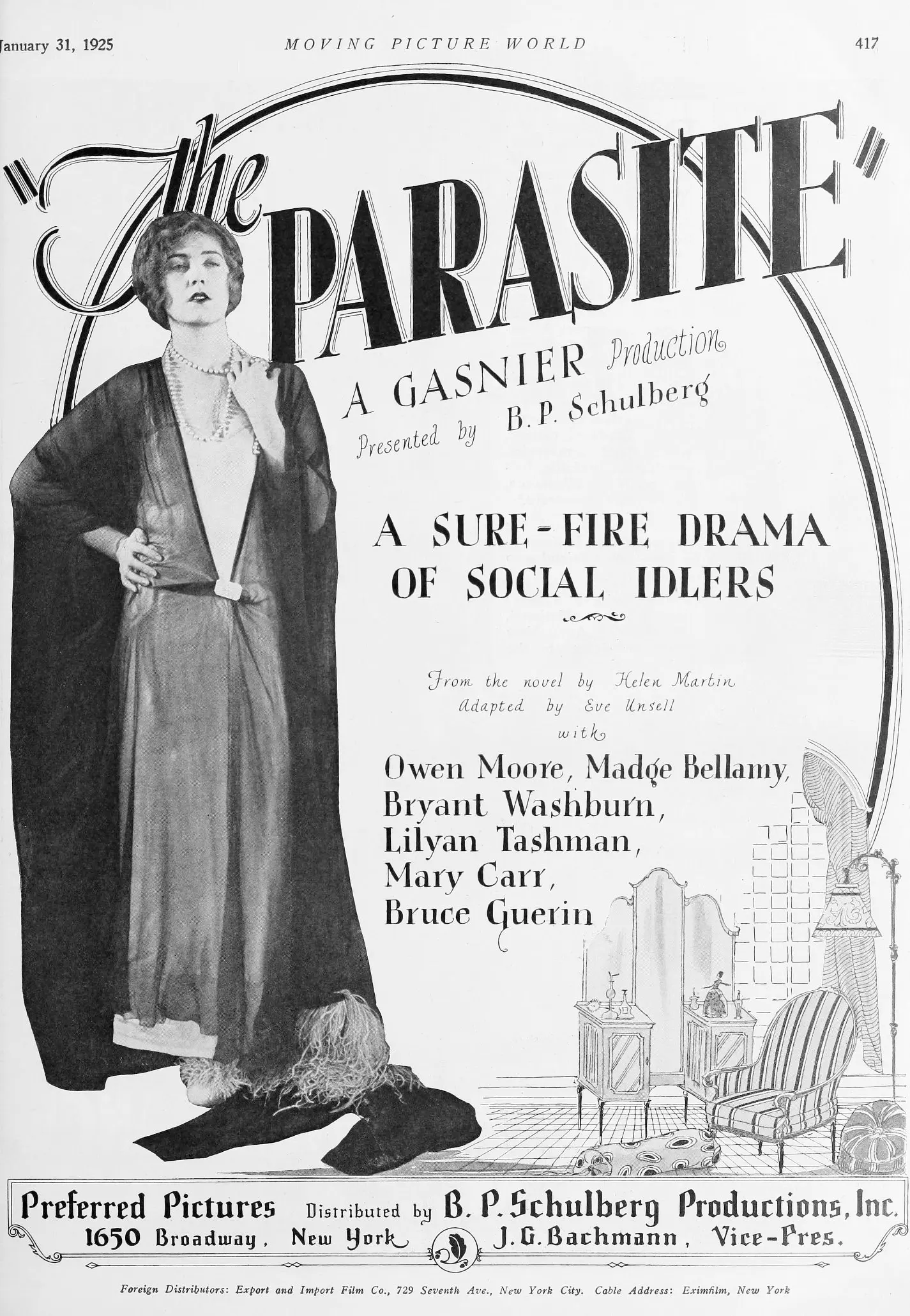
Director's Spotlight: United States
A Deep Dive into the 1925 Vision of Louis J. Gasnier
Exploring the Drama underpinnings of The Parasite leads us to the uncompromising vision of Louis J. Gasnier that defines this Drama masterpiece. Melding the raw energy of United States with a global Drama appeal, it echoes the profound changes occurring in United States during that era.
In The Parasite, Louis J. Gasnier pushes the boundaries of conventional narrative. The film's unique approach to its subject matter has sparked endless debates and interpretations among cinephiles and critics alike.
The visual language of The Parasite is defined by its use of shadows and framing, a hallmark of Louis J. Gasnier's style. By utilizing a 1925-era palette, the film creates an immersive experience that perfectly complements its Drama themes.
| Cinematography | High-Contrast |
| Soundtrack | Experimental |
| Editing | Elliptical |
| Art Direction | Expressionist |
Visualizing the convergence of Louis J. Gasnier's style and the core Drama narrative.
Arthur Randall becomes prosperous after divorcing his wife Laura, who now attempts unsuccessfully to win him back. When Randall's son Bertie becomes ill, he engages Joan Laird and her mother to care for him. Society misunderstands and brands Joan a parasite. Laura kidnaps Bertie, and Joan gives chase. Laura's car goes over a cliff, and she is killed. Bertie survives the crash, however, and he and Joan attempt to find their way to a refuge. They become lost in the hills, and Joan manages to keep Bertie from dying until rescue comes. Randall then marries Joan.
Decades after its release, The Parasite remains a vital piece of the cinematic puzzle. Its influence can be seen in countless modern works, solidifying Louis J. Gasnier's status as a master of the craft in United States and beyond.