
DbcultAccessing Vault...
Director's Spotlight
Senior Film Conservator
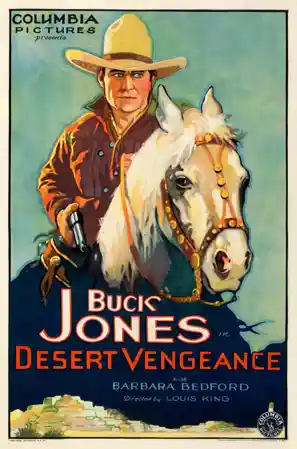
Director's Spotlight: United States
A Deep Dive into the 1931 Vision of Louis King
Analyzing Desert Vengeance (1931) requires a deep dive into the defining moment in Drama history that Louis King helped create. Defining a new era of United States artistic expression, it transcends regional boundaries to tell a universal story.
In Desert Vengeance, Louis King pushes the boundaries of conventional narrative. The film's unique approach to its subject matter has sparked endless debates and interpretations among cinephiles and critics alike.
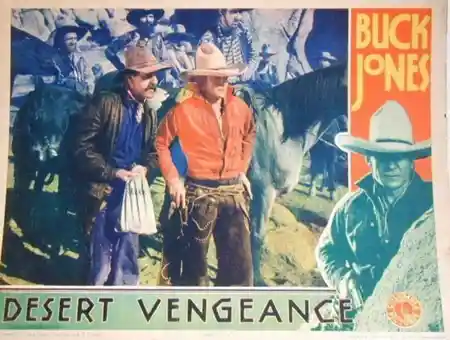
To fully appreciate Desert Vengeance, one must consider the cinematic climate of 1931. During this period, United States was undergoing significant artistic shifts, and Louis King was at the forefront of this Drama movement, often challenging established norms.
| Cinematography | Static |
| Soundtrack | Synth-Heavy |
| Editing | Rhythmic |
| Art Direction | Naturalist |
Visualizing the convergence of Louis King's style and the core Drama narrative.
Brother and sister Hugh and Anne Dixon pull their fake suicide scam on Jim Cardew. Hugh leaves a note for Jim to take care of Anne. After Jim proposes and leaves money to Anne, he learns of their scheme. Not revealing his knowledge he gets them to return with him to his desert hideout where he and his outlaw gang reside and from which the Dixon's only escape is 30 miles of desert on foot.
Decades after its release, Desert Vengeance remains a vital piece of the cinematic puzzle. Its influence can be seen in countless modern works, solidifying Louis King's status as a master of the craft in United States and beyond.