
DbcultAccessing Vault...
Director's Spotlight
Senior Film Conservator
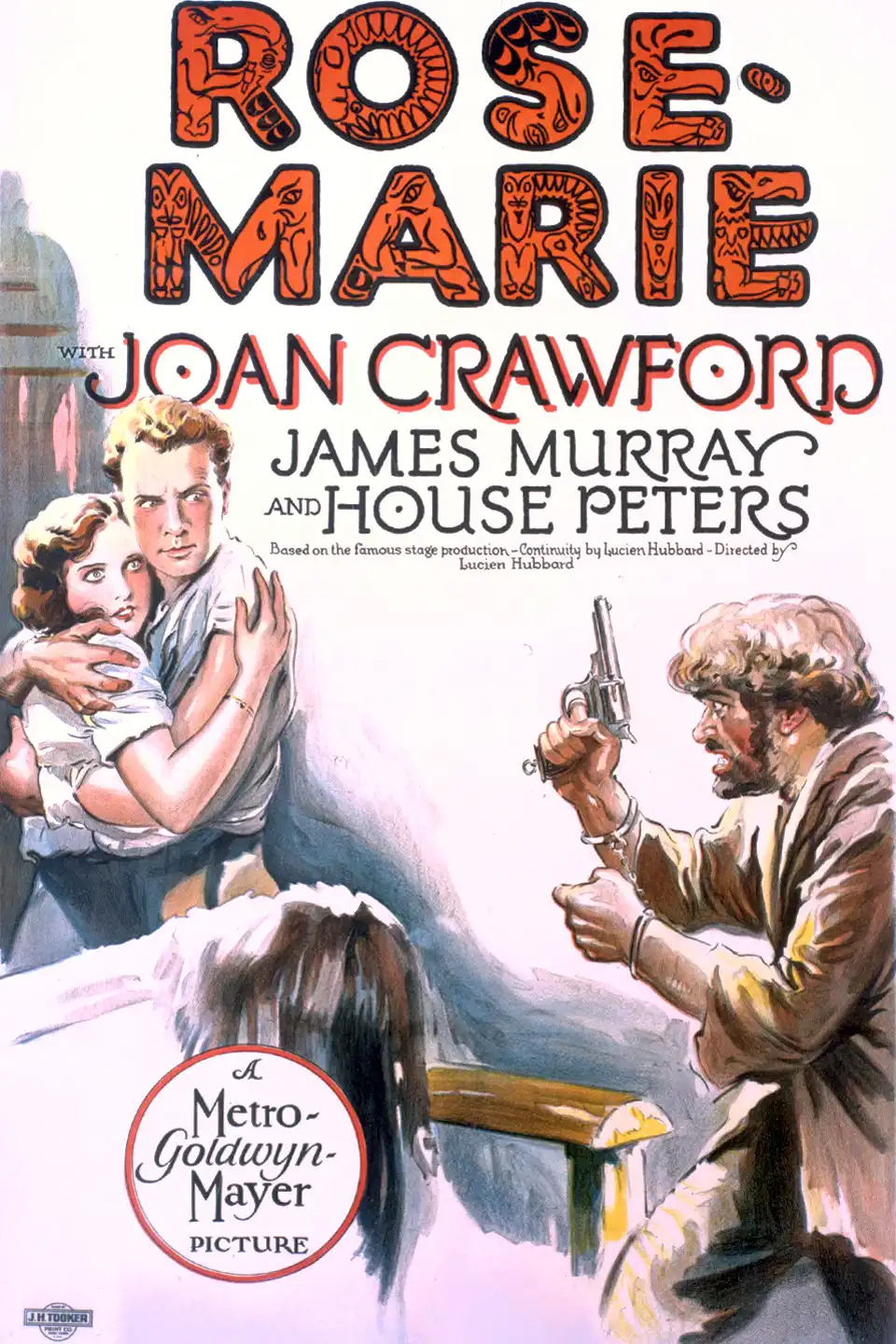
Director's Spotlight: United States
A Deep Dive into the 1928 Vision of Lucien Hubbard
Few works in United States cinema carry the same weight as Rose-Marie, especially regarding the technical innovation that Lucien Hubbard introduced to the Western format. Subverting the expectations of the typical 1928 audience, it bridges the gap between traditional Western and contemporary vision.
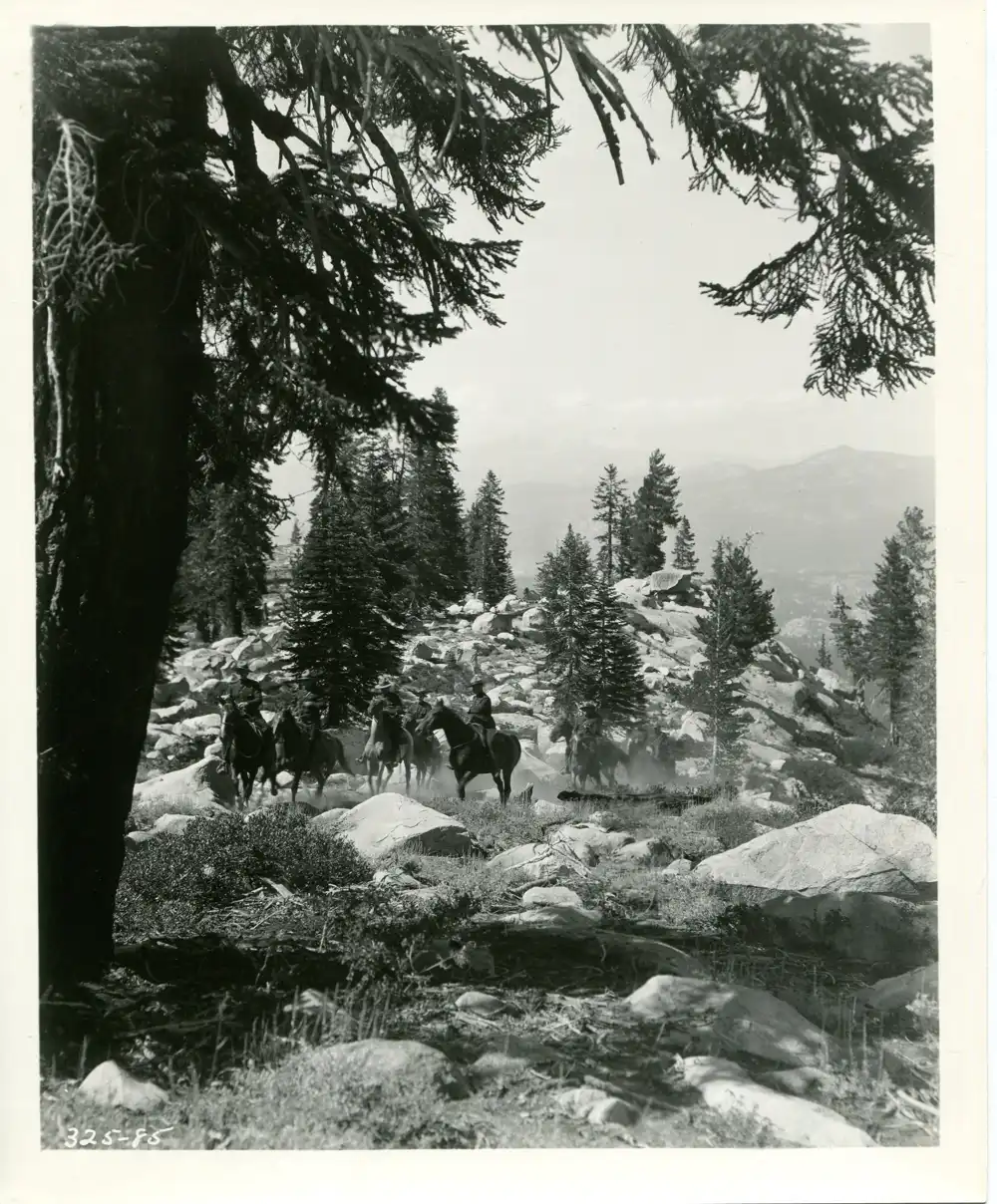
In Rose-Marie, Lucien Hubbard pushes the boundaries of conventional narrative. The film's unique approach to its subject matter has sparked endless debates and interpretations among cinephiles and critics alike.
| Cinematography | Handheld |
| Soundtrack | Experimental |
| Editing | Elliptical |
| Art Direction | Expressionist |
Visualizing the convergence of Lucien Hubbard's style and the core Western narrative.
Sergeant Malone of the Mounties and effeminate Etienne Doray are both in love with Rose-Marie, but she doesn't light up until soldier of fortune Jim Kenyon drifts into the post. Soon Jim is accused of murder but he escapes. To save him Rose-marie agrees to marry influential Etienne. Meanwhile, Malone is chasing the real murderer Black Bastien. Malone is killed, Black escapes and Jim is exonerated.
Decades after its release, Rose-Marie remains a vital piece of the cinematic puzzle. Its influence can be seen in countless modern works, solidifying Lucien Hubbard's status as a master of the craft in United States and beyond.