
DbcultAccessing Vault...
Director's Spotlight
Senior Film Conservator
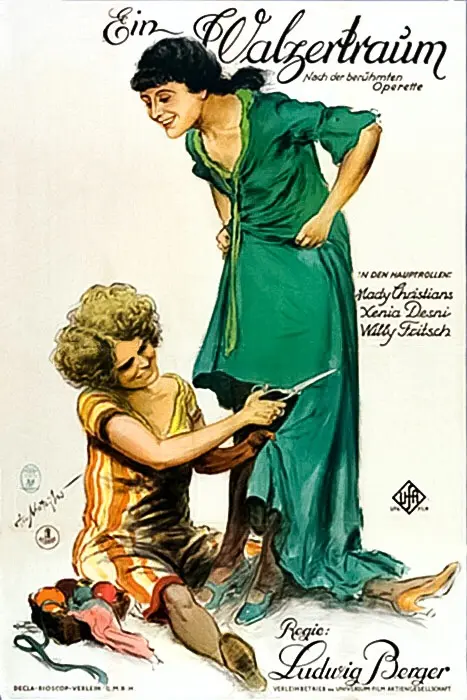
Director's Spotlight: Germany
A Deep Dive into the 1925 Vision of Ludwig Berger
When we examine the cinematic landscape of Germany, The Waltz Dream emerges as a landmark work of the enduring legacy of Ludwig Berger's artistic contribution to the genre. Through a lens of existential fatalism and Drama tropes, it captures a specific kind of cinematic magic that is rarely replicated.
In The Waltz Dream, Ludwig Berger pushes the boundaries of conventional narrative. The film's unique approach to its subject matter has sparked endless debates and interpretations among cinephiles and critics alike.
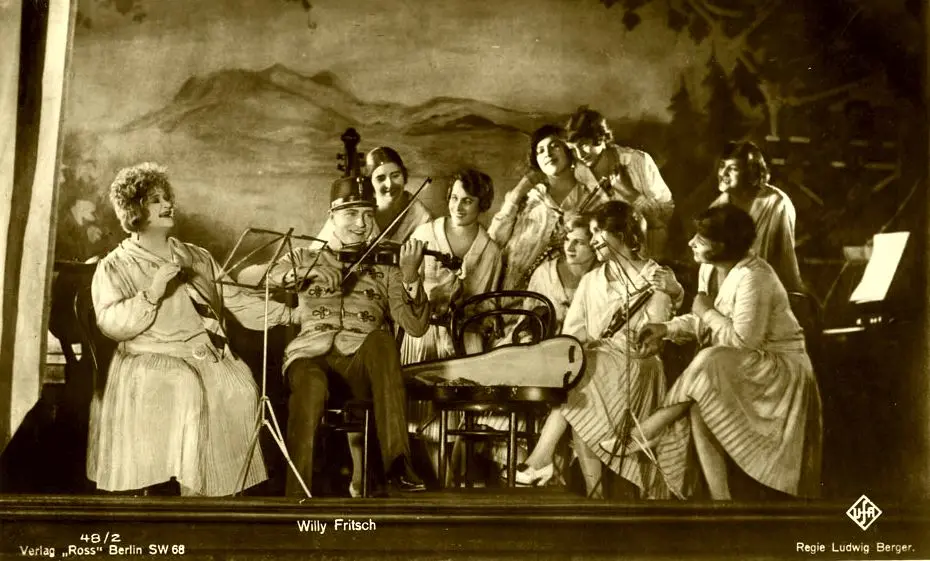
While deeply rooted in Germany, The Waltz Dream has achieved a global reach, influencing directors from various backgrounds. Its ability to translate Drama tropes into a universal cinematic language is why it remains a cult staple decades after its 1925 release.
| Cinematography | Static |
| Soundtrack | Diegetic |
| Editing | Elliptical |
| Art Direction | Expressionist |
Visualizing the convergence of Ludwig Berger's style and the core Drama narrative.
The story tells how Count Preyn is artfully trapped into a marriage with the cold, unemotional princess of Flausenburg. Poor Count Preyn, with his bubbling Viennese disposition, finds himself lost in the cold atmosphere of the Flausenburg court. On his wedding night he rushes away in desperation and finds a pretty Viennese orchestra leader in a cafe. A romance ensues, the girl never suspecting that he is the prince consort. The girl, Franzi, is hired to teach the princess the modern arts in order to win her husband's love. Right up to the last she is unaware that it is her lover that she is helping to win back for his princess wife.
Decades after its release, The Waltz Dream remains a vital piece of the cinematic puzzle. Its influence can be seen in countless modern works, solidifying Ludwig Berger's status as a master of the craft in Germany and beyond.