
DbcultAccessing Vault...
Director's Spotlight
Senior Film Conservator
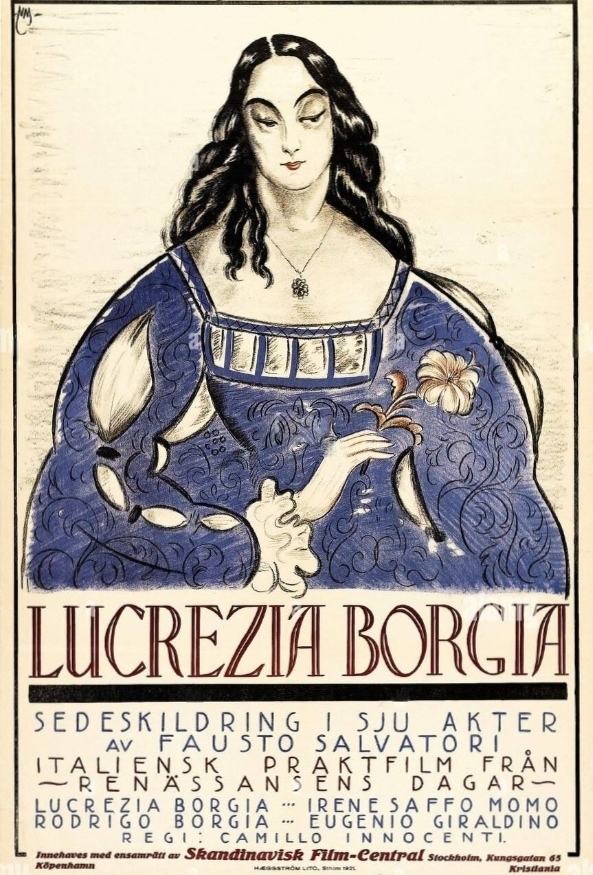
Director's Spotlight: Italy
A Deep Dive into the 1920 Vision of Luigi Caramba
The enduring fascination with I Borgia is a testament to the defining moment in cult history that Luigi Caramba helped create. This film stands as a masterclass in visual storytelling, it has cemented its place in the global cult cinema archive.
In I Borgia, Luigi Caramba pushes the boundaries of conventional narrative. The film's unique approach to its subject matter has sparked endless debates and interpretations among cinephiles and critics alike.
To fully appreciate I Borgia, one must consider the cinematic climate of 1920. During this period, Italy was undergoing significant artistic shifts, and Luigi Caramba was at the forefront of this cult movement, often challenging established norms.
| Cinematography | Deep Focus |
| Soundtrack | Experimental |
| Editing | Elliptical |
| Art Direction | Expressionist |
Visualizing the convergence of Luigi Caramba's style and the core cult narrative.
The tale opens with the election of Rodriga Borgia to the office of Pope Alexander VI. Then it switches to a succession of attempts by Caesar Borgia to kill or have killed Alfonzo of Aragon, husband of Lucretia. The assassinations are attempted while Lucretia, who constantly watches over her weak spouse, is away at various affairs of state and social life. While she is attending a banquet, Alfonzo is finally stabbed by one of Caesar's lieutenants. It is discovered that Lucretia's husband has been murdered under the direction of Caesar, which inflames the people to revolt, and the despot is overthrown and himself killed by the mob.
Decades after its release, I Borgia remains a vital piece of the cinematic puzzle. Its influence can be seen in countless modern works, solidifying Luigi Caramba's status as a master of the craft in Italy and beyond.