
DbcultAccessing Vault...
Director's Spotlight
Senior Film Conservator
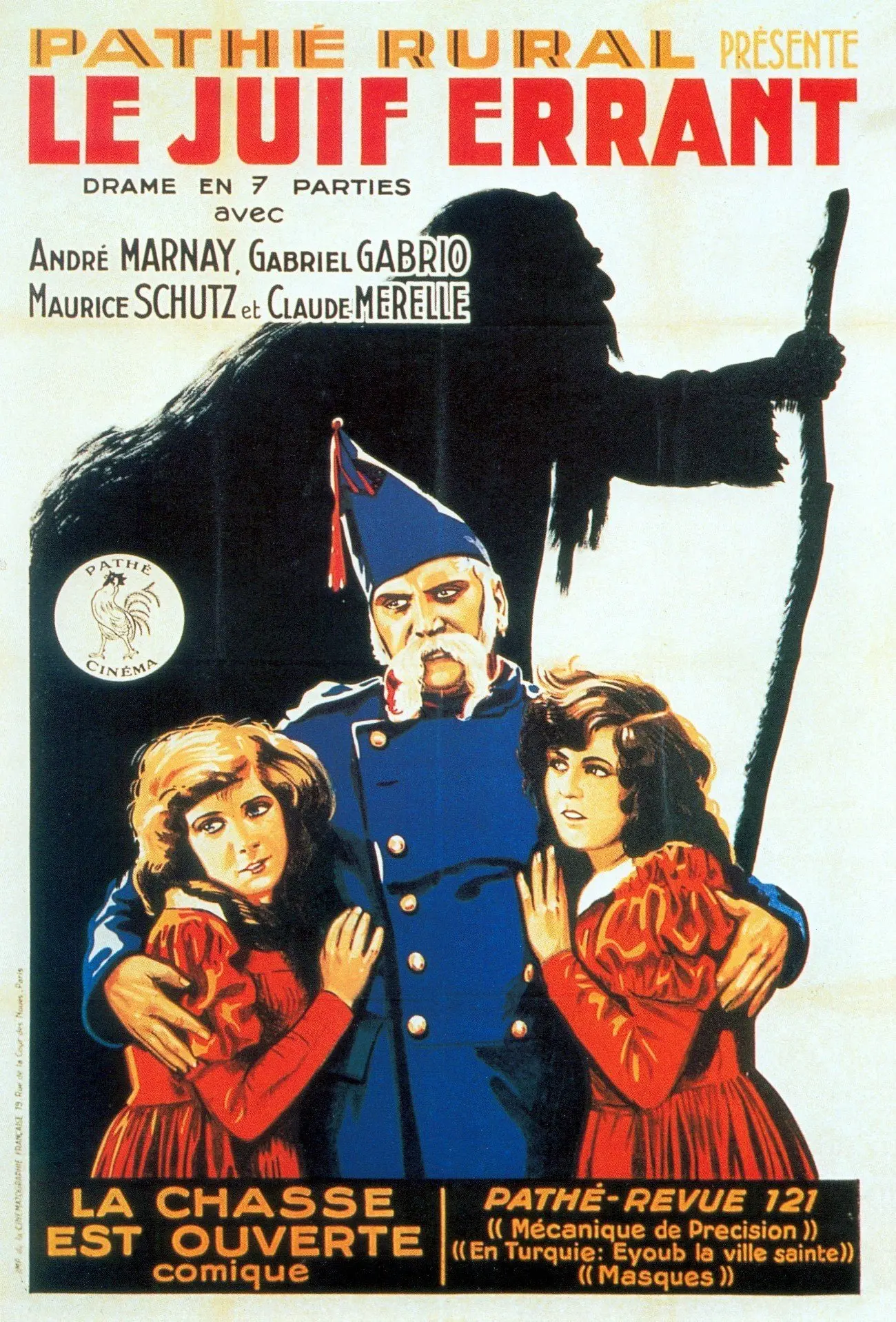
Director's Spotlight: France
A Deep Dive into the 1926 Vision of Luitz-Morat
The brilliance of Le Juif errant (1926) is inseparable from the visionary mind of its creator, Luitz-Morat. Serving as a mirror to the anxieties of a changing world, it persists as a haunting reminder of our own cinematic history.
In Le Juif errant, Luitz-Morat pushes the boundaries of conventional narrative. The film's unique approach to its subject matter has sparked endless debates and interpretations among cinephiles and critics alike.
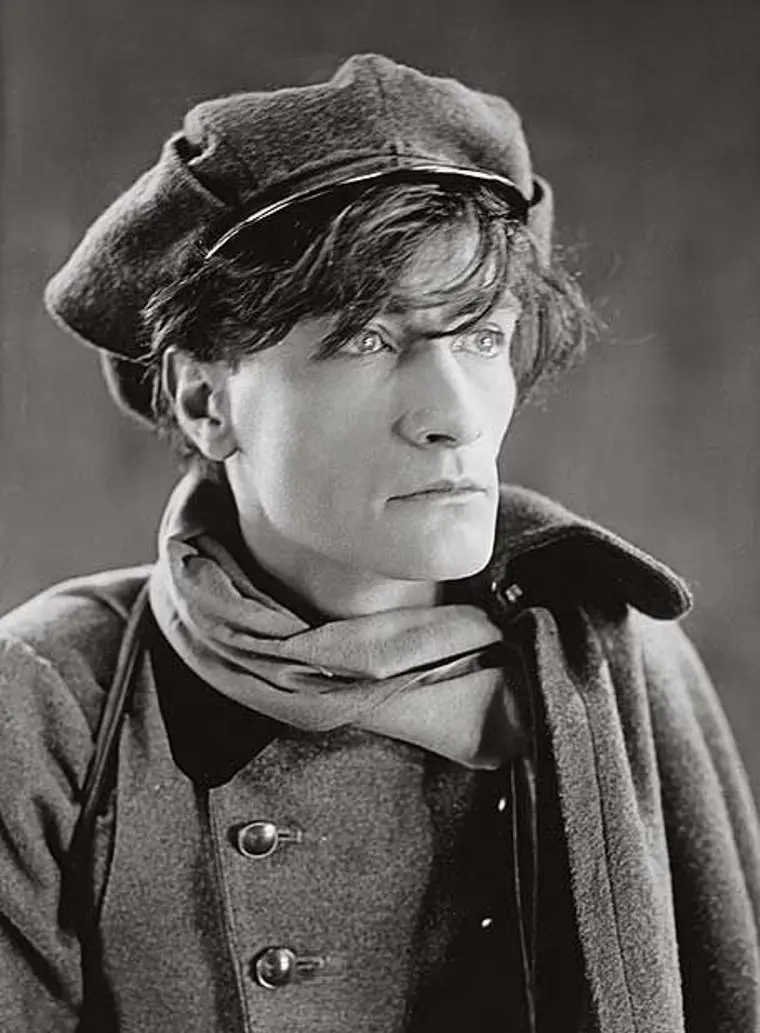
In this work, Luitz-Morat explores the intersection of cult and France cultural identity. The meticulous attention to detail suggests a deep-seated commitment to pushing the boundaries of the medium, ensuring that Le Juif errant remains a relevant topic of study for cult enthusiasts.
| Cinematography | Handheld |
| Soundtrack | Diegetic |
| Editing | Elliptical |
| Art Direction | Expressionist |
Visualizing the convergence of Luitz-Morat's style and the core cult narrative.
Guilty of insulting Christ Ahasverus became forever eternity the wandering Jew. On 13 February 1682, during a night of pogrom in the Warsaw ghetto a Frenchman married to a Polish Jew is assassinated by members of a secret society.
Decades after its release, Le Juif errant remains a vital piece of the cinematic puzzle. Its influence can be seen in countless modern works, solidifying Luitz-Morat's status as a master of the craft in France and beyond.