
DbcultAccessing Vault...
Director's Spotlight
Senior Film Conservator
Director's Spotlight: United States
A Deep Dive into the 1927 Vision of Luther Reed
In the grand tapestry of Comedy cinema, Honeymoon Hate serves as a bridge between the philosophical inquiries that Luther Reed embeds within the narrative. Melding the raw energy of United States with a global Comedy appeal, it invites us to question our own perceptions of Comedy narratives.
In Honeymoon Hate, Luther Reed pushes the boundaries of conventional narrative. The film's unique approach to its subject matter has sparked endless debates and interpretations among cinephiles and critics alike.
| Cinematography | Handheld |
| Soundtrack | Synth-Heavy |
| Editing | Disjunctive |
| Art Direction | Baroque |
Visualizing the convergence of Luther Reed's style and the core Comedy narrative.
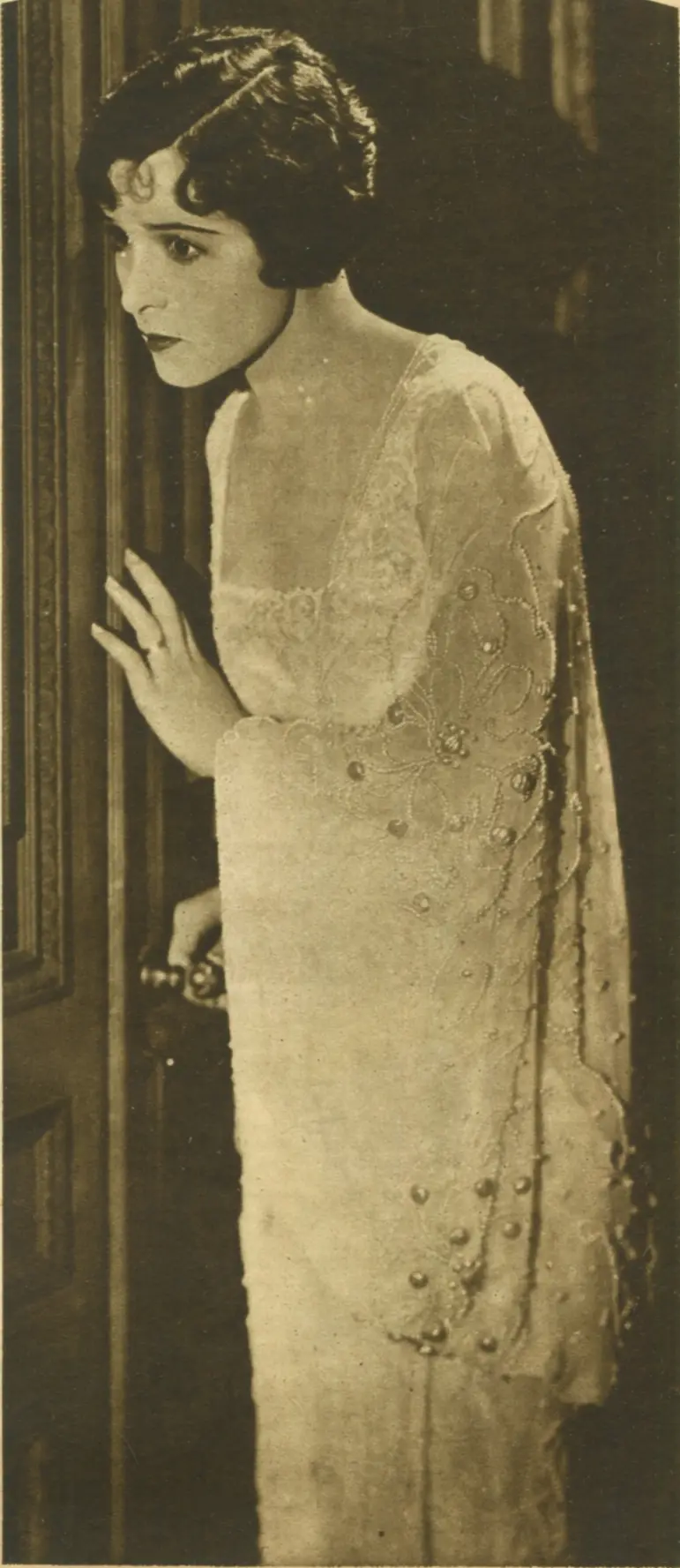
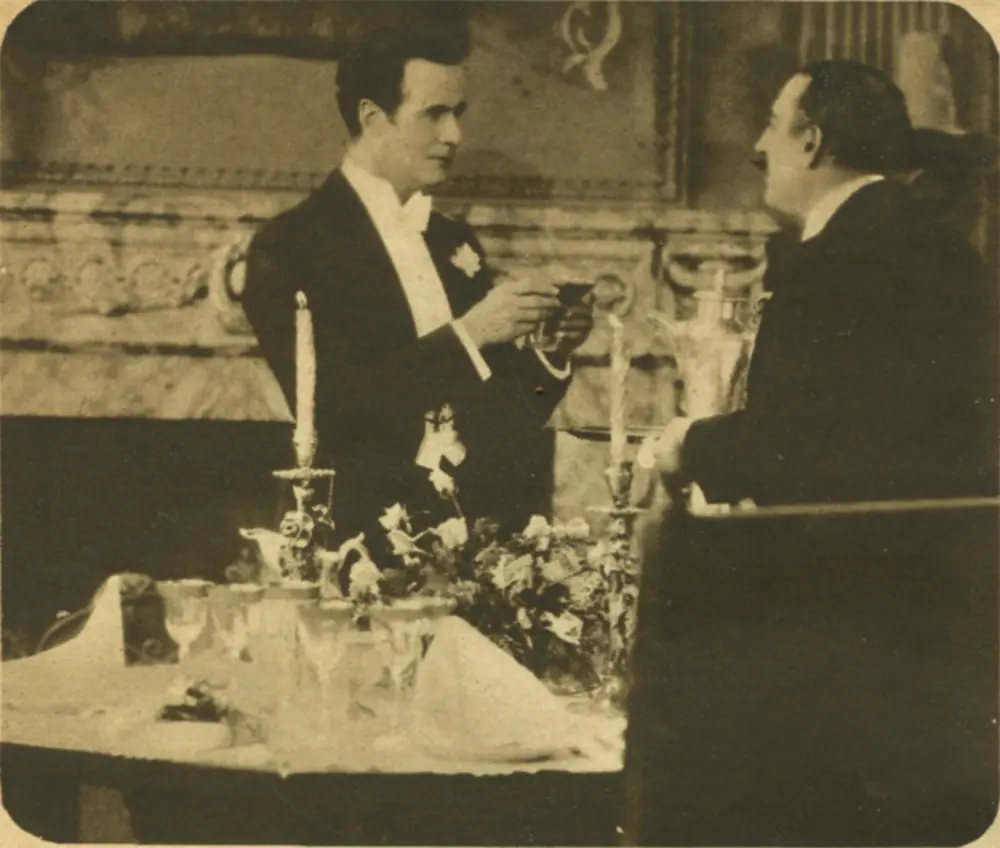
Gail Grant, the impetuous daughter of a Pittsburgh steel magnate, arrives at a hotel in Venice and demands the Imperial Suite; in London, George Banning-Green, a persistent admirer, believes that she has gone to Berlin. Searching for "imperial" furnishings, the hotel manager goes to the palace of Prince Dantarini, who is selling the contents of his villa as an aftermath of the war. Dantarini agrees to be her guide in Venice, and when he proposes in his garden, Gail accepts. When their honeymoon trip is postponed because of a business appointment, they quarrel, and she locks herself in the bedroom while he calmly sits down to dinner. After announcing her plan to divorce him, Gail bumps into Banning-Green and introduces him to her husband, whereupon Dantarini becomes violently jealous; when he offers her her freedom, however, her will is broken, and a word from Banning-Green sends them into each other's arms.
Decades after its release, Honeymoon Hate remains a vital piece of the cinematic puzzle. Its influence can be seen in countless modern works, solidifying Luther Reed's status as a master of the craft in United States and beyond.