
DbcultAccessing Vault...
Director's Spotlight
Senior Film Conservator
Director's Spotlight: United States
A Deep Dive into the 1926 Vision of Lynn Reynolds
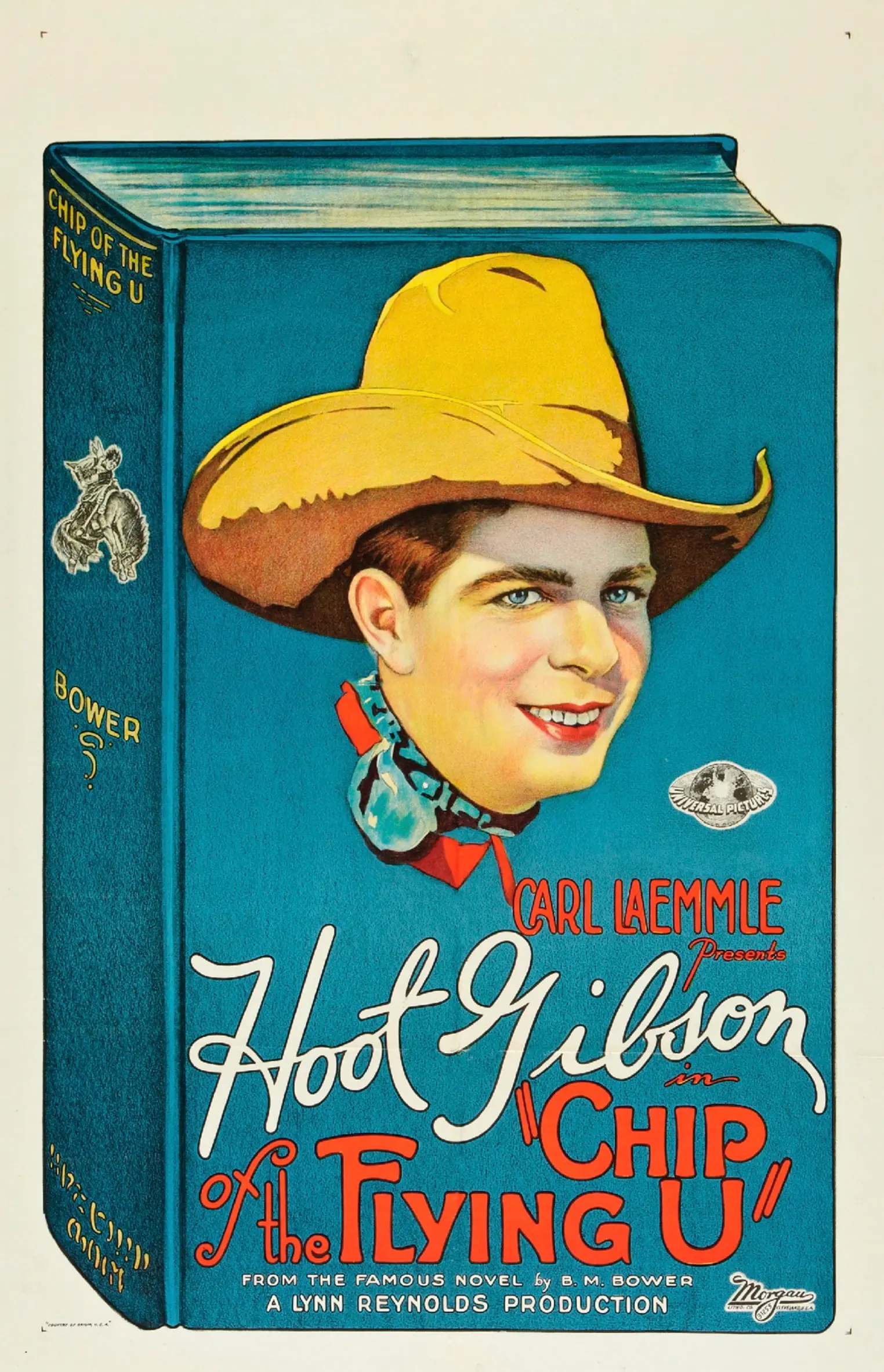
The 1926 release of Chip of the Flying U marked a significant moment for the stylistic boundaries pushed by Lynn Reynolds during the production. In the context of United States's rich cinematic history, it invites us to question our own perceptions of Western narratives.
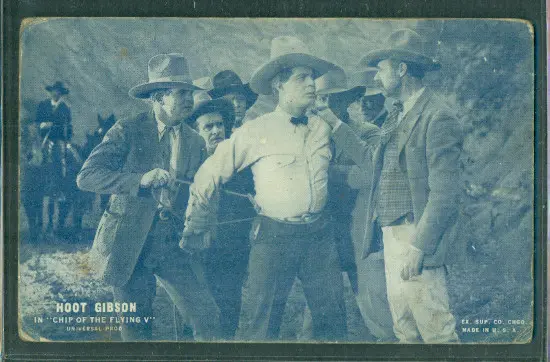
In Chip of the Flying U, Lynn Reynolds pushes the boundaries of conventional narrative. The film's unique approach to its subject matter has sparked endless debates and interpretations among cinephiles and critics alike.
| Cinematography | Handheld |
| Soundtrack | Diegetic |
| Editing | Elliptical |
| Art Direction | Expressionist |
Visualizing the convergence of Lynn Reynolds's style and the core Western narrative.
Chip Bennett of the Flying U Ranch, though a confirmed misogynist, falls in love with Dr. Della Whitmore, the sister of the rancher for whom Chip works. In order to be near her, Chip fakes an accident and claims to have a damaged ankle. The two fall in love, and Della submits several of Chip's highly accomplished cartoons to a receptive publisher. When she later discovers Chip's deception, however, Della gives him the cold shoulder. Chip is at first heartbroken, but, screwing up his courage, he kidnaps the fair doctor from a dance and carries her off to a parson to be married.
Decades after its release, Chip of the Flying U remains a vital piece of the cinematic puzzle. Its influence can be seen in countless modern works, solidifying Lynn Reynolds's status as a master of the craft in United States and beyond.