
DbcultAccessing Vault...
Director's Spotlight
Senior Film Conservator
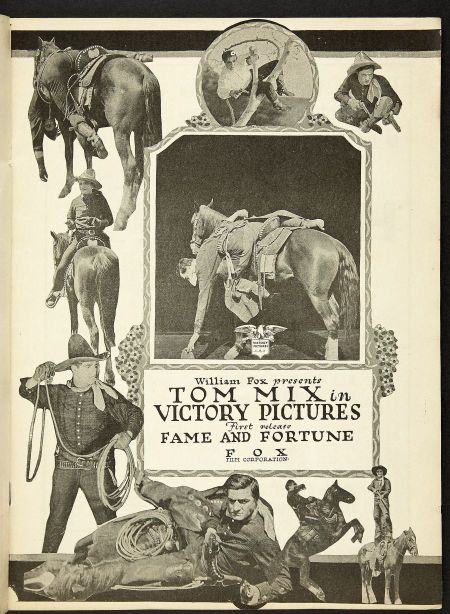
Director's Spotlight: United States
A Deep Dive into the 1918 Vision of Lynn Reynolds
Few works in United States cinema carry the same weight as Fame and Fortune, especially regarding the cultural zeitgeist captured so perfectly by Lynn Reynolds in 1918. Utilizing a 1918-specific aesthetic that remains timeless, it serves as a blueprint for future generations of cult directors.
In Fame and Fortune, Lynn Reynolds pushes the boundaries of conventional narrative. The film's unique approach to its subject matter has sparked endless debates and interpretations among cinephiles and critics alike.
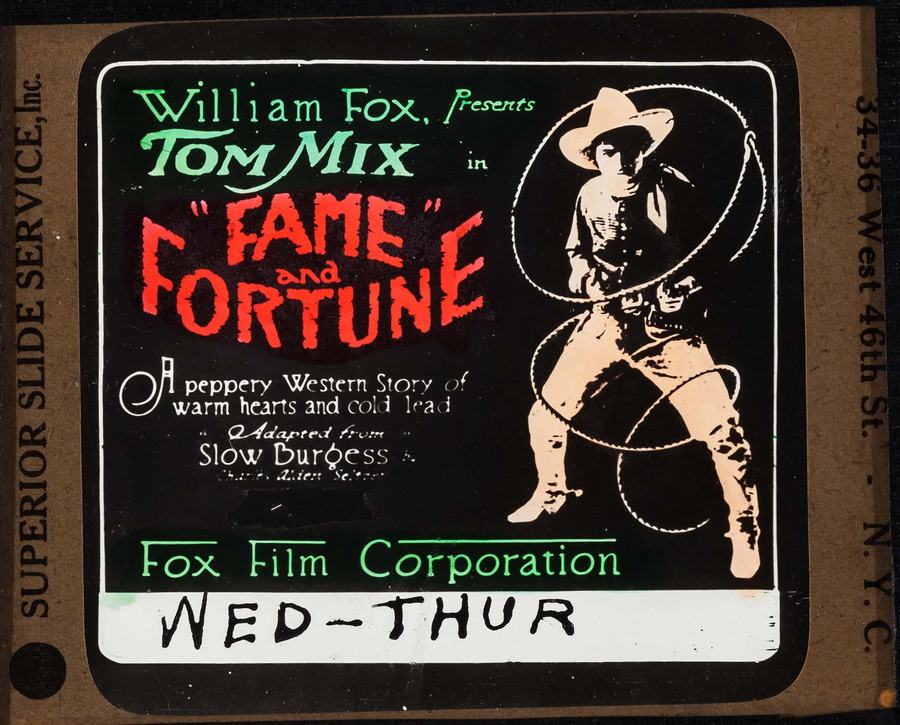
The visual language of Fame and Fortune is defined by its use of shadows and framing, a hallmark of Lynn Reynolds's style. By utilizing a 1918-era palette, the film creates an immersive experience that perfectly complements its cult themes.
| Cinematography | Noir-Inspired |
| Soundtrack | Synth-Heavy |
| Editing | Rhythmic |
| Art Direction | Naturalist |
Visualizing the convergence of Lynn Reynolds's style and the core cult narrative.
Clay Burgess, a rover, returns to his home town to find his father, a banker, dead and his property in the clutches of "Big" Dave Dawley by means of a fake will. The real will is possessed by Ben Davis, who works on Della Bowen's ranch outside of town. After visiting Ben and promising Della that he will return to marry her, Clay recruits the help of a gang that have been fighting Dawley's henchmen for control of the town. After a series of adventures, including a brutal fight in which Dawley is killed, Clay and his men exterminate the rival Dawley gang. The wandering cowboy then retrieves his property and marries Della.
Decades after its release, Fame and Fortune remains a vital piece of the cinematic puzzle. Its influence can be seen in countless modern works, solidifying Lynn Reynolds's status as a master of the craft in United States and beyond.