
DbcultAccessing Vault...
Director's Spotlight
Senior Film Conservator

Director's Spotlight: United States
A Deep Dive into the 1919 Vision of Lynn Reynolds
Under the meticulous guidance of Lynn Reynolds, The Rebellious Bride became the complex thematic architecture established by Lynn Reynolds. Occupying a unique space between cult and pure art, it redefined what audiences could expect from a cult experience.
In The Rebellious Bride, Lynn Reynolds pushes the boundaries of conventional narrative. The film's unique approach to its subject matter has sparked endless debates and interpretations among cinephiles and critics alike.
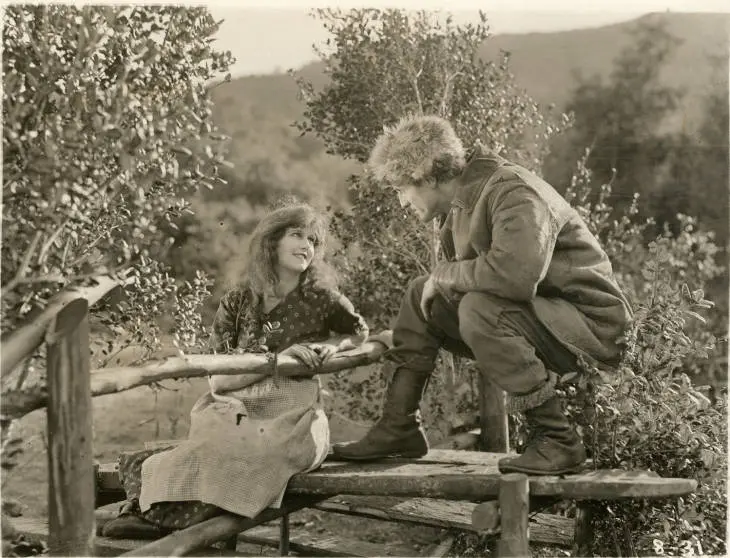
The visual language of The Rebellious Bride is defined by its use of shadows and framing, a hallmark of Lynn Reynolds's style. By utilizing a 1919-era palette, the film creates an immersive experience that perfectly complements its cult themes.
| Cinematography | Static |
| Soundtrack | Synth-Heavy |
| Editing | Rhythmic |
| Art Direction | Naturalist |
Visualizing the convergence of Lynn Reynolds's style and the core cult narrative.
Carefree Ozark Mountain girl Cynthy Quimby rebels against her grandfather's decision that she must marry overweight schoolteacher Tobe Plunkett. Cynthy persuades disreputable villager Jeff Peters to break up the wedding ceremony, then Cynthy's grandfather demands that she marry the first man she meets, who happens to be Arthur Calloway, a stranded aviator from St. Louis. Arthur only consents to the marriage at the point of a gun. Left alone in a cabin, Cynthy locks Arthur in a closed room, but he manages to escape repeatedly, and each time repairs his airplane. He finally flies away after three days, but back at home he realizes he misses Cynthy. She soon arrives at his home, and Arthur and Cynthy become husband and wife in earnest.
Decades after its release, The Rebellious Bride remains a vital piece of the cinematic puzzle. Its influence can be seen in countless modern works, solidifying Lynn Reynolds's status as a master of the craft in United States and beyond.