
DbcultAccessing Vault...
Director's Spotlight
Senior Film Conservator
Director's Spotlight: United States
A Deep Dive into the 1920 Vision of Lynn Reynolds
Analyzing The Red Lane (1920) requires a deep dive into the defining moment in cult history that Lynn Reynolds helped create. Defining a new era of United States artistic expression, it transcends regional boundaries to tell a universal story.
In The Red Lane, Lynn Reynolds pushes the boundaries of conventional narrative. The film's unique approach to its subject matter has sparked endless debates and interpretations among cinephiles and critics alike.
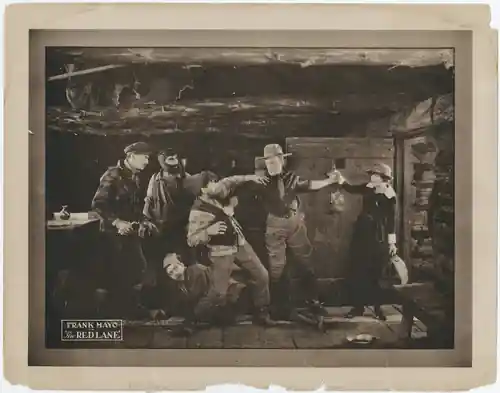
In this work, Lynn Reynolds explores the intersection of cult and United States cultural identity. The meticulous attention to detail suggests a deep-seated commitment to pushing the boundaries of the medium, ensuring that The Red Lane remains a relevant topic of study for cult enthusiasts.
| Cinematography | Deep Focus |
| Soundtrack | Minimalist |
| Editing | Disjunctive |
| Art Direction | Baroque |
Visualizing the convergence of Lynn Reynolds's style and the core cult narrative.
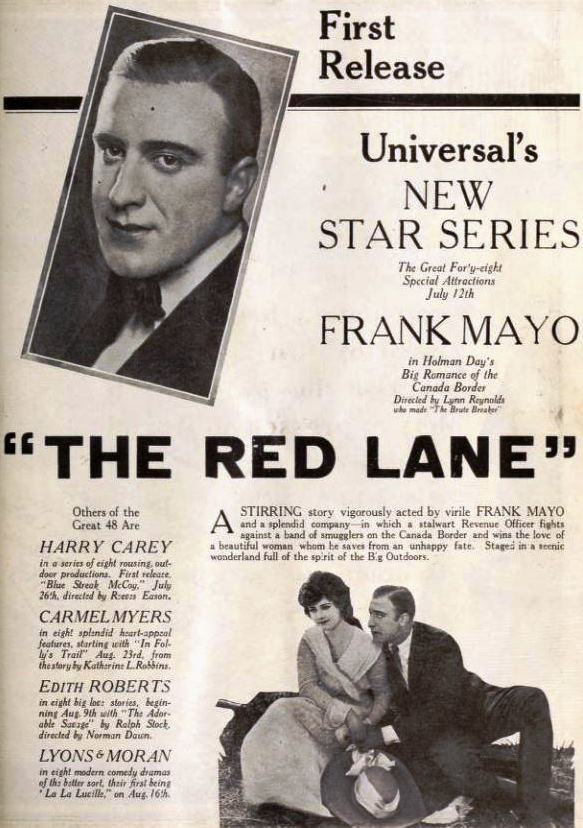
After returning home from years spent in a convent, Marie Beaulieu (Lillian Rich) is shocked to discover that her father, the leader of a band of smugglers, wants her to marry Dave Roi, one of the members of the band. Marie refuses and runs away, aided by Norman Aldrich, an American customs officer, to a small town where she is befriended by Father Leclair. Enraged by his daughter's escape, Beaulieu kidnaps Marie, but Aldrich comes to her rescue and during the struggle the smuggler is shot and killed. Aldrich is arrested for the murder until a half-witted shepherd confesses that he killed Beaulieu to avenge an old grudge. Aldrich is then elected to rid the town of the smugglers and wins Marie for his wife.
Decades after its release, The Red Lane remains a vital piece of the cinematic puzzle. Its influence can be seen in countless modern works, solidifying Lynn Reynolds's status as a master of the craft in United States and beyond.