
DbcultAccessing Vault...
Director's Spotlight
Senior Film Conservator
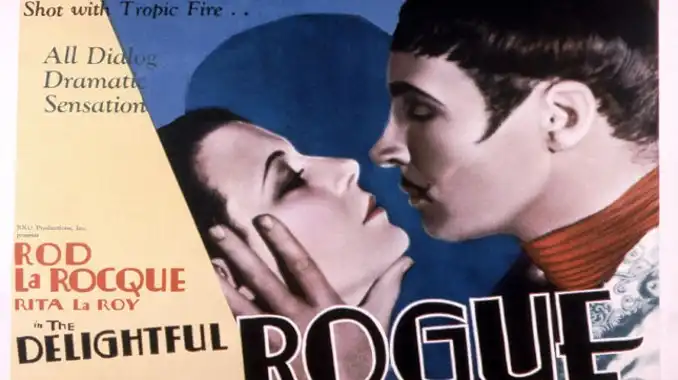
Director's Spotlight: United States
A Deep Dive into the 1929 Vision of Lynn Shores
Peeling back the layers of Lynn Shores's The Delightful Rogue exposes the technical innovation that Lynn Shores introduced to the Adventure format. Driven by an uncompromising commitment to Adventure excellence, it stands as the definitive 1929 statement on Adventure identity.
In The Delightful Rogue, Lynn Shores pushes the boundaries of conventional narrative. The film's unique approach to its subject matter has sparked endless debates and interpretations among cinephiles and critics alike.
To fully appreciate The Delightful Rogue, one must consider the cinematic climate of 1929. During this period, United States was undergoing significant artistic shifts, and Lynn Shores was at the forefront of this Adventure movement, often challenging established norms.
| Cinematography | Static |
| Soundtrack | Synth-Heavy |
| Editing | Rhythmic |
| Art Direction | Naturalist |
Visualizing the convergence of Lynn Shores's style and the core Adventure narrative.
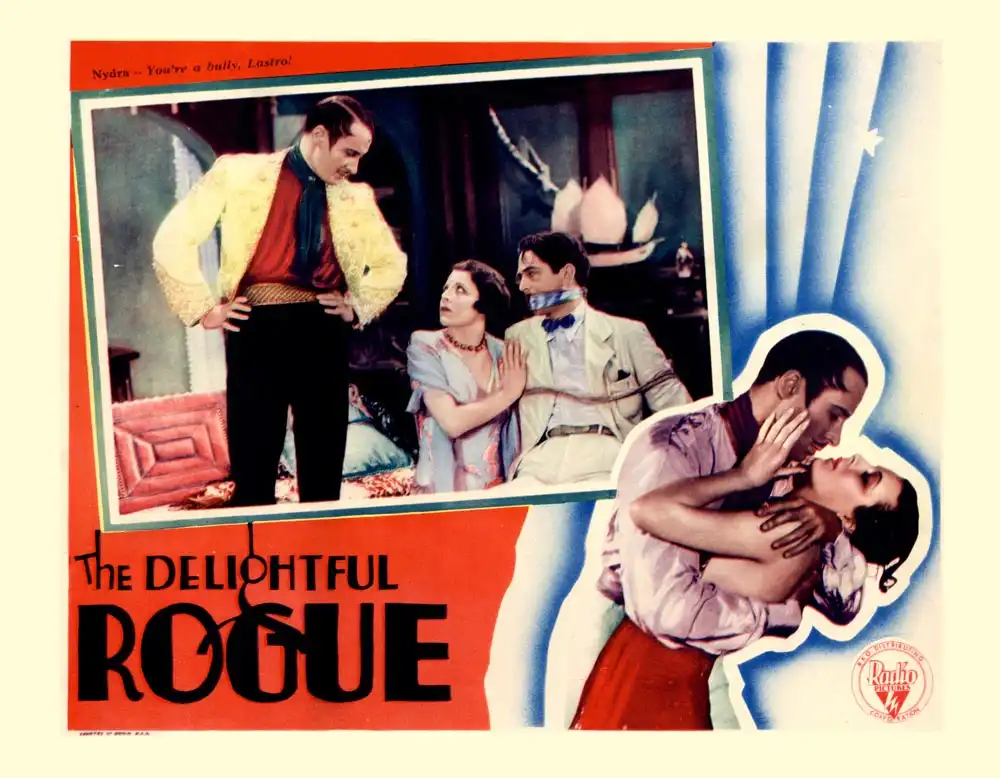
Lastro (Rod La Rocque), a rogue pirate sails to Tapit where he encounters Nydra (Rita La Roy), an Americana singer in a waterfront dive, who is the object of of the jealous affections on Harry Beall (Charles Byer). The latter soon finds himself in the clutches of Lastro and, in order to win his release, she must spend the night in oily Lastr's cabin. Nothing occurs but conversation but Beall has a green-eyed frenzy hissy-fit, and the disgusted Nydra sets sail with Lastra.
Decades after its release, The Delightful Rogue remains a vital piece of the cinematic puzzle. Its influence can be seen in countless modern works, solidifying Lynn Shores's status as a master of the craft in United States and beyond.