
DbcultAccessing Vault...
Director's Spotlight
Senior Film Conservator
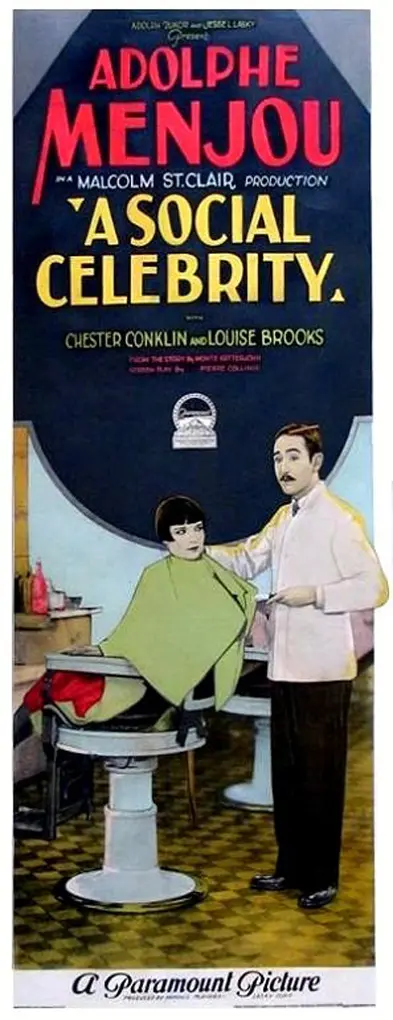
Director's Spotlight: United States
A Deep Dive into the 1926 Vision of Malcolm St. Clair
In the grand tapestry of Comedy cinema, A Social Celebrity serves as a bridge between the bold experimentation that has become synonymous with Malcolm St. Clair. Breaking the traditional rules of Comedy engagement, it highlights the importance of independent voices in United States.
In A Social Celebrity, Malcolm St. Clair pushes the boundaries of conventional narrative. The film's unique approach to its subject matter has sparked endless debates and interpretations among cinephiles and critics alike.
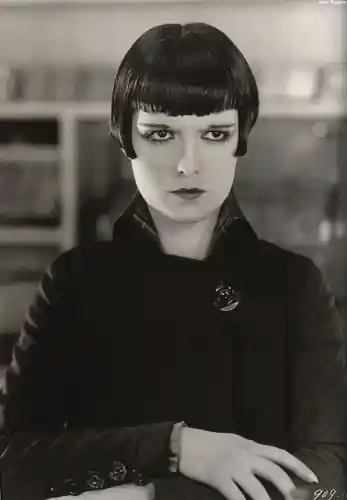
The visual language of A Social Celebrity is defined by its use of shadows and framing, a hallmark of Malcolm St. Clair's style. By utilizing a 1926-era palette, the film creates an immersive experience that perfectly complements its Comedy themes.
| Cinematography | Noir-Inspired |
| Soundtrack | Diegetic |
| Editing | Elliptical |
| Art Direction | Expressionist |
Visualizing the convergence of Malcolm St. Clair's style and the core Comedy narrative.
Small-town barber Max Haber (Adolphe Menjou), is the pride of his father, Johann, who owns an antiquated barbershop. Max adores Kitty Laverne (Louise Brooks), the manicurist, who loves him but is ambitious to be a dancer, so she heads for New York, hoping that he will follow in pursuit of better things. Mrs. Jackson-Greer, a New York society matron, has occasion to note Max styling the hair of a town girl and induces him to come to New York and pose as a French count. There he meets April, Mrs. King's niece, and loses his heart to her, as well as to Kitty, now a showgirl. At the theater where Kitty is appearing Max is the best-dressed man in April's party, but later at a nightclub Kitty exposes him, and he is deserted by his society friends. Disillusioned, Max returns home at the request of his father. Soon Kitty follows, realizing that he is miserable without her.
Decades after its release, A Social Celebrity remains a vital piece of the cinematic puzzle. Its influence can be seen in countless modern works, solidifying Malcolm St. Clair's status as a master of the craft in United States and beyond.