
DbcultAccessing Vault...
Director's Spotlight
Senior Film Conservator
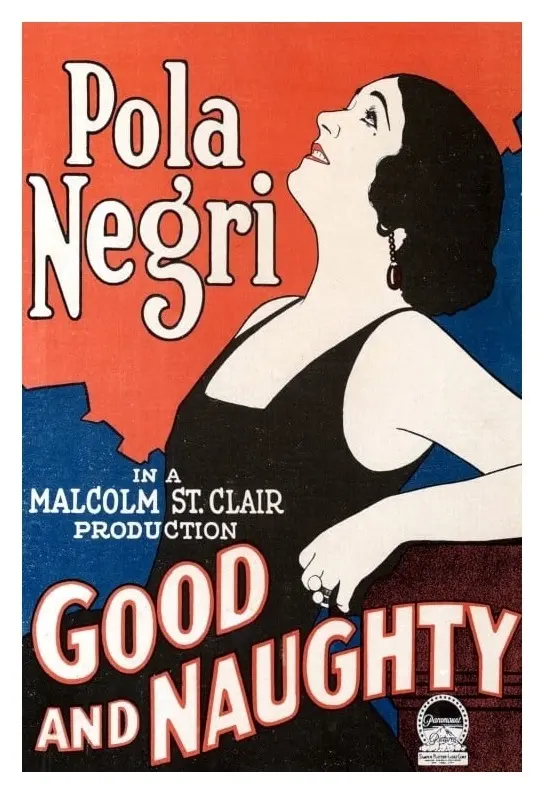
Director's Spotlight: United States
A Deep Dive into the 1926 Vision of Malcolm St. Clair
Deciphering the layers of Good and Naughty (1926) reveals a monumental shift in Comedy filmmaking spearheaded by Malcolm St. Clair. With its avant-garde structure and atmospheric tension, offering layers of thematic complexity that demand repeated viewing.
In Good and Naughty, Malcolm St. Clair pushes the boundaries of conventional narrative. The film's unique approach to its subject matter has sparked endless debates and interpretations among cinephiles and critics alike.
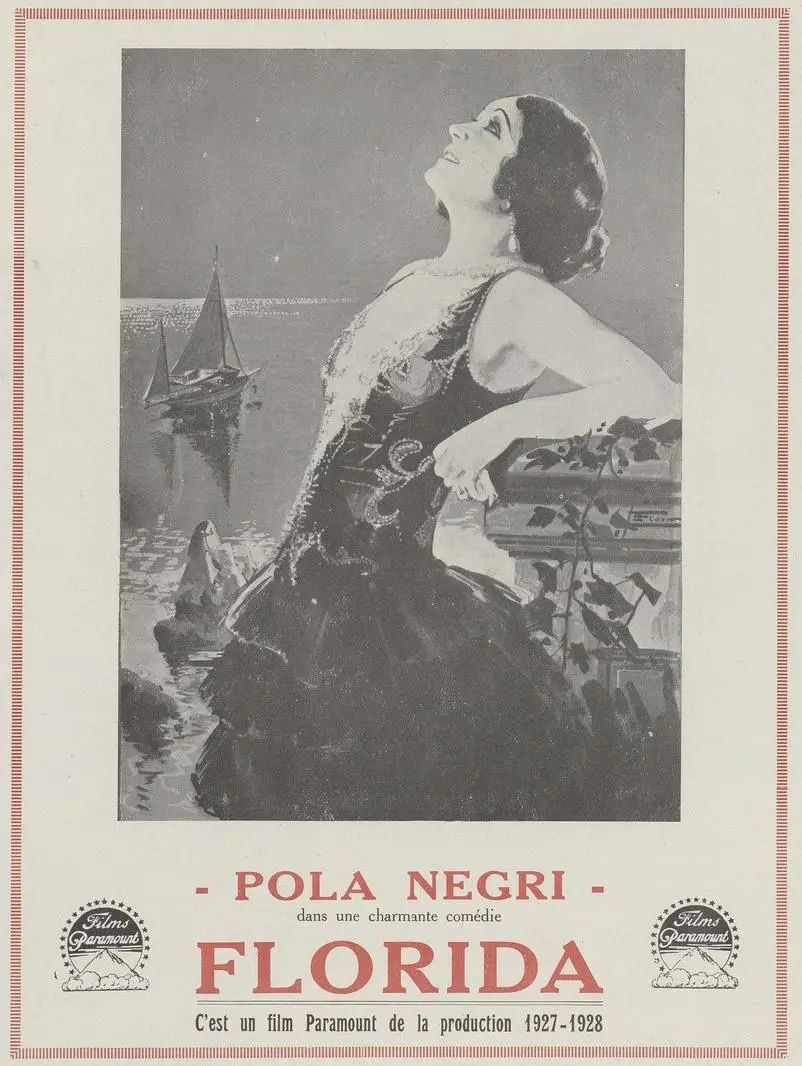
The visual language of Good and Naughty is defined by its use of shadows and framing, a hallmark of Malcolm St. Clair's style. By utilizing a 1926-era palette, the film creates an immersive experience that perfectly complements its Comedy themes.
| Cinematography | Noir-Inspired |
| Soundtrack | Orchestral |
| Editing | Invisible |
| Art Direction | Kitsch |
Visualizing the convergence of Malcolm St. Clair's style and the core Comedy narrative.
Germaine Morris, considered an ugly duckling, is in love with her employer, Gerald Gray, an interior decorator who caters to the smart set, and is concerned over his affair with Claire Fenton, the wife of a wealthy broker. When Claire invites Gerald on a yachting trip to Florida, his friend Bunny West invites showgirl Chouchou Rouselle to pose as Gerald's fiancée, but Germaine determines to substitute her own womanly beauty. In Florida she wins the attentions of all the men, causing a quarrel between Claire and Gerald; and Fenton hopes to obtain a correspondent as grounds for divorce. When Germaine, in her negligee, delivers a pipe to Gerald's room, he proposes; Fenton suggests that he take Germaine, leaving Claire and Gerald to go their way; but Smith, the showgirl's admirer, tries to claim her and is beaten by Gerald, who effects a reconciliation between the Fentons and claims the girl he loves.
Decades after its release, Good and Naughty remains a vital piece of the cinematic puzzle. Its influence can be seen in countless modern works, solidifying Malcolm St. Clair's status as a master of the craft in United States and beyond.