
DbcultAccessing Vault...
Director's Spotlight
Senior Film Conservator
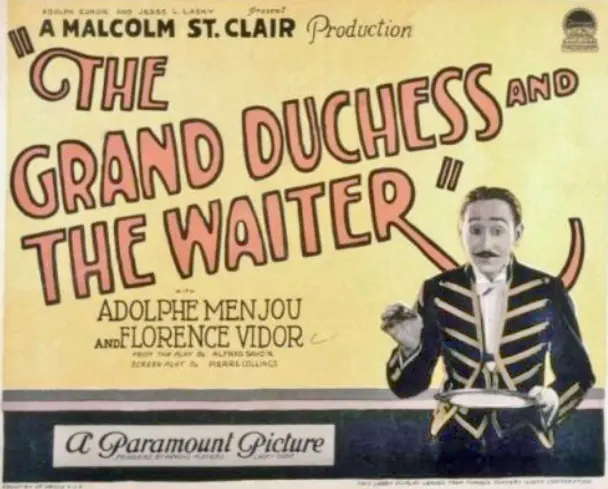
Director's Spotlight: United States
A Deep Dive into the 1926 Vision of Malcolm St. Clair
The enduring fascination with The Grand Duchess and the Waiter is a testament to the defining moment in Comedy history that Malcolm St. Clair helped create. This film stands as a masterclass in visual storytelling, it has cemented its place in the global cult cinema archive.
In The Grand Duchess and the Waiter, Malcolm St. Clair pushes the boundaries of conventional narrative. The film's unique approach to its subject matter has sparked endless debates and interpretations among cinephiles and critics alike.
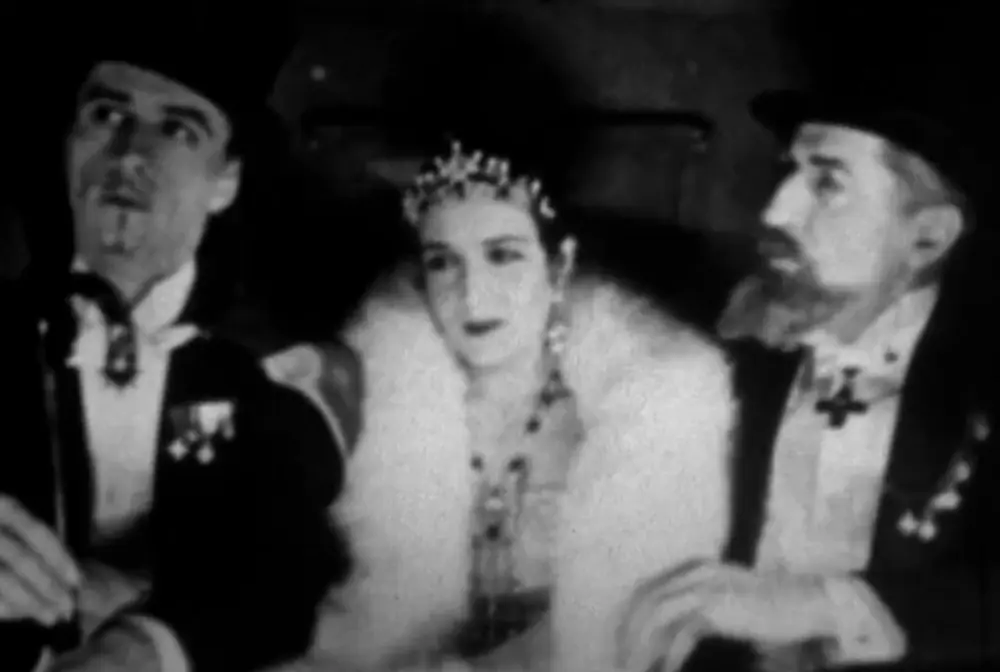
While deeply rooted in United States, The Grand Duchess and the Waiter has achieved a global reach, influencing directors from various backgrounds. Its ability to translate Comedy tropes into a universal cinematic language is why it remains a cult staple decades after its 1926 release.
| Cinematography | Deep Focus |
| Soundtrack | Minimalist |
| Editing | Disjunctive |
| Art Direction | Baroque |
Visualizing the convergence of Malcolm St. Clair's style and the core Comedy narrative.
Young millionaire, Albert Durant, poses as a waiter in order to woo an exiled Grand Duchess. She objects to the attentions of such a lowly suitor, deliberately putting him to work on the most menial tasks for her own amusement, only to find out, quite by accident, that he's a secret millionaire. She and her family vacate their rooms and disappear, embarrassed. When Durant discovers that she has fled; his ardor is by no means cooled, but is it too late?
Decades after its release, The Grand Duchess and the Waiter remains a vital piece of the cinematic puzzle. Its influence can be seen in countless modern works, solidifying Malcolm St. Clair's status as a master of the craft in United States and beyond.