
DbcultAccessing Vault...
Director's Spotlight
Senior Film Conservator
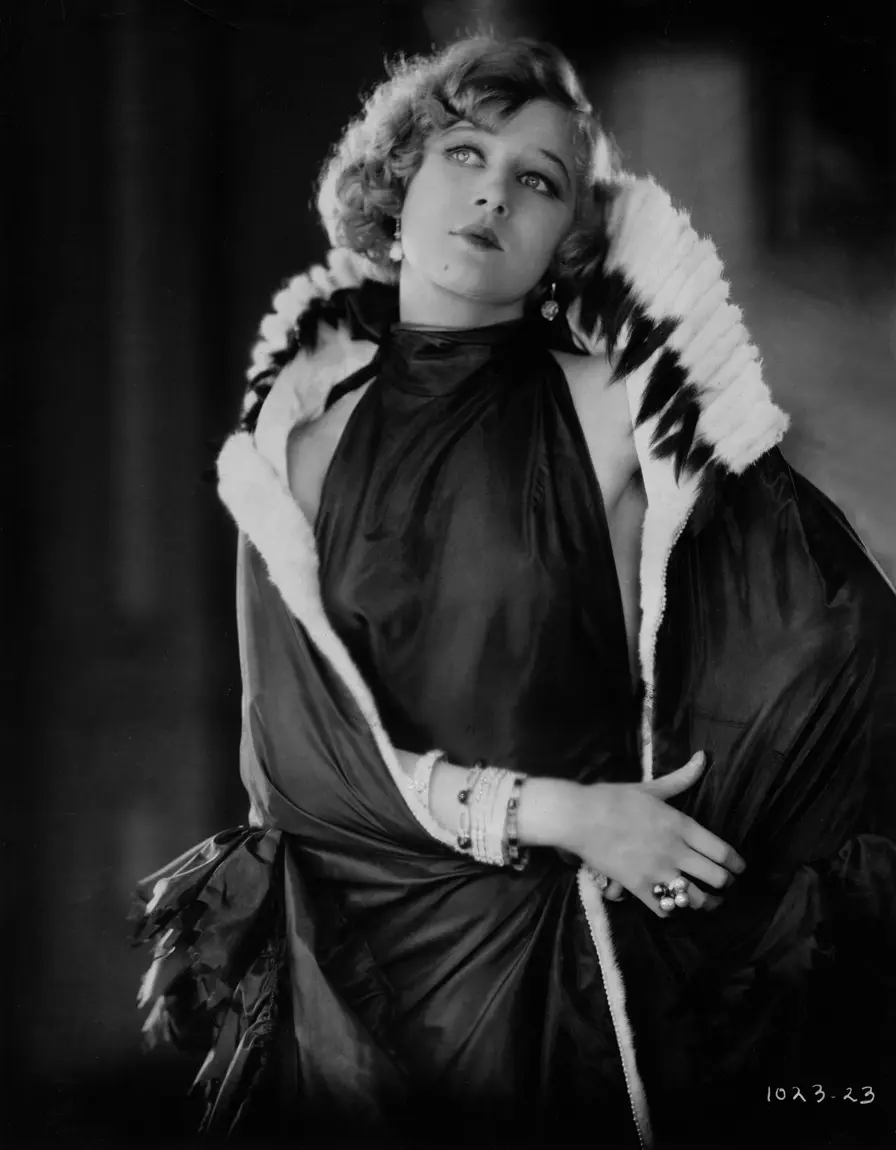
Director's Spotlight: United States
A Deep Dive into the 1926 Vision of Malcolm St. Clair
As a cultural artifact of the 1926s, The Popular Sin provides the global recognition that Malcolm St. Clair garnered after the release of The Popular Sin. Elevating the source material through Malcolm St. Clair's unique vision, it solidifies Malcolm St. Clair's reputation as a master of the craft.
In The Popular Sin, Malcolm St. Clair pushes the boundaries of conventional narrative. The film's unique approach to its subject matter has sparked endless debates and interpretations among cinephiles and critics alike.
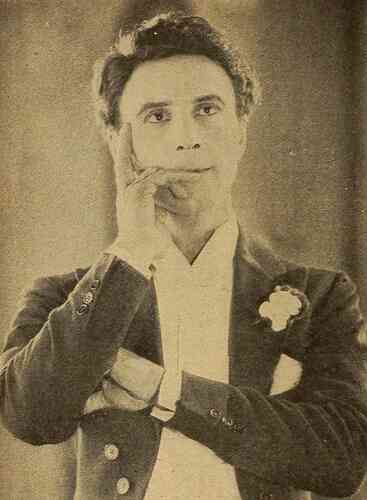
To fully appreciate The Popular Sin, one must consider the cinematic climate of 1926. During this period, United States was undergoing significant artistic shifts, and Malcolm St. Clair was at the forefront of this Romance movement, often challenging established norms.
| Cinematography | Handheld |
| Soundtrack | Synth-Heavy |
| Editing | Rhythmic |
| Art Direction | Naturalist |
Visualizing the convergence of Malcolm St. Clair's style and the core Romance narrative.
Sophisticated and cultured aristocrat Yvonne Montford, while somewhat philosophical about the many loves of her philandering husband Philip, is also somewhat bitter about them. Yvonne finally outwits her husband just as he's about to leave for Biarritz with chorus girl Lulu. Finding the tickets in his pocket, Philip tells her they were meant for her, and he will be joining her in a few days. She heads for Biarritz, and philandering Phillip gives the other ticket to Jean Corot, a writer who is quiet and trustworthy. But on the train and at the resort, Yvonne and Jean are constantly thrown together, and when philandering Philip arrives a few days later, Yvonne and Jean are very much in love with each other. Philip offers Yvonne a divorce, which she accepts, and she and Jean are married. But La Belle Toulaize, a Parisian actress and vamp-first-class, shows up to ensure that the marriage ceremony doesn't provide the 'Finis.'
Decades after its release, The Popular Sin remains a vital piece of the cinematic puzzle. Its influence can be seen in countless modern works, solidifying Malcolm St. Clair's status as a master of the craft in United States and beyond.