
DbcultAccessing Vault...
Director's Spotlight
Senior Film Conservator
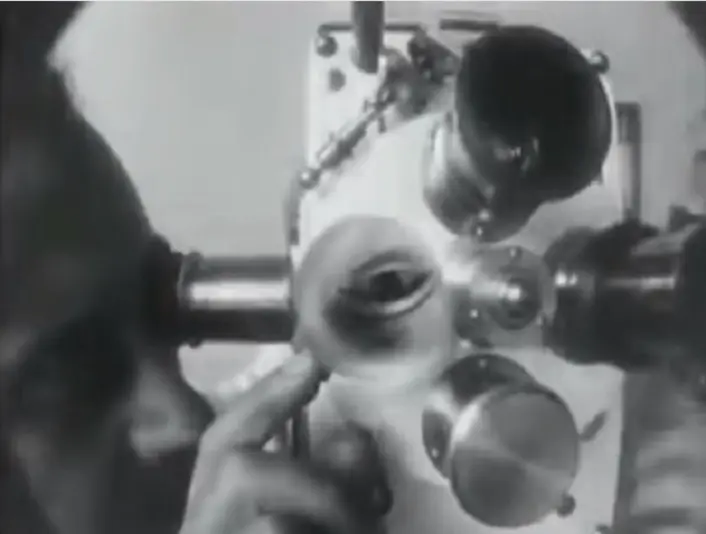
Director's Spotlight: France
A Deep Dive into the 1926 Vision of Man Ray
Exploring the Short underpinnings of Emak-Bakia leads us to the uncompromising vision of Man Ray that defines this Short masterpiece. Melding the raw energy of France with a global Short appeal, it echoes the profound changes occurring in France during that era.
In Emak-Bakia, Man Ray pushes the boundaries of conventional narrative. The film's unique approach to its subject matter has sparked endless debates and interpretations among cinephiles and critics alike.
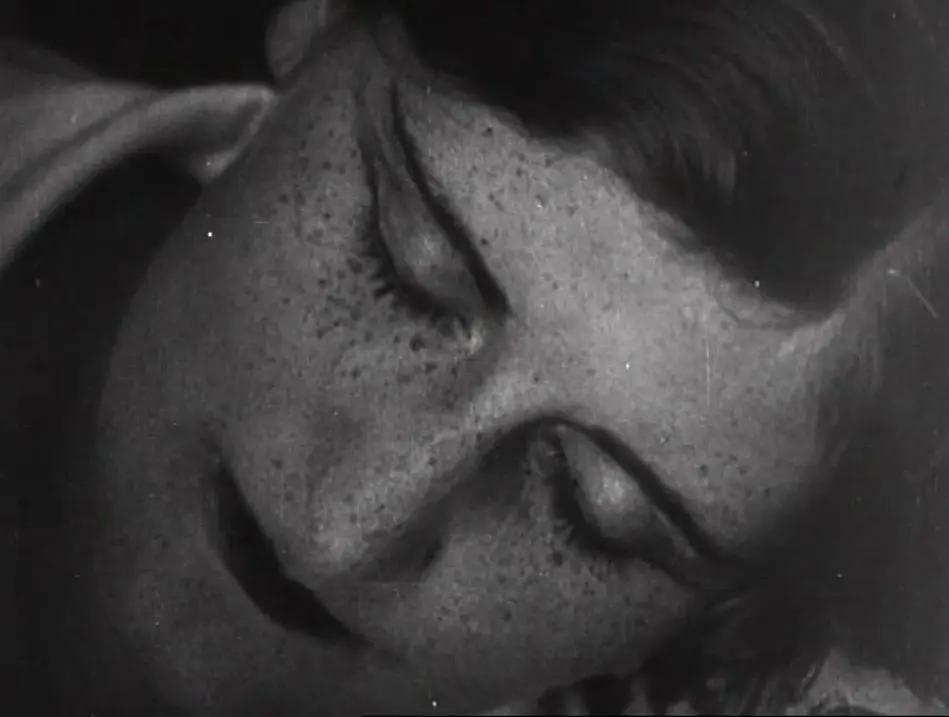
To fully appreciate Emak-Bakia, one must consider the cinematic climate of 1926. During this period, France was undergoing significant artistic shifts, and Man Ray was at the forefront of this Short movement, often challenging established norms.
| Cinematography | Noir-Inspired |
| Soundtrack | Synth-Heavy |
| Editing | Rhythmic |
| Art Direction | Naturalist |
Visualizing the convergence of Man Ray's style and the core Short narrative.
A long series of unrelated images, revolving, often distorted: lights, flowers, nails. A lightboard appears from time to time carrying the news of the day. Then, an eye. A woman in a car drives along country roads. Farm animals. She descends from the car, again and again. Images: dancing legs, seashore, swimming fish, geometric shapes, cut glass. A man removes his starched collar. It rotates. A girl has garishly painted eyes. No, she's only fooling. Those were her eyelids.
Decades after its release, Emak-Bakia remains a vital piece of the cinematic puzzle. Its influence can be seen in countless modern works, solidifying Man Ray's status as a master of the craft in France and beyond.