
DbcultAccessing Vault...
Director's Spotlight
Senior Film Conservator
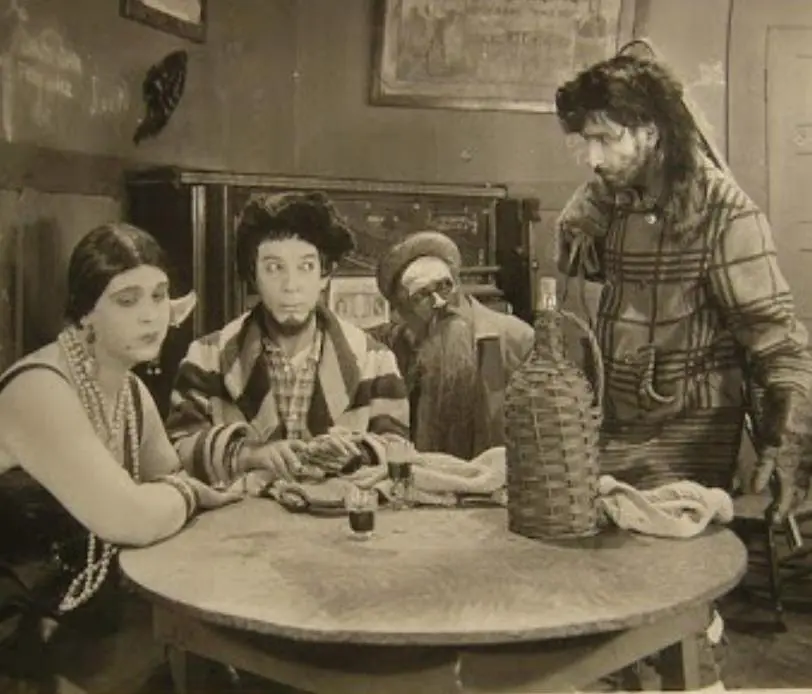
Director's Spotlight: United States
A Deep Dive into the 1925 Vision of Marcel De Sano
The Comedy DNA of Tame Men and Wild Women is a reflection of United States's the subversive storytelling techniques employed by Marcel De Sano in 1925. Breaking the traditional rules of Comedy engagement, it leaves an indelible mark on the soul of the viewer.
In Tame Men and Wild Women, Marcel De Sano pushes the boundaries of conventional narrative. The film's unique approach to its subject matter has sparked endless debates and interpretations among cinephiles and critics alike.
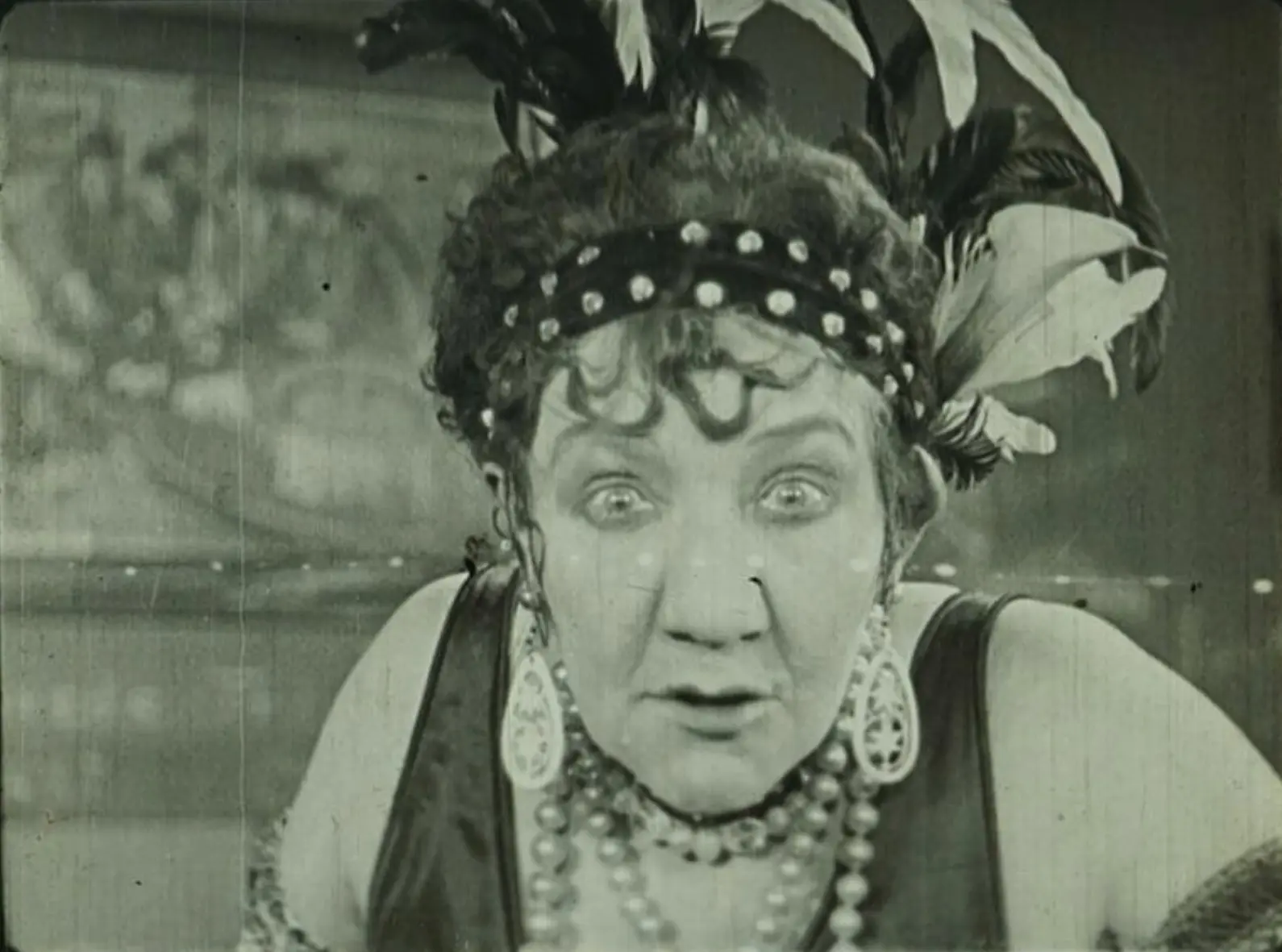
The visual language of Tame Men and Wild Women is defined by its use of shadows and framing, a hallmark of Marcel De Sano's style. By utilizing a 1925-era palette, the film creates an immersive experience that perfectly complements its Comedy themes.
| Cinematography | High-Contrast |
| Soundtrack | Minimalist |
| Editing | Disjunctive |
| Art Direction | Baroque |
Visualizing the convergence of Marcel De Sano's style and the core Comedy narrative.
When thirty-one-year-old Arthur learns from the lips of his mother that "there ain't no Santa Claus," his disillusioned soul begins to see the necessity of feminine companionship, and to safeguard him against the dangers to which his male ancestors had all been exposed, he is sent to a military academy. There he falls in love with the daughter of the General whose regard for the cadet is not what it should be. After many amusing incidents, Arthur gets Marie into the church and all ends happily.
Decades after its release, Tame Men and Wild Women remains a vital piece of the cinematic puzzle. Its influence can be seen in countless modern works, solidifying Marcel De Sano's status as a master of the craft in United States and beyond.