
DbcultAccessing Vault...
Director's Spotlight
Senior Film Conservator
Director's Spotlight: France
A Deep Dive into the 1927 Vision of Marcel L'Herbier
To understand the modern evolution of France film, one must first look at The Devil in the Heart and the collaborative alchemy between Marcel L'Herbier and the 1927 creative team. Subverting the expectations of the typical 1927 audience, it remains a vital reference point for anyone studying the evolution of Marcel L'Herbier.
In The Devil in the Heart, Marcel L'Herbier pushes the boundaries of conventional narrative. The film's unique approach to its subject matter has sparked endless debates and interpretations among cinephiles and critics alike.
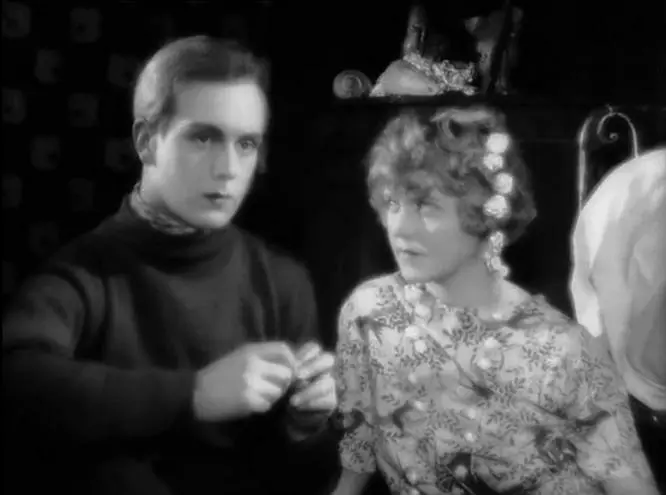
To fully appreciate The Devil in the Heart, one must consider the cinematic climate of 1927. During this period, France was undergoing significant artistic shifts, and Marcel L'Herbier was at the forefront of this Drama movement, often challenging established norms.
| Cinematography | High-Contrast |
| Soundtrack | Diegetic |
| Editing | Elliptical |
| Art Direction | Expressionist |
Visualizing the convergence of Marcel L'Herbier's style and the core Drama narrative.
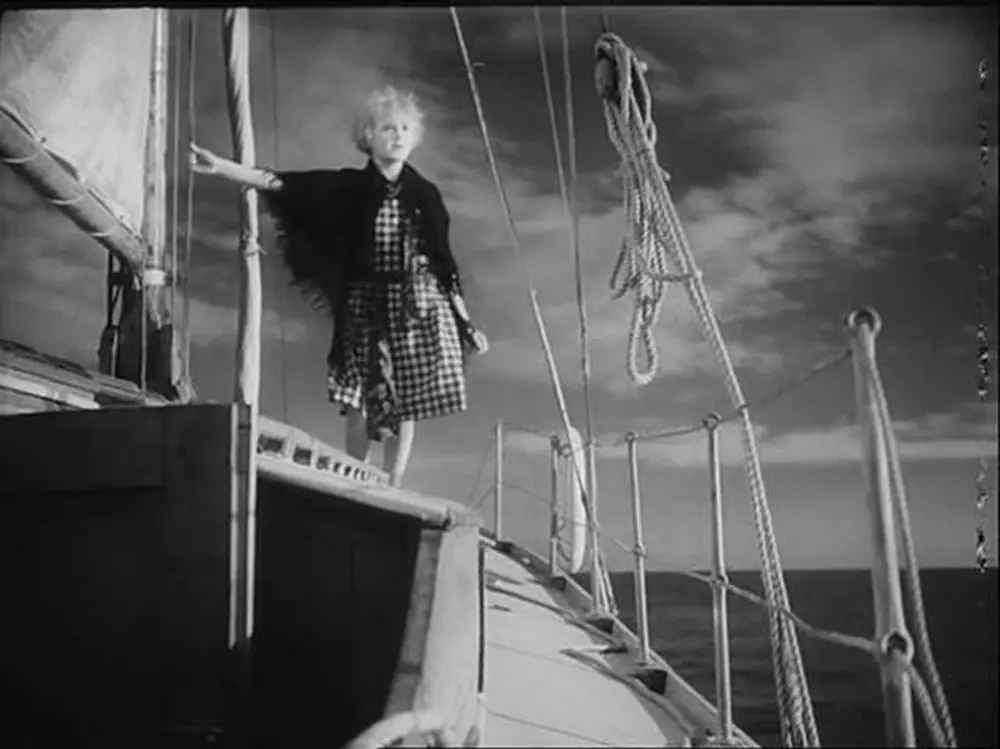
Ludivine Bucaille stupidly wishes that Leherg and his son Delphin both die at sea. Amazingly, Leherg actually is lost at sea but his son somehow survives. His mother subsequently dies of sorrow. Remorseful, Ludivine gets her parents to take Delphin in their care. She makes sure the house is nice and tidy. Delphin and Ludivine grow to love each other and eventually get engaged. But father Bucaille, a drunk, wants Ludivine to marry Lauderin, the owner of a bar. Ludivine, in a moment of jealousy, thinking that Delphin has cheated on her, accepts. As Delpin plans on leaving the country the day after the engagement, Ludivine takes a boat to meet him. Lauderin sneaks into the boat and, as a storm hits it, he attempts to rape her. Delphin comes to the rescue. The two lovers can now unite.
Decades after its release, The Devil in the Heart remains a vital piece of the cinematic puzzle. Its influence can be seen in countless modern works, solidifying Marcel L'Herbier's status as a master of the craft in France and beyond.