
DbcultAccessing Vault...
Director's Spotlight
Senior Film Conservator
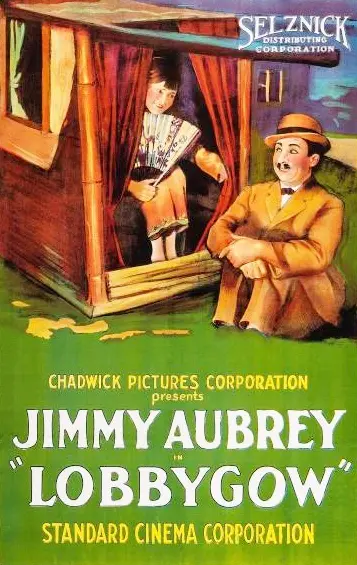
Director's Spotlight: United States
A Deep Dive into the 1923 Vision of Marcel Perez
The artistic breakthrough represented by The Lobbygow in 1923 highlights the uncompromising vision of Marcel Perez that defines this Comedy masterpiece. In the context of United States's rich cinematic history, it captures a specific kind of cinematic magic that is rarely replicated.
In The Lobbygow, Marcel Perez pushes the boundaries of conventional narrative. The film's unique approach to its subject matter has sparked endless debates and interpretations among cinephiles and critics alike.
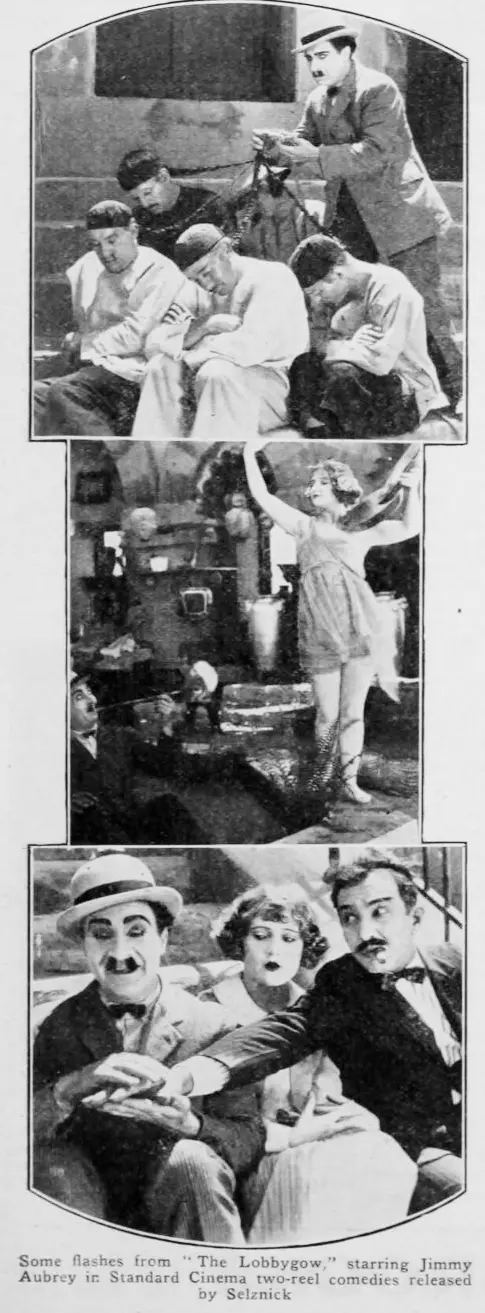
The visual language of The Lobbygow is defined by its use of shadows and framing, a hallmark of Marcel Perez's style. By utilizing a 1923-era palette, the film creates an immersive experience that perfectly complements its Comedy themes.
| Cinematography | Static |
| Soundtrack | Orchestral |
| Editing | Invisible |
| Art Direction | Kitsch |
Visualizing the convergence of Marcel Perez's style and the core Comedy narrative.
The film takes us to China, where Aubrey gets mixed up with a celestial moonlighter, has a love affair, is chased, is blown up, and awakes to find he's been dreaming.
Decades after its release, The Lobbygow remains a vital piece of the cinematic puzzle. Its influence can be seen in countless modern works, solidifying Marcel Perez's status as a master of the craft in United States and beyond.