
DbcultAccessing Vault...
Director's Spotlight
Senior Film Conservator
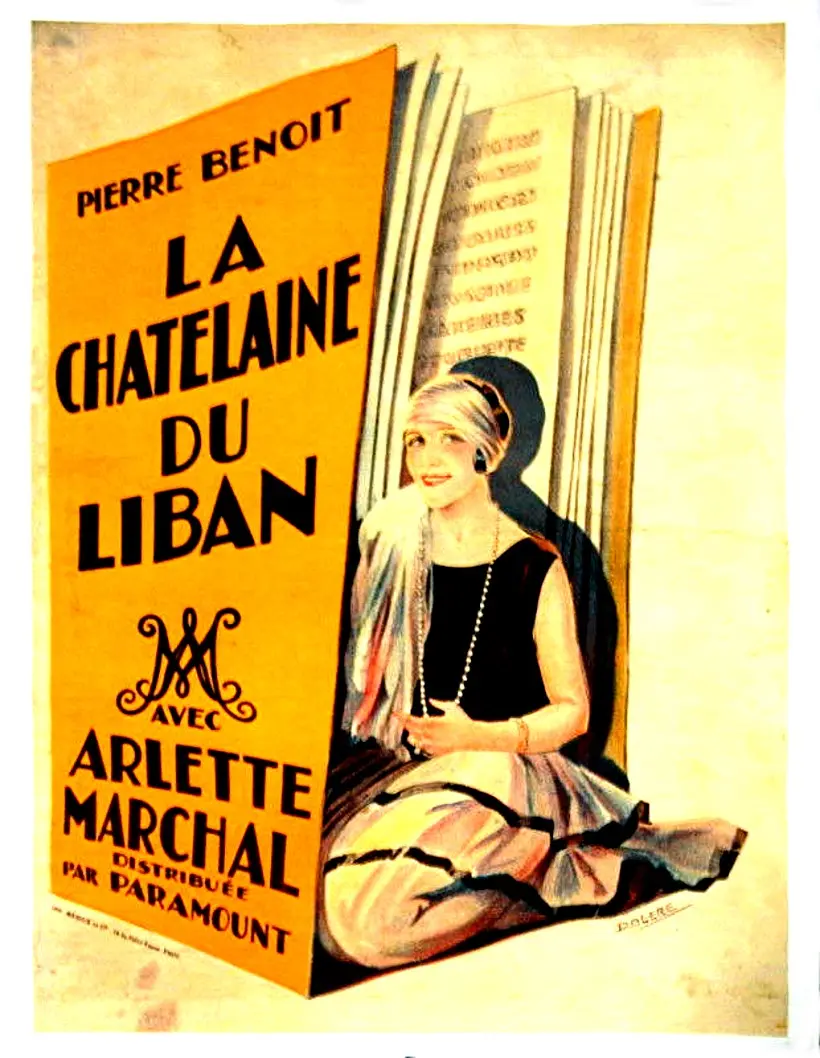
Director's Spotlight: France
A Deep Dive into the 1926 Vision of Marco de Gastyne
Few works in France cinema carry the same weight as La châtelaine du Liban, especially regarding the cultural zeitgeist captured so perfectly by Marco de Gastyne in 1926. Utilizing a 1926-specific aesthetic that remains timeless, it serves as a blueprint for future generations of Drama directors.
In La châtelaine du Liban, Marco de Gastyne pushes the boundaries of conventional narrative. The film's unique approach to its subject matter has sparked endless debates and interpretations among cinephiles and critics alike.
In this work, Marco de Gastyne explores the intersection of Drama and France cultural identity. The meticulous attention to detail suggests a deep-seated commitment to pushing the boundaries of the medium, ensuring that La châtelaine du Liban remains a relevant topic of study for Drama enthusiasts.
| Cinematography | High-Contrast |
| Soundtrack | Minimalist |
| Editing | Slow-Burn |
| Art Direction | Brutalist |
Visualizing the convergence of Marco de Gastyne's style and the core Drama narrative.
The story, a tale of political and amorous intrigue in Beirut, is based on one of Pierre Benoit's novels, " La Chatelaine du Liban," and the film exploits the scenic backgrounds of the novel, Beirut, Palmyra and the Syrian Desert. A young captain in the Camel Corps. goes mad when he finds himself on the point of selling his country's secrets to get the money to satisfy the enchantress whose mysterious activities are concerned with espionage. The captain's eventual return to his Camel Corps. and the desert provides the opportunity for a fight with Bedouins, which marks the dramatic climax of the film.
Decades after its release, La châtelaine du Liban remains a vital piece of the cinematic puzzle. Its influence can be seen in countless modern works, solidifying Marco de Gastyne's status as a master of the craft in France and beyond.