
DbcultAccessing Vault...
Director's Spotlight
Senior Film Conservator
Director's Spotlight: Germany
A Deep Dive into the 1927 Vision of Mario Bonnard
Few works in Germany cinema carry the same weight as Der goldene Abgrund, especially regarding the technical innovation that Mario Bonnard introduced to the Drama format. Subverting the expectations of the typical 1927 audience, it bridges the gap between traditional Drama and contemporary vision.
In Der goldene Abgrund, Mario Bonnard pushes the boundaries of conventional narrative. The film's unique approach to its subject matter has sparked endless debates and interpretations among cinephiles and critics alike.
While deeply rooted in Germany, Der goldene Abgrund has achieved a global reach, influencing directors from various backgrounds. Its ability to translate Drama tropes into a universal cinematic language is why it remains a cult staple decades after its 1927 release.
| Cinematography | Noir-Inspired |
| Soundtrack | Synth-Heavy |
| Editing | Disjunctive |
| Art Direction | Baroque |
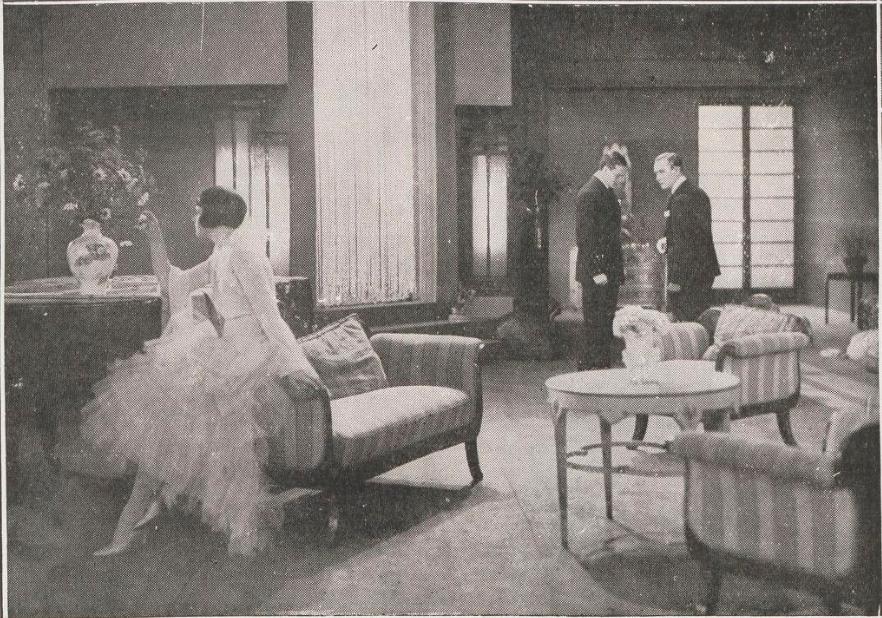
Visualizing the convergence of Mario Bonnard's style and the core Drama narrative.
The sisters Jola and Claire are saved from a burning ship, the former is brought up by a priest on a volcanic island ; the latter reaches Paris and becomes a plunderer of men. Her ruined lover is saved from suicide by an eccentric doctor who organizes a treasure-hunt expedition. They reach the island ; the last remnant of submerged Atlantis. Here the disconsolate one encounters Jola, the image of his lost love. The adventurers are attacked by escaped convicts. The volcano, long quiescent, erupts. The wicked perish. The lovers, with wealth incalculable, escape to Paris.
Decades after its release, Der goldene Abgrund remains a vital piece of the cinematic puzzle. Its influence can be seen in countless modern works, solidifying Mario Bonnard's status as a master of the craft in Germany and beyond.