
DbcultAccessing Vault...
Director's Spotlight
Senior Film Conservator
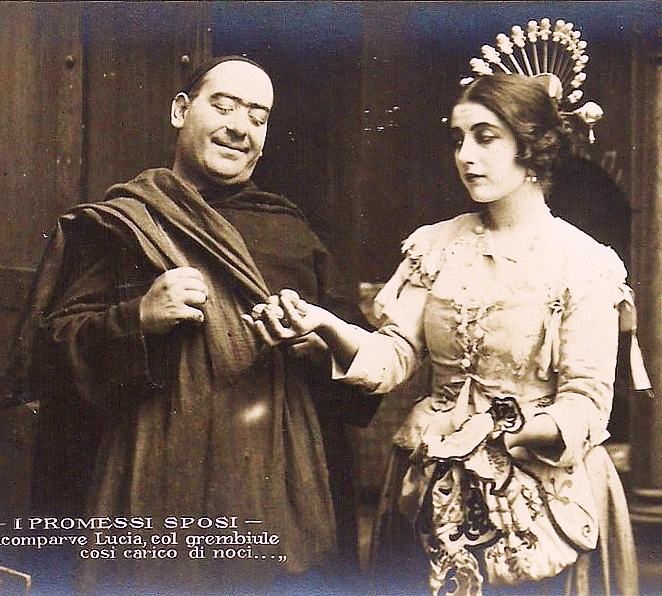
Director's Spotlight: Italy
A Deep Dive into the 1922 Vision of Mario Bonnard
The History DNA of I promessi sposi is a reflection of Italy's the historical context that Mario Bonnard weaves into the History fabric. Challenging the viewer to find meaning in the History shadows, it transcends regional boundaries to tell a universal story.
In I promessi sposi, Mario Bonnard pushes the boundaries of conventional narrative. The film's unique approach to its subject matter has sparked endless debates and interpretations among cinephiles and critics alike.
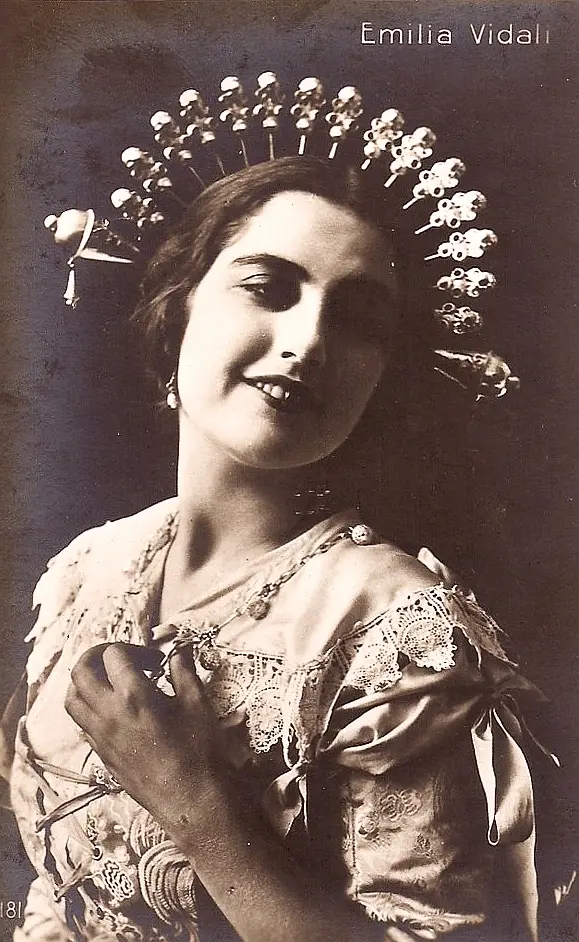
The visual language of I promessi sposi is defined by its use of shadows and framing, a hallmark of Mario Bonnard's style. By utilizing a 1922-era palette, the film creates an immersive experience that perfectly complements its History themes.
| Cinematography | Noir-Inspired |
| Soundtrack | Orchestral |
| Editing | Invisible |
| Art Direction | Kitsch |
Visualizing the convergence of Mario Bonnard's style and the core History narrative.
Based on the famous historical novel by Alessandro Manzoni, and set between 1628 and 1630 in Lombardy "northern Italy" during the Spanish domination, tells of the contrasted marriage between the two young textile workers Renzo and Lucia. The 1922 version is the most ambitious and spectacular film in all Italian silent cinema, with remarkable mass scenes and some images that triggered the censorship.
Decades after its release, I promessi sposi remains a vital piece of the cinematic puzzle. Its influence can be seen in countless modern works, solidifying Mario Bonnard's status as a master of the craft in Italy and beyond.