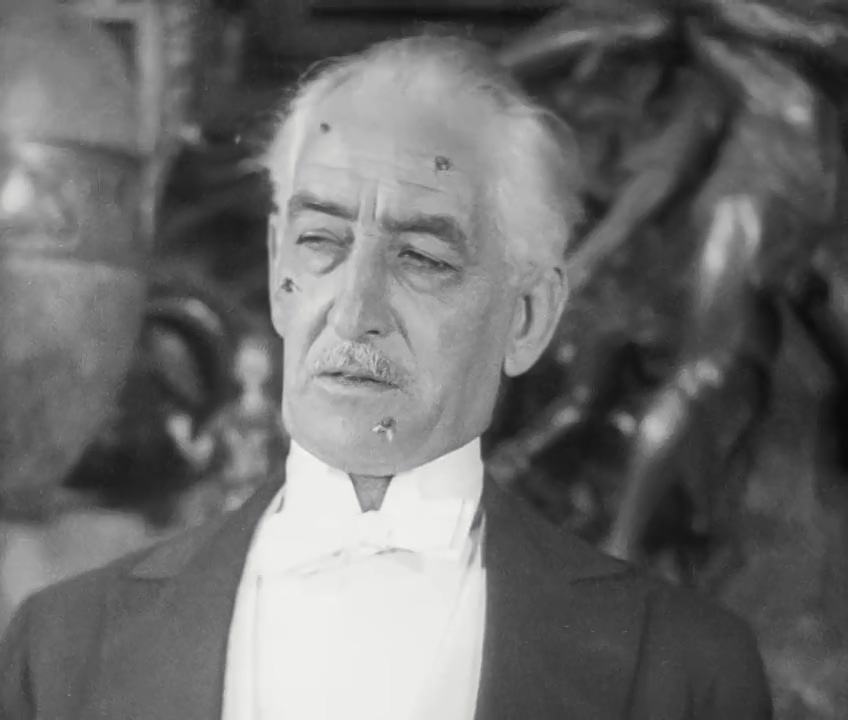
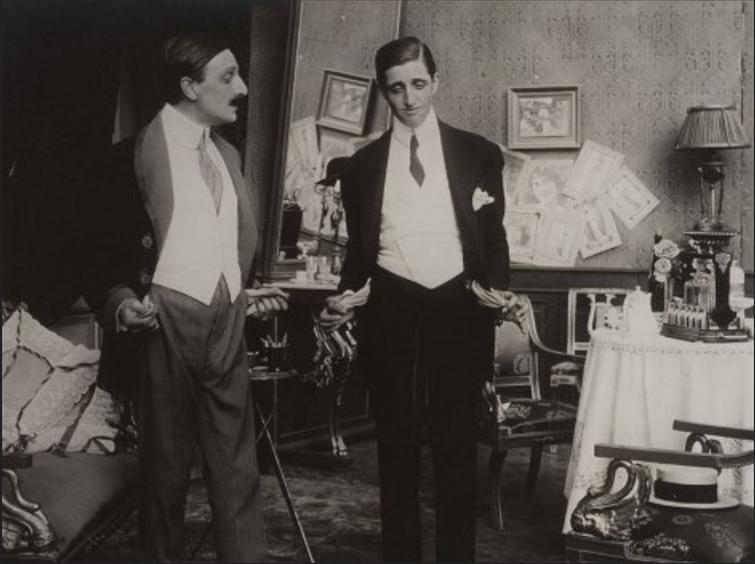
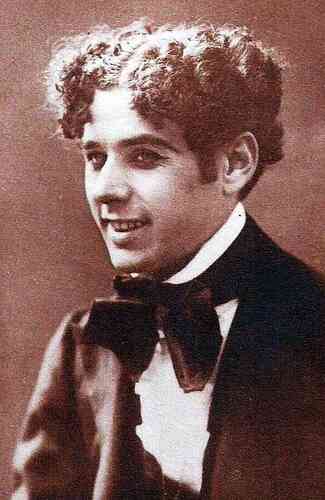
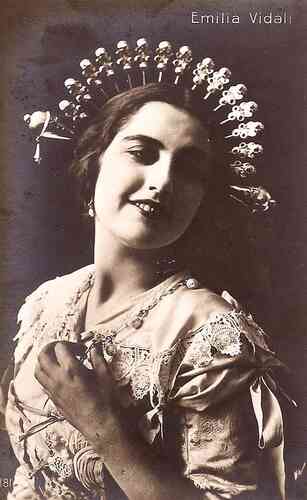
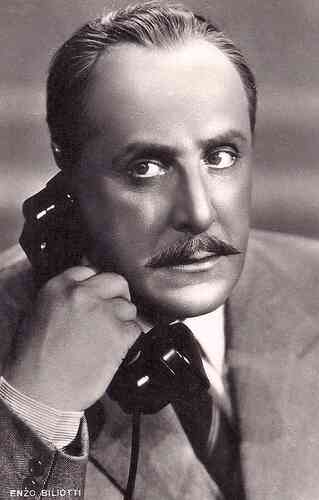
Based on the famous historical novel by Alessandro Manzoni, and set between 1628 and 1630 in Lombardy "northern Italy" during the Spanish domination, tells of the contrasted marriage between the two young textile workers Renzo and Lucia. The 1922 version is the most ambitious and spectacular film in all Italian silent cinema, with remarkable mass scenes and some images that triggered the censorship.
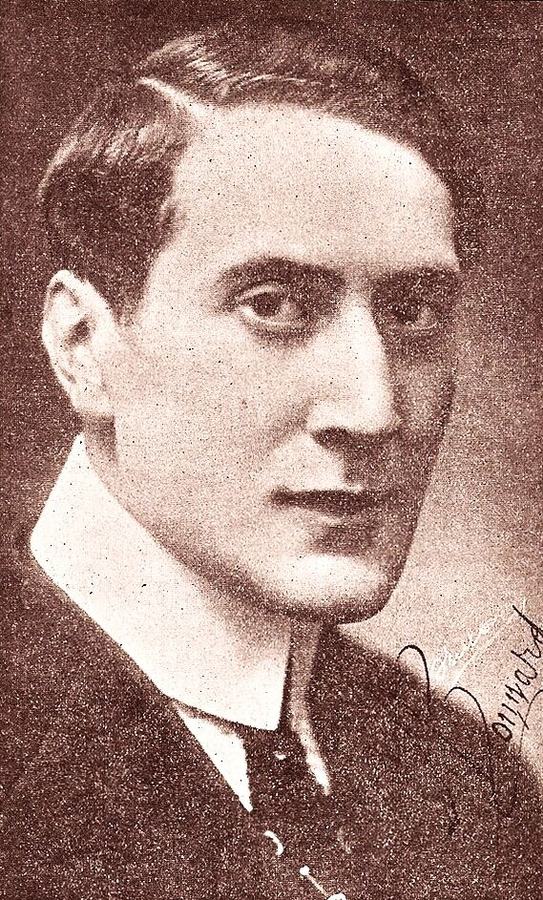
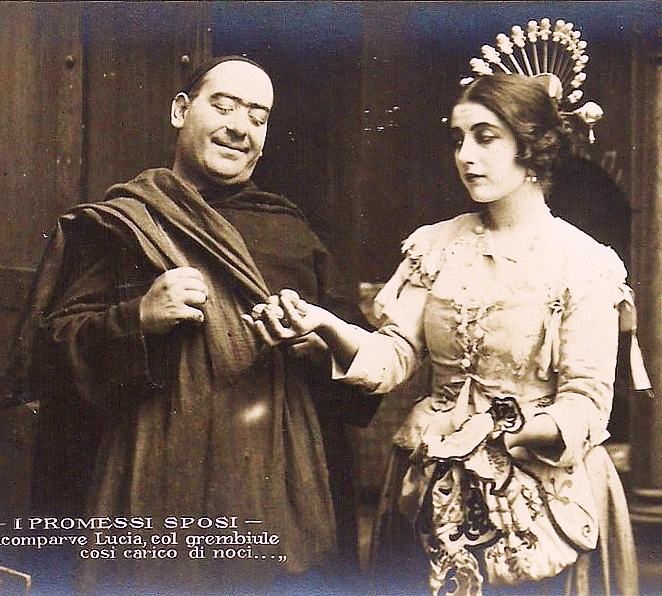
The first time you see Renzo’s silhouette scaling the empty night streets of Lecco, you understand that Mario Bonnard’s 1922 adaptation is not content with merely retelling Italy’s national novel—it wants to inhabit its bloodstream. A thunderous intertitle slams onto the screen: "Il potere dei forti si nutre dei sogni...
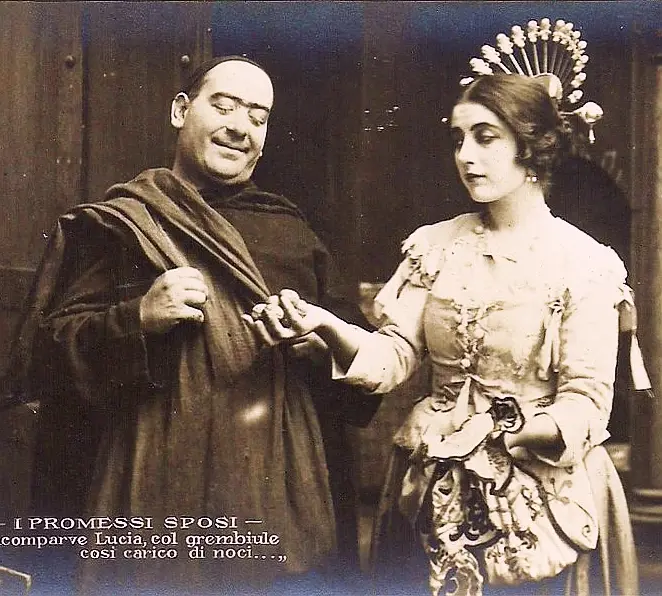
still_frame
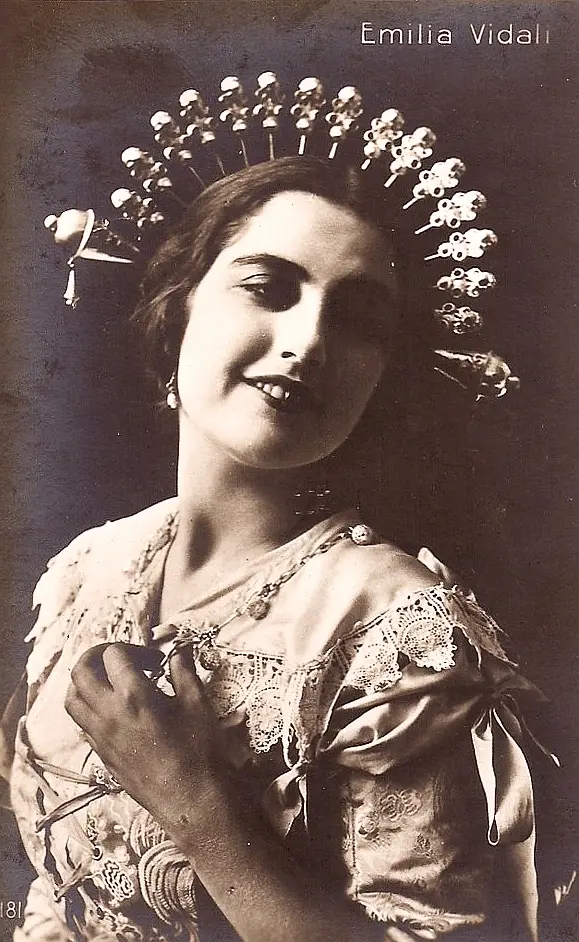
publicity
Comparing the cinematic DNA and archive impact of two defining moments in cult history.
Mario Bonnard
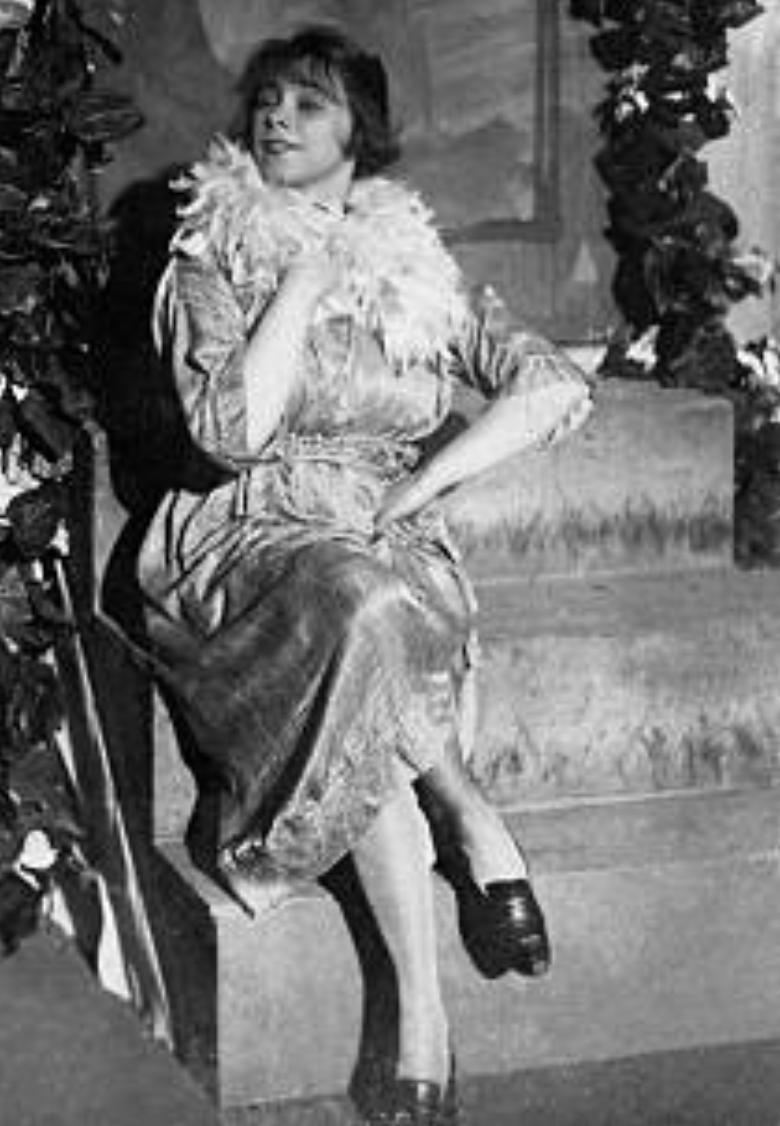
Bruno Ziener
Community
Log in to comment.
" The first time you see Renzo’s silhouette scaling the empty night streets of Lecco, you understand that Mario Bonnard’s 1922 adaptation is not content with merely retelling Italy’s national novel—it wants to inhabit its bloodstream. A thunderous intertitle slams onto the screen: "Il potere dei forti si nutre dei sogni dei deboli." In that instant, the film declares its manifesto—power is photogenic, oppression cinematic, and hope a flicker begging for close-up. Shot when Mussolini’s Blackshirts..."
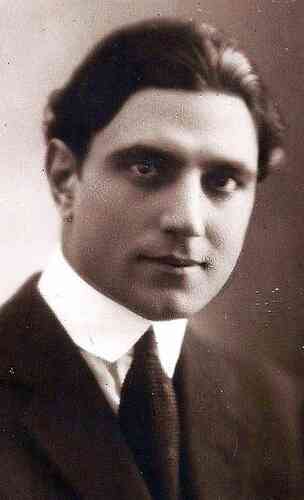
Mario Parpagnoli
Alessandro Manzoni, Mario Bonnard
Italy
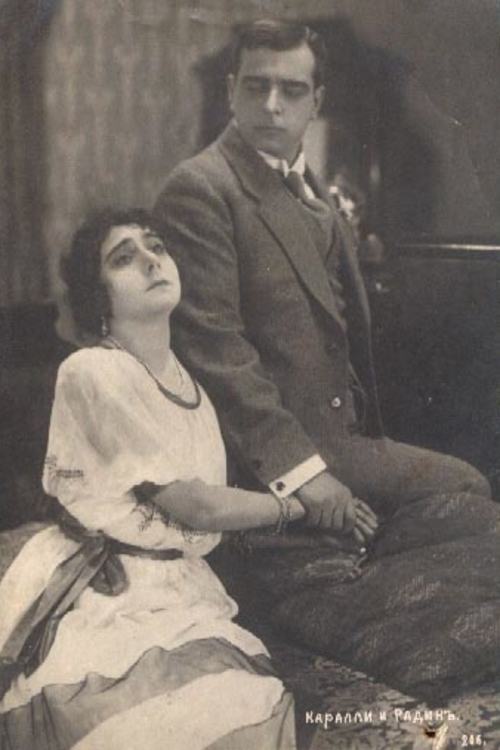
Deep dive into the cult classic
Discover similar cinematic experiences
A Directorial Spotlight on Mario Bonnard