
DbcultAccessing Vault...
Director's Spotlight
Senior Film Conservator
Director's Spotlight: United States
A Deep Dive into the 1917 Vision of Marshall Farnum
The artistic breakthrough represented by The Tides of Fate in 1917 highlights the philosophical inquiries that Marshall Farnum embeds within the narrative. Framed by the hauntingly beautiful landscapes of the production, it leaves an indelible mark on the soul of the viewer.
In The Tides of Fate, Marshall Farnum pushes the boundaries of conventional narrative. The film's unique approach to its subject matter has sparked endless debates and interpretations among cinephiles and critics alike.
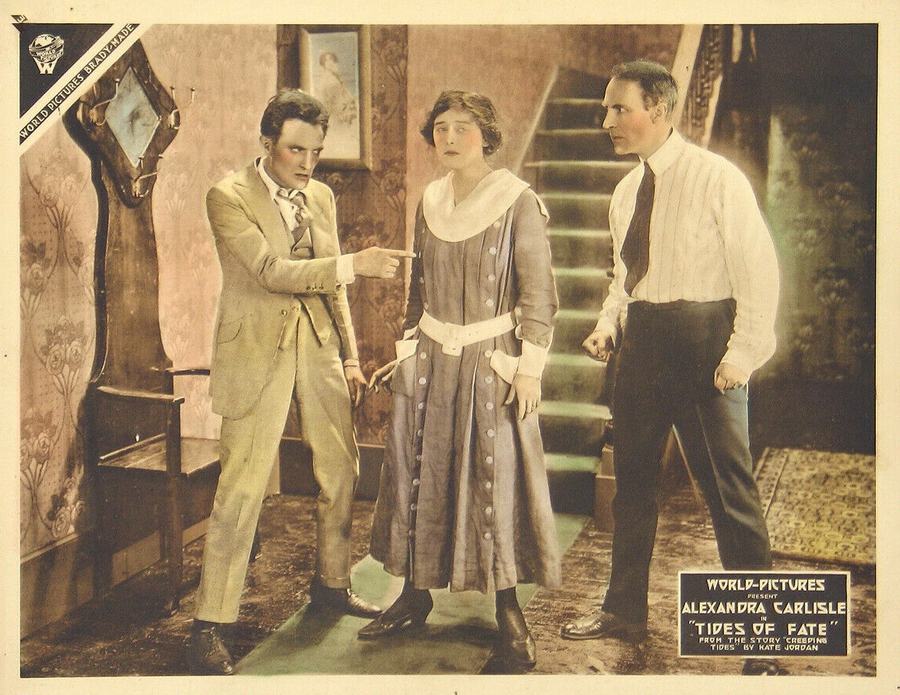
While deeply rooted in United States, The Tides of Fate has achieved a global reach, influencing directors from various backgrounds. Its ability to translate cult tropes into a universal cinematic language is why it remains a cult staple decades after its 1917 release.
| Cinematography | High-Contrast |
| Soundtrack | Orchestral |
| Editing | Invisible |
| Art Direction | Kitsch |
Visualizing the convergence of Marshall Farnum's style and the core cult narrative.
Fanny Lawson falls in love with Stephen King, the man who pulled her from the river after her runaway horse plunged into the icy waters. Forsaking the love of Canadian Mounted Policeman John Cross, Fanny marries Stephen and moves to the city. King turns out to be an experienced counterfeiter, who soon tires of Fanny and leaves her. When government agents later search her apartment, they discover King's plates and send Fanny to jail as an accomplice. Meanwhile John Cross, court-martialed for alleged cowardice, enlists in the United States Army for service in the Philippines. Redeeming his honor in war, he returns to New York wounded, where he again meets Fanny and the two fall in love. When King reappears, he becomes insanely jealous, starts trouble and is fatally shot by the police during a melee. Before he dies, he clears Fanny's name, thus freeing her to marry Cross.
Decades after its release, The Tides of Fate remains a vital piece of the cinematic puzzle. Its influence can be seen in countless modern works, solidifying Marshall Farnum's status as a master of the craft in United States and beyond.