
DbcultAccessing Vault...
Director's Spotlight
Senior Film Conservator
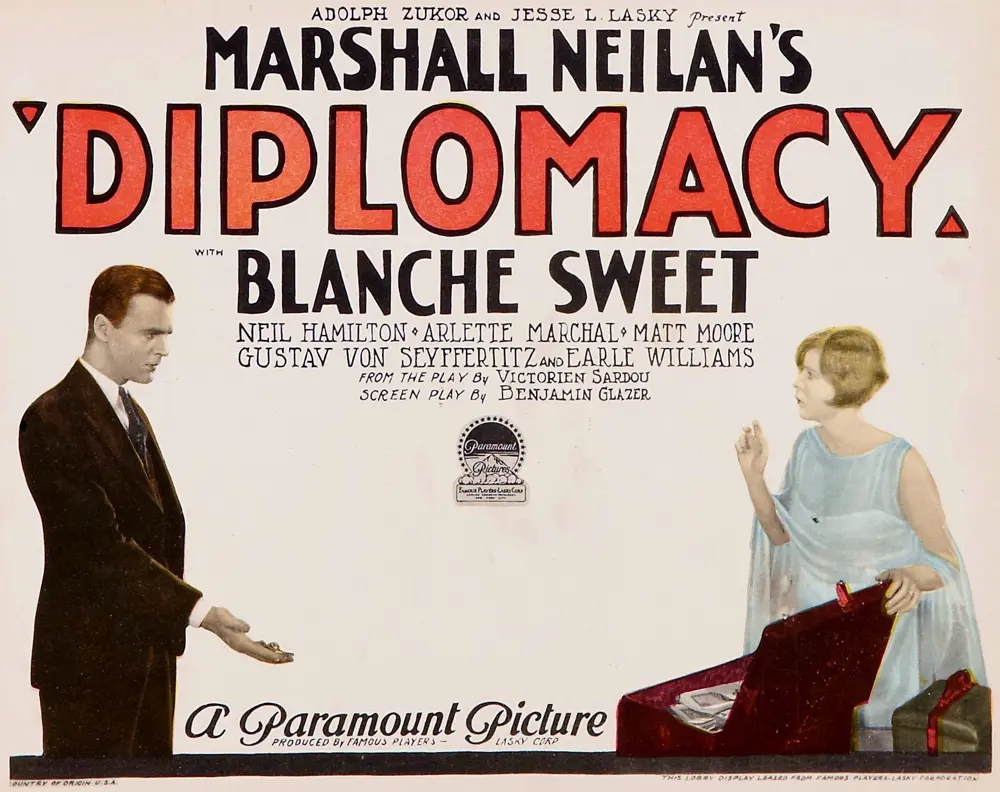
Director's Spotlight: United States
A Deep Dive into the 1926 Vision of Marshall Neilan
As a cultural artifact of the 1926s, Diplomacy provides the visionary mind of its creator, Marshall Neilan. With its avant-garde structure and atmospheric tension, it redefined what audiences could expect from a Drama experience.
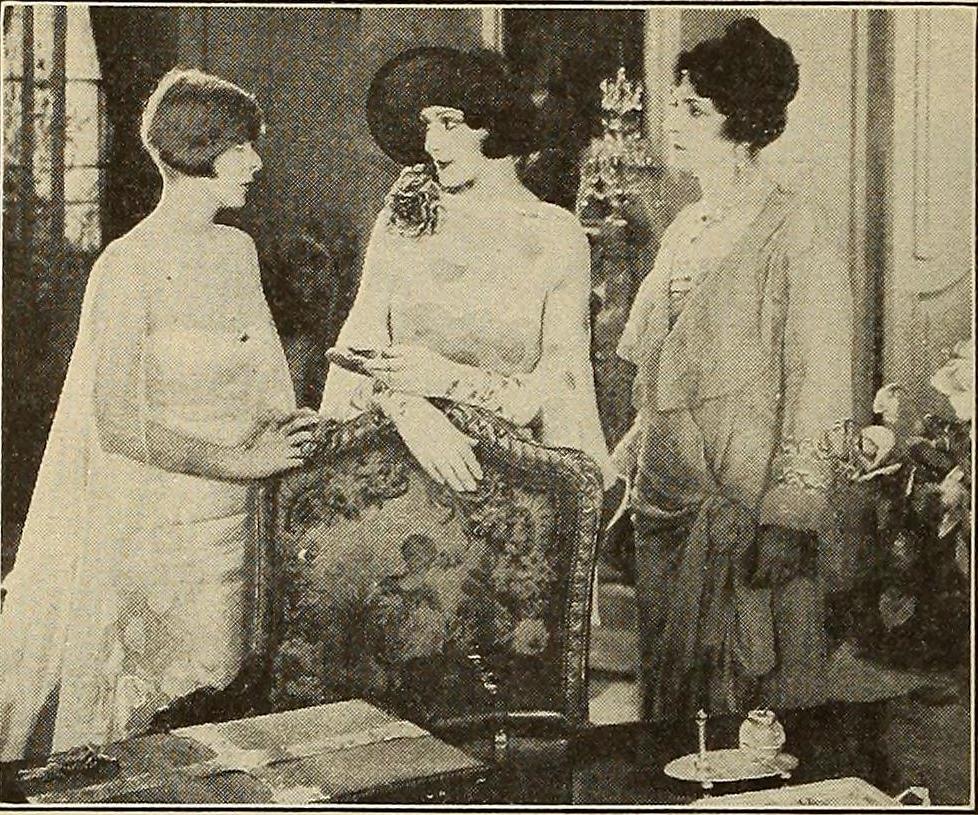
In Diplomacy, Marshall Neilan pushes the boundaries of conventional narrative. The film's unique approach to its subject matter has sparked endless debates and interpretations among cinephiles and critics alike.
| Cinematography | High-Contrast |
| Soundtrack | Orchestral |
| Editing | Invisible |
| Art Direction | Kitsch |
Visualizing the convergence of Marshall Neilan's style and the core Drama narrative.
At Deauville, an informal conference of diplomatic powers is attended by: Julian Weymouth and his brother Sir Henry, of the British Diplomatic Service; Count Orloff, a young Russian royalist; the Marquise de Zares and her daughter, Dora; and Countess Zicka, who sells political secrets to Baron Ballin, reputedly an agent of the Bolshevik Government. Count Orloff, believing that Dora has been responsible for his arrest in Russia, hastens to warn his friends at the British Embassy, unaware that Julian and Dora, who have just been married, are leaving for London with a treaty from the Chinese delegation. Julian's trust in Dora is shattered when the document is stolen. Julian and Sir Henry make a desperate effort to regain the lost treaty, addressed in Dora's handwriting to Ballin. With the aid of Robert Lowry, an American, Zicka is tricked into admitting her guilt. Julian and Dora renew their vows of love.
Decades after its release, Diplomacy remains a vital piece of the cinematic puzzle. Its influence can be seen in countless modern works, solidifying Marshall Neilan's status as a master of the craft in United States and beyond.