
DbcultAccessing Vault...
Director's Spotlight
Senior Film Conservator
Director's Spotlight: United States
A Deep Dive into the 1919 Vision of Marshall Neilan
The artistic breakthrough represented by In Old Kentucky in 1919 highlights the uncompromising vision of Marshall Neilan that defines this cult masterpiece. In the context of United States's rich cinematic history, it captures a specific kind of cinematic magic that is rarely replicated.
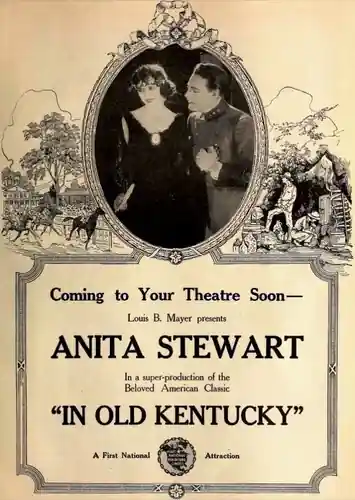
In In Old Kentucky, Marshall Neilan pushes the boundaries of conventional narrative. The film's unique approach to its subject matter has sparked endless debates and interpretations among cinephiles and critics alike.
| Cinematography | High-Contrast |
| Soundtrack | Diegetic |
| Editing | Rhythmic |
| Art Direction | Naturalist |
Visualizing the convergence of Marshall Neilan's style and the core cult narrative.
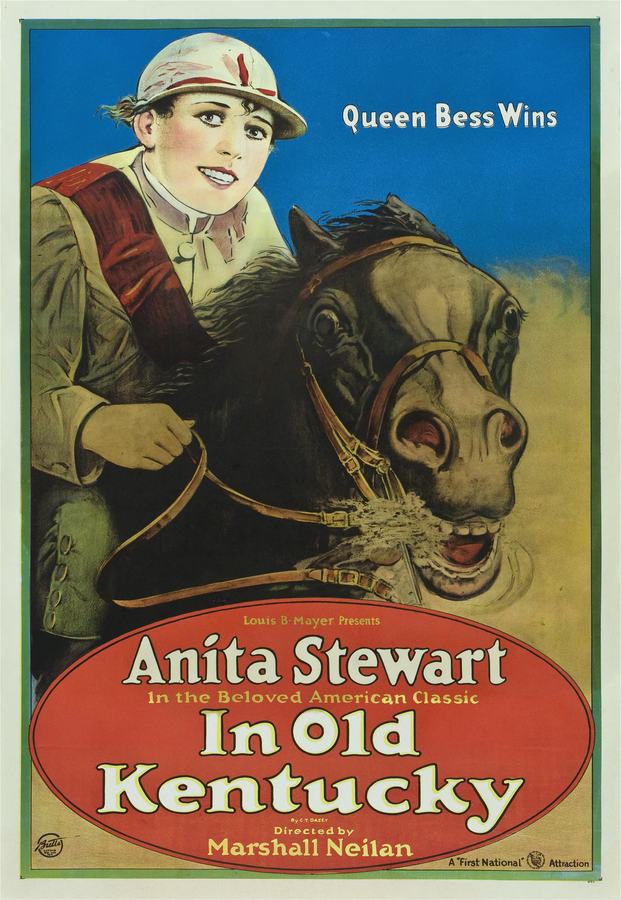
Illiterate Blue Ridge Mountain girl Madge Brierly falls in love with vacationing Blue Grass aristocrat Frank Layson, when he stops Horace Holten from defrauding her of her coal-rich lands. For revenge, Holten tells moonshiner Joe Lorey, who loves Madge, that Frank is a revenue officer. After Madge rescues Frank from Joe's attack, they go to Frank's home, where he teaches her reading and writing, and she rescues his racehorse, Queen Bess, from a fire set by Holten. Because Frank has nearly all of his family's money riding on the big Kentucky race, Holten gets Frank's jockey drunk. Madge, discovering this, disguises herself and rides Queen Bess to victory. She leaves for home unnoticed, and comes across the Night Riders chasing Lorey. After she persuades them that Holten killed her father years earlier, and was responsible for Lorey's attack, they chase Holten who falls from a mountain and dies. Years later, Madge's and Frank's children play at feuding.
Decades after its release, In Old Kentucky remains a vital piece of the cinematic puzzle. Its influence can be seen in countless modern works, solidifying Marshall Neilan's status as a master of the craft in United States and beyond.