
DbcultAccessing Vault...
Director's Spotlight
Senior Film Conservator
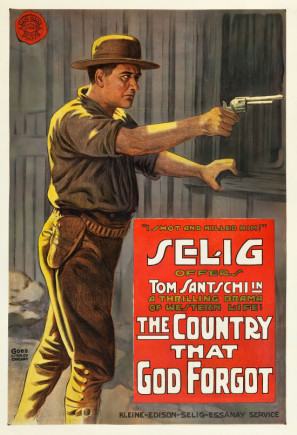
Director's Spotlight: United States
A Deep Dive into the 1916 Vision of Marshall Neilan
To understand the modern evolution of United States film, one must first look at The Country That God Forgot and the collaborative alchemy between Marshall Neilan and the 1916 creative team. Subverting the expectations of the typical 1916 audience, it remains a vital reference point for anyone studying the evolution of Marshall Neilan.
In The Country That God Forgot, Marshall Neilan pushes the boundaries of conventional narrative. The film's unique approach to its subject matter has sparked endless debates and interpretations among cinephiles and critics alike.
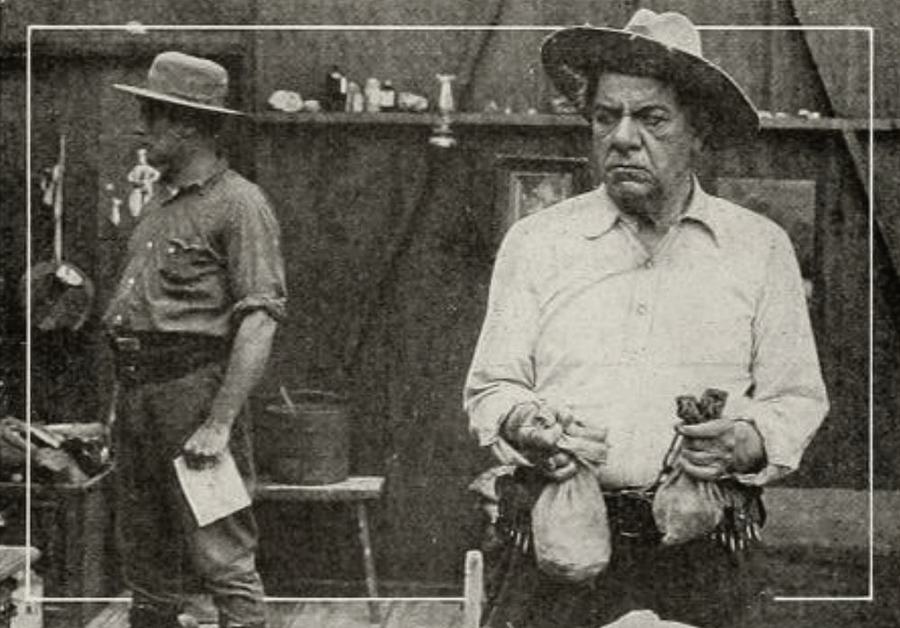
The visual language of The Country That God Forgot is defined by its use of shadows and framing, a hallmark of Marshall Neilan's style. By utilizing a 1916-era palette, the film creates an immersive experience that perfectly complements its cult themes.
| Cinematography | High-Contrast |
| Soundtrack | Orchestral |
| Editing | Invisible |
| Art Direction | Kitsch |
Visualizing the convergence of Marshall Neilan's style and the core cult narrative.
After years of mining, Steve Brant finally strikes it rich and plans to use his new fortune to give his wife Helen all of the things that she has had to do without. Helen, however, is already fed up with her lifestyle, so she agrees to run away with the mysterious Craig Wells. Even the elopement cannot change Steve's plans and he sends Helen a package filled with money. The gesture makes her realize how much she loves Steve, and she insists on turning back, but Craig, who is wanted for stealing government funds, refuses. Helen and Craig fight, and during the struggle, she is shot accidentally, after which Craig deserts her. Eventually, Steve finds Helen and nurses her back to health, while the authorities capture Craig and hang him.
Decades after its release, The Country That God Forgot remains a vital piece of the cinematic puzzle. Its influence can be seen in countless modern works, solidifying Marshall Neilan's status as a master of the craft in United States and beyond.