
DbcultAccessing Vault...
Director's Spotlight
Senior Film Conservator
Director's Spotlight: United States
A Deep Dive into the 1917 Vision of Martin Justice
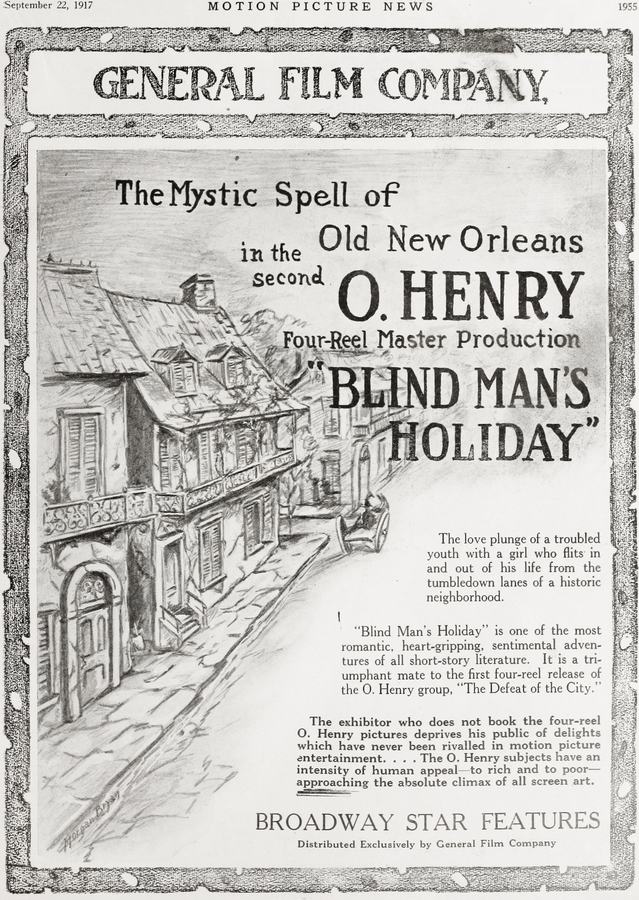
The brilliance of Blind Man's Holiday (1917) is inseparable from the visionary mind of its creator, Martin Justice. Serving as a mirror to the anxieties of a changing world, it persists as a haunting reminder of our own cinematic history.
In Blind Man's Holiday, Martin Justice pushes the boundaries of conventional narrative. The film's unique approach to its subject matter has sparked endless debates and interpretations among cinephiles and critics alike.
| Cinematography | Noir-Inspired |
| Soundtrack | Diegetic |
| Editing | Elliptical |
| Art Direction | Expressionist |
Visualizing the convergence of Martin Justice's style and the core cult narrative.
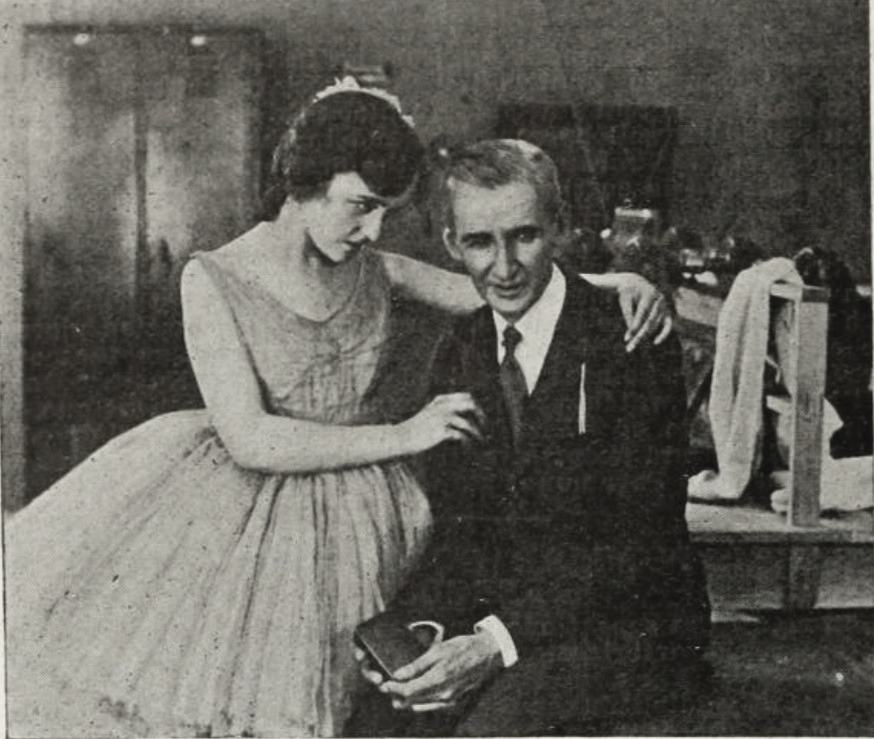
John Lorison, self-exiled to New Orleans, meets Norah Greenway in a cheap restaurant. They soon become friends, but each night, Norah inexplicably leaves John at 8 o'clock at the same corner. One night, Lorison realizes that he is no longer willing to be left on the corner of life alone and, dreading her reaction, he tells Norah that he loves her but that his past is marred by a charge of theft and that he dare not ask an untarnished woman to marry him. Norah eases his mind by disclosing that the crime of theft also lurks in her past. The night of their marriage at Father Rogan's house, Norah asks Lorison to leave her at the corner for one last time. His suspicions aroused, Lorison interrogates the priest who takes him to Norah's home where the new husband is confronted with a little child who tells him that the girl has promised that this is the last night she is going to stay out. These circumstances lead Lorison to believe that his wife is a street walker until the priest takes him to the dressmaking shop in which Norah has been laboring day and night in order to earn enough money so that she might brighten the life of her little brother. Father Rogan then explains that Norah had told a beautiful, desperate lie.
Decades after its release, Blind Man's Holiday remains a vital piece of the cinematic puzzle. Its influence can be seen in countless modern works, solidifying Martin Justice's status as a master of the craft in United States and beyond.