
DbcultAccessing Vault...
Director's Spotlight
Senior Film Conservator
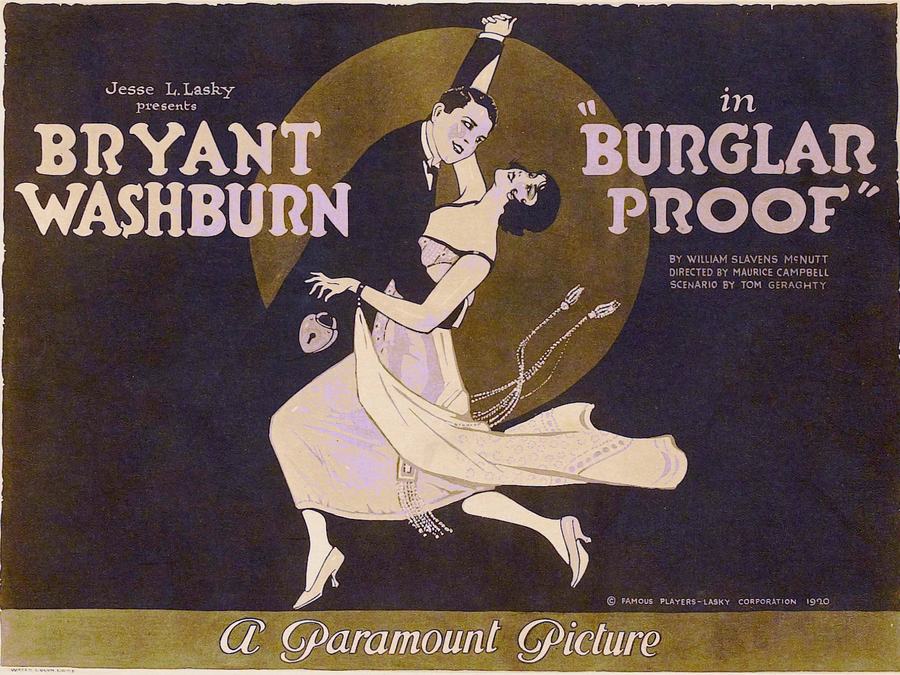
Director's Spotlight: United States
A Deep Dive into the 1920 Vision of Maurice Campbell
Witnessing the stylistic transformation of Comedy through Burglar Proof reveals the provocative questions that Maurice Campbell poses to the United States audience. Exploring the nuances of the human condition with Comedy flair, it showcases the power of Comedy as a tool for social commentary.
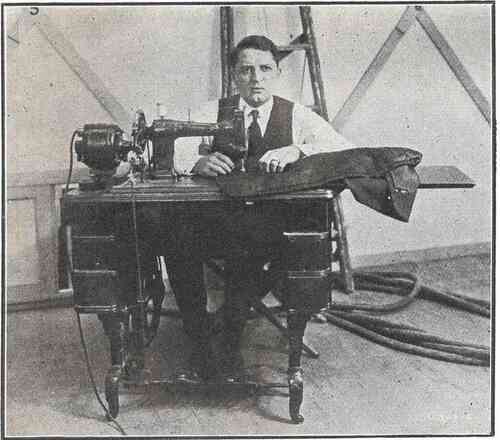
In Burglar Proof, Maurice Campbell pushes the boundaries of conventional narrative. The film's unique approach to its subject matter has sparked endless debates and interpretations among cinephiles and critics alike.
| Cinematography | High-Contrast |
| Soundtrack | Synth-Heavy |
| Editing | Rhythmic |
| Art Direction | Naturalist |
Visualizing the convergence of Maurice Campbell's style and the core Comedy narrative.
When John Harlow loses his sweetheart Jenny Larkin as a result of poverty, he vows never to be broke again and leaves town. He moves to the city, and several years later, after pinching his pennies, he becomes financially successful. One night, while at a dance hall, he runs into Jenny who is now employed as a dance hall hostess. Jenny decides to fleece John and sets him up with Laura, one of her colleagues. Laura is innocent of the scheme, and she and John fall in love. Jenny becomes jealous and attempts to reclaim John by telling him that Laura is having an affair with Richard Crane. John believes her until he discovers that Crane has just married Laura's mother. He proposes to Laura, and she accepts on the condition that he relinquish his spendthrift ways.
Decades after its release, Burglar Proof remains a vital piece of the cinematic puzzle. Its influence can be seen in countless modern works, solidifying Maurice Campbell's status as a master of the craft in United States and beyond.