
DbcultAccessing Vault...
Director's Spotlight
Senior Film Conservator
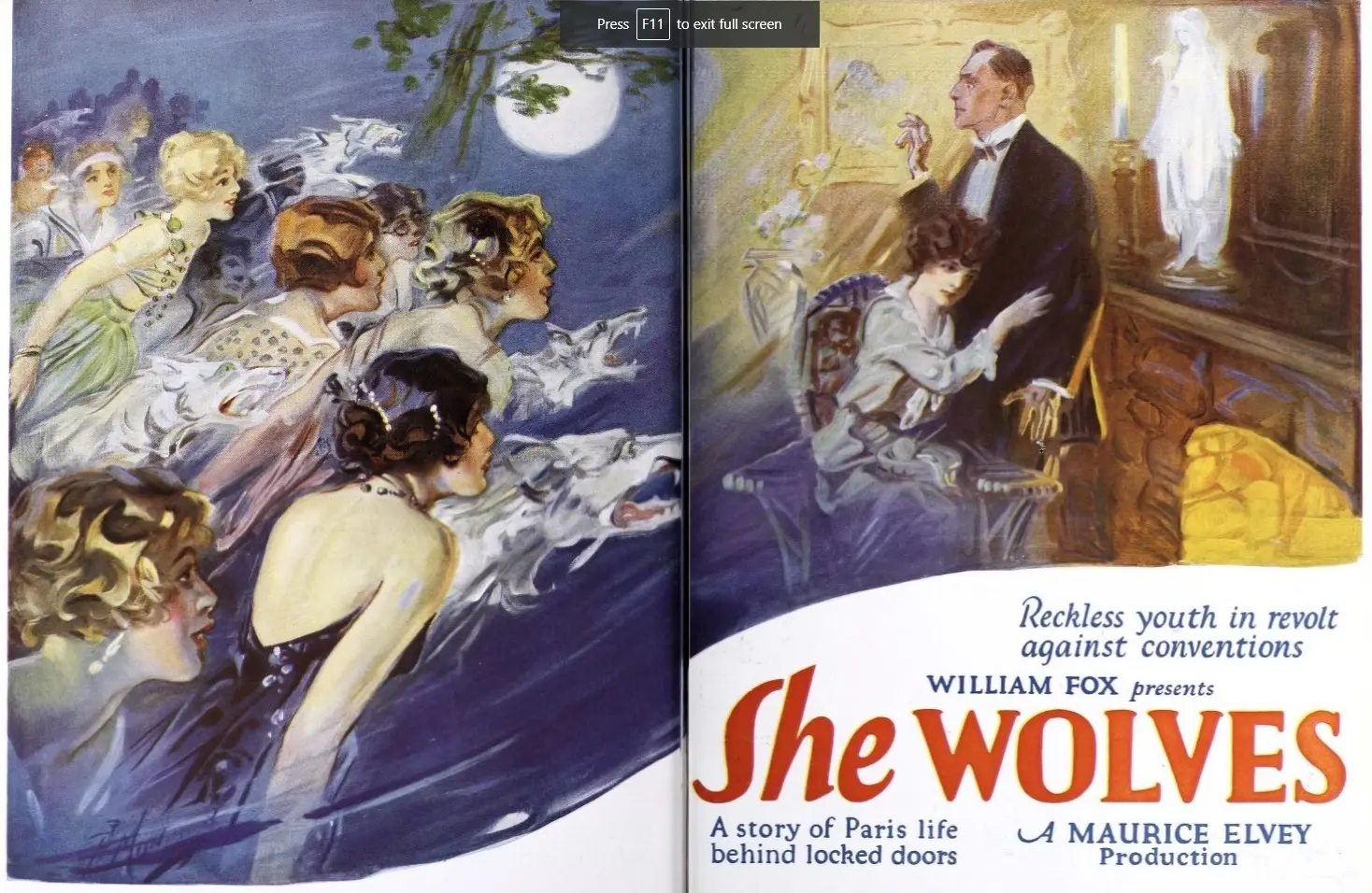
Director's Spotlight: United States
A Deep Dive into the 1925 Vision of Maurice Elvey
Few works in United States cinema carry the same weight as She Wolves, especially regarding the cultural zeitgeist captured so perfectly by Maurice Elvey in 1925. Utilizing a 1925-specific aesthetic that remains timeless, it serves as a blueprint for future generations of Drama directors.
In She Wolves, Maurice Elvey pushes the boundaries of conventional narrative. The film's unique approach to its subject matter has sparked endless debates and interpretations among cinephiles and critics alike.
| Cinematography | High-Contrast |
| Soundtrack | Minimalist |
| Editing | Disjunctive |
| Art Direction | Baroque |
Visualizing the convergence of Maurice Elvey's style and the core Drama narrative.
In France, a romantic young woman named Germaine is shocked and disheartened to discover that, for financial reasons, her parents have arranged a marriage for her with Lucien D'Artois, a wealthy man of rough manners who loves his horses and dogs more than evening clothes. Germaine makes her distaste known to her new husband, and Lucien goes to Paris to make himself over. Before Lucien can return to Germaine, however, she writes him a letter saying they can never be happy together. Lucien becomes despondent and dissipates his entire fortune in reckless living. André Delandal ingratiates himself with Germaine and leads her to falsely believe that Lucien has been unfaithful. Germaine goes to Paris to ask Lucien for her freedom, then discovers that he has become a polished gentleman. She belatedly declares her love for Lucien.
Decades after its release, She Wolves remains a vital piece of the cinematic puzzle. Its influence can be seen in countless modern works, solidifying Maurice Elvey's status as a master of the craft in United States and beyond.