
DbcultAccessing Vault...
Director's Spotlight
Senior Film Conservator
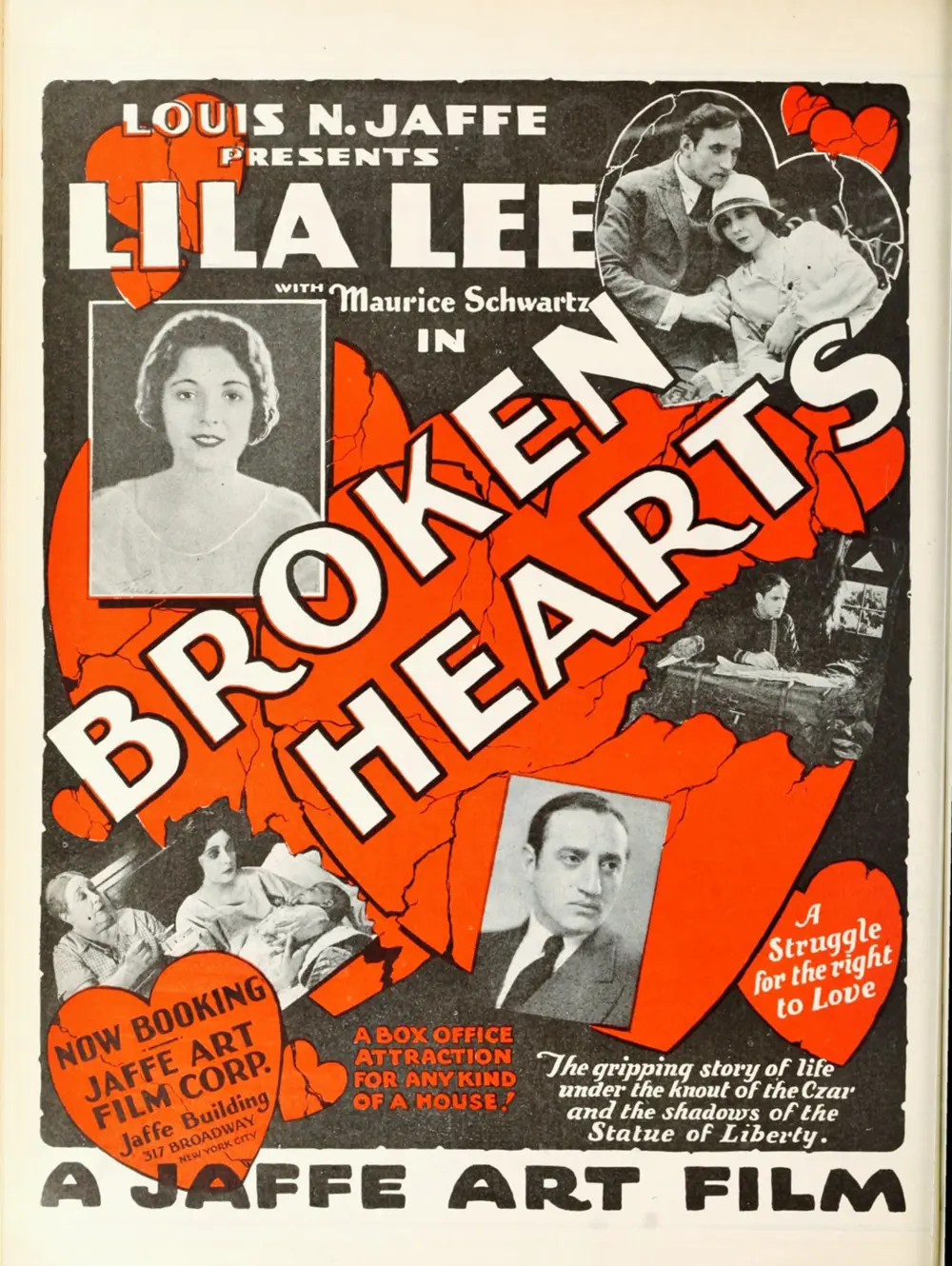
Director's Spotlight: United States
A Deep Dive into the 1926 Vision of Maurice Schwartz
In the grand tapestry of Drama cinema, Broken Hearts serves as a bridge between the bold experimentation that has become synonymous with Maurice Schwartz. Breaking the traditional rules of Drama engagement, it highlights the importance of independent voices in United States.
In Broken Hearts, Maurice Schwartz pushes the boundaries of conventional narrative. The film's unique approach to its subject matter has sparked endless debates and interpretations among cinephiles and critics alike.
While deeply rooted in United States, Broken Hearts has achieved a global reach, influencing directors from various backgrounds. Its ability to translate Drama tropes into a universal cinematic language is why it remains a cult staple decades after its 1926 release.
| Cinematography | High-Contrast |
| Soundtrack | Experimental |
| Editing | Invisible |
| Art Direction | Kitsch |
Visualizing the convergence of Maurice Schwartz's style and the core Drama narrative.
A Jewish writer in Czarist Russia is forced to flee when the government comes after him for his "objectionable" writings. He emigrates to the US, where he settles in New York City's Lower East Side. A friend tells him that his wife, who he was forced to leave behind in Russia, has died. He later marries the daughter of a temple cantor, who will have nothing to do with him. As if that weren't enough, he finds that his "ex" wife is actually still alive and living in Russia. Complications ensue.
Decades after its release, Broken Hearts remains a vital piece of the cinematic puzzle. Its influence can be seen in countless modern works, solidifying Maurice Schwartz's status as a master of the craft in United States and beyond.