
DbcultAccessing Vault...
Director's Spotlight
Senior Film Conservator
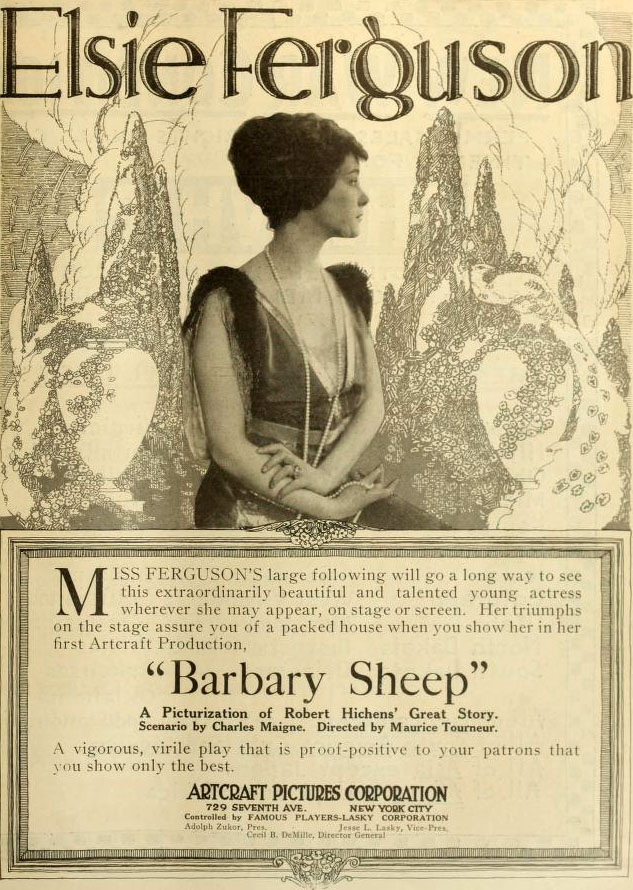
Director's Spotlight: United States
A Deep Dive into the 1917 Vision of Maurice Tourneur
The cult DNA of Barbary Sheep is a reflection of United States's the historical context that Maurice Tourneur weaves into the cult fabric. Challenging the viewer to find meaning in the cult shadows, it transcends regional boundaries to tell a universal story.
In Barbary Sheep, Maurice Tourneur pushes the boundaries of conventional narrative. The film's unique approach to its subject matter has sparked endless debates and interpretations among cinephiles and critics alike.
While deeply rooted in United States, Barbary Sheep has achieved a global reach, influencing directors from various backgrounds. Its ability to translate cult tropes into a universal cinematic language is why it remains a cult staple decades after its 1917 release.
| Cinematography | Handheld |
| Soundtrack | Synth-Heavy |
| Editing | Disjunctive |
| Art Direction | Baroque |
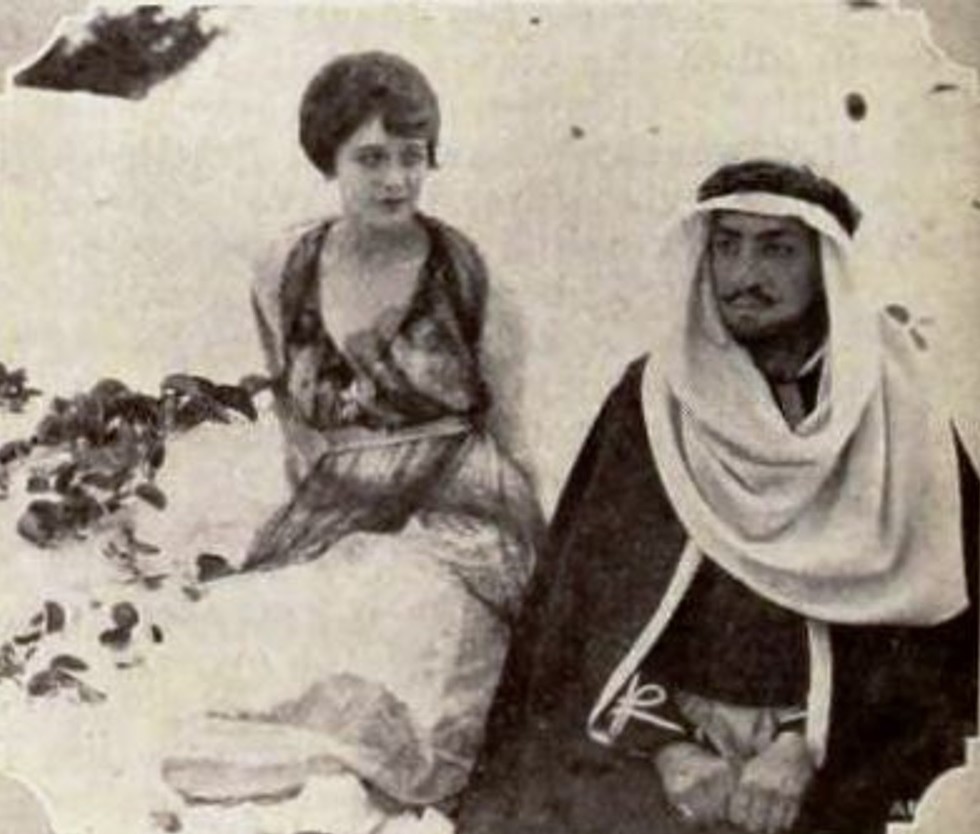
Visualizing the convergence of Maurice Tourneur's style and the core cult narrative.
Arriving with her husband in Arabia, Katherine Wyvrne is ready for romantic times in the exotic Middle East, but her aristocratic husband prefers to be out hunting "Barbara sheep" than fulfilling his wife's desires. She soon meets up with the dashing Arab chief Benchaalai and falls for his charms, but he has a much more sinister goal in mind for her than romance.
Decades after its release, Barbary Sheep remains a vital piece of the cinematic puzzle. Its influence can be seen in countless modern works, solidifying Maurice Tourneur's status as a master of the craft in United States and beyond.