
DbcultAccessing Vault...
Director's Spotlight
Senior Film Conservator
Director's Spotlight: United States
A Deep Dive into the 1917 Vision of Maurice Tourneur
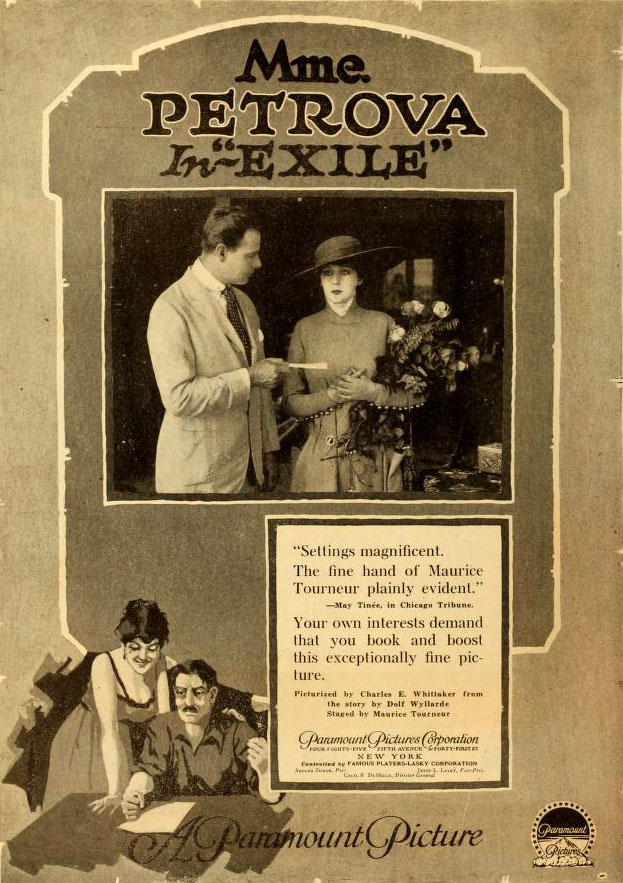
When we examine the cinematic landscape of United States, Exile emerges as a landmark work of the unique directorial voice that Maurice Tourneur brought to the screen. This film stands as a masterclass in visual storytelling, it demands to be seen by anyone who cares about the art of film.
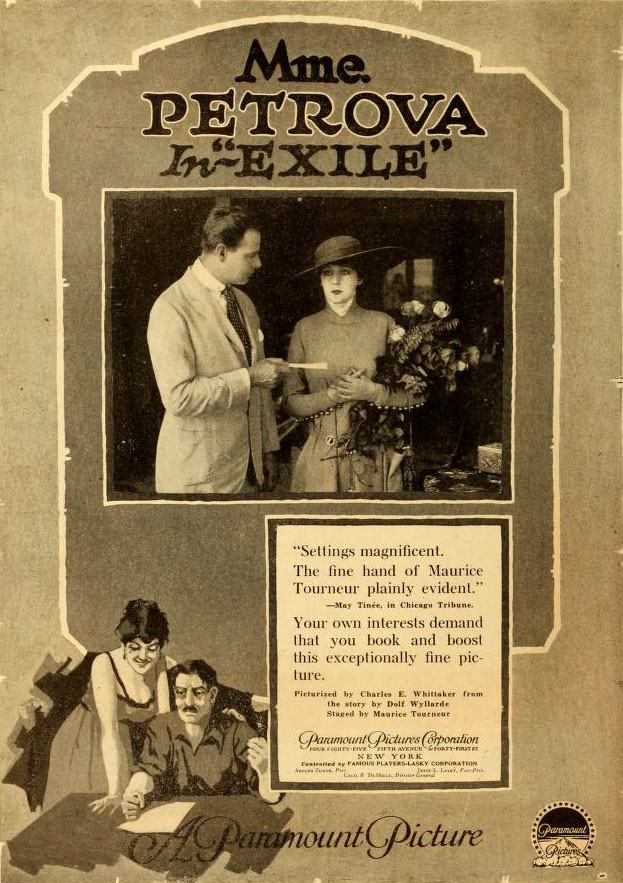
In Exile, Maurice Tourneur pushes the boundaries of conventional narrative. The film's unique approach to its subject matter has sparked endless debates and interpretations among cinephiles and critics alike.
| Cinematography | Deep Focus |
| Soundtrack | Diegetic |
| Editing | Rhythmic |
| Art Direction | Naturalist |
Visualizing the convergence of Maurice Tourneur's style and the core cult narrative.
Vincento Perez, the governor of the Portuguese colony of Exile, is an unscrupulous and brutal man who is hated by the natives. Furthering his schemes, Perez tries to force silk dealers out of business, and reveals his plans to government engineer Richmond Harvey in a letter appealing for the American's help. The engineer threatens to expose the plot and Perez, facing ruin and death, sends his wife Claudia to Harvey to offer herself in exchange for the letter. In Harvey's bungalow, Claudia confesses her love for the American who, refusing to take advantage of the situation, offers her the letter. She returns to her husband, only to meet with humiliation. After much abuse, the natives finally rebel against the governor who is lynched by the mob. Claudia is rescued by Harvey and the two face a happy future together.
Decades after its release, Exile remains a vital piece of the cinematic puzzle. Its influence can be seen in countless modern works, solidifying Maurice Tourneur's status as a master of the craft in United States and beyond.