
DbcultAccessing Vault...
Director's Spotlight
Senior Film Conservator
Director's Spotlight: United States
A Deep Dive into the 1915 Vision of Maurice Tourneur
The brilliance of The Cub (1915) is inseparable from the visionary mind of its creator, Maurice Tourneur. Serving as a mirror to the anxieties of a changing world, it persists as a haunting reminder of our own cinematic history.
In The Cub, Maurice Tourneur pushes the boundaries of conventional narrative. The film's unique approach to its subject matter has sparked endless debates and interpretations among cinephiles and critics alike.
| Cinematography | High-Contrast |
| Soundtrack | Minimalist |
| Editing | Disjunctive |
| Art Direction | Baroque |
Visualizing the convergence of Maurice Tourneur's style and the core cult narrative.
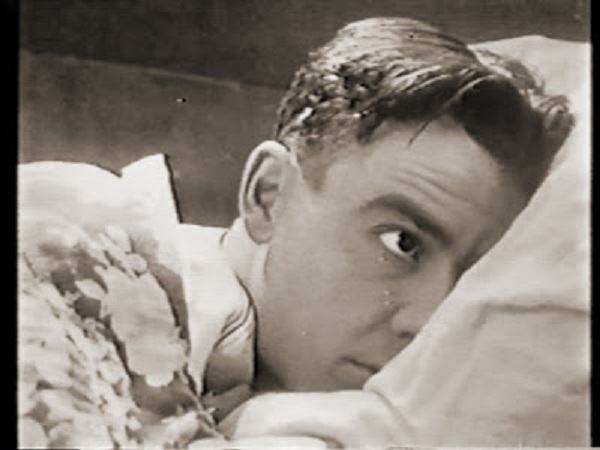
Editor of the Louisville Gazette sends happy-go-lucky cub reporter Steve Oldham to cover a feud in the hills that began when Jim Renlow's pig was caught eating Bill White's turnips. Although Steve tries to remain impartial, he falls in love with schoolteacher Alice Renlow. At a "Truce Dance" given to raise money for Alice's salary, Steve drinks too much and innocently kisses Peggy White, who then tells her relatives that they are engaged. Later, when Steve is seen kissing Alice's hand, the Whites take Steve captive and plan to shoot him at sunrise. Alice pleads with Tilden White, who loves her, to allow Steve to escape, but he agrees only if Steve will leave alone. When Steve refuses, Alice confesses her love. They fight until the house which they are occupying is destroyed and the cavalry, notified by Steve's newspaper, arrives. The two sides are now reconciled as Steve and Alice prepare to marry.
Decades after its release, The Cub remains a vital piece of the cinematic puzzle. Its influence can be seen in countless modern works, solidifying Maurice Tourneur's status as a master of the craft in United States and beyond.